- List of 10 Best Wildlife Reserves in India
- 1. Jim Corbett National Park
- 2. Bandhavgarh National Park
- 3. Ranthambore National Park
- 4. Tadoba Andhari Tiger Reserve
- 5. Kanha National Park
- 6. Pench National Park
- 7. Kaziranga National Park
- 8. Gir National Park
- 9. Sundarbans National Park
- 10. Satpura Tiger Reserve
- 10 Wildlife Sanctuaries in India That Deserve a Spot on Your List : Quick Comparison
- How Adventures Overland Makes These Wildlife Journeys Possible
- Wildlife Safari Dos and Don'ts
- Do
- Don't
- Plan Your Wildlife Expedition
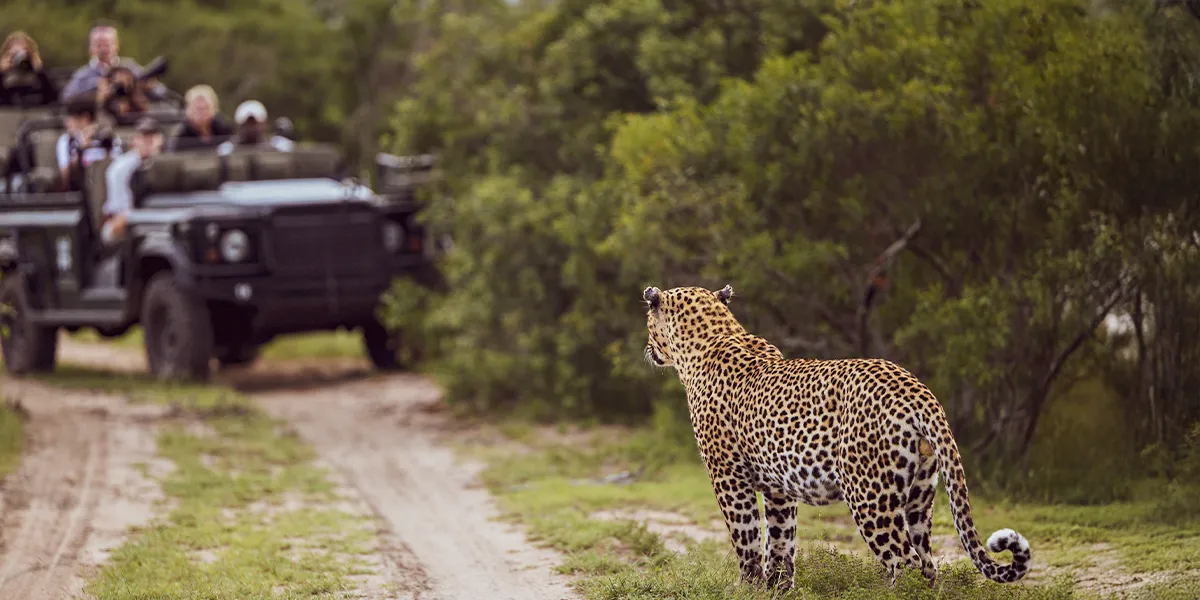
A spotted deer barks somewhere in the sal thicket, the gypsy engine cuts, and forty people across six vehicles stop breathing at the same time. That single sound is what pulls travellers back to the best wildlife safaris in India to experience the authentic forest season.
According to a report by Future Market Insight, "Worth USD 2.8 billion in 2025, India's safari market should reach USD 5.3 billion by 2035." This surge signals a growing appetite for immersive, nature-first travel across India.
Let's learn about the top wildlife sanctuaries where you can experience the best wildlife safaris in India.
List of 10 Best Wildlife Reserves in India
These top ten wildlife sanctuaries cover tigers, Asiatic lions, one-horned rhinos and mangrove creeks, and each is reachable by road from a major city. This blog covers timings, distances, seasons and what actually makes each one different. So if you are planning a vacation, you can think of visiting any one of these top-listed places.
1. Jim Corbett National Park
- Location: Nainital district, Uttarakhand (around 260 km from Delhi)
- Best time to visit: November to June, with Dhikala open from mid-November onwards
- Safari timings: 6:00 to 10:00 AM and 2:00 to 6:00 PM, shifting with sunrise
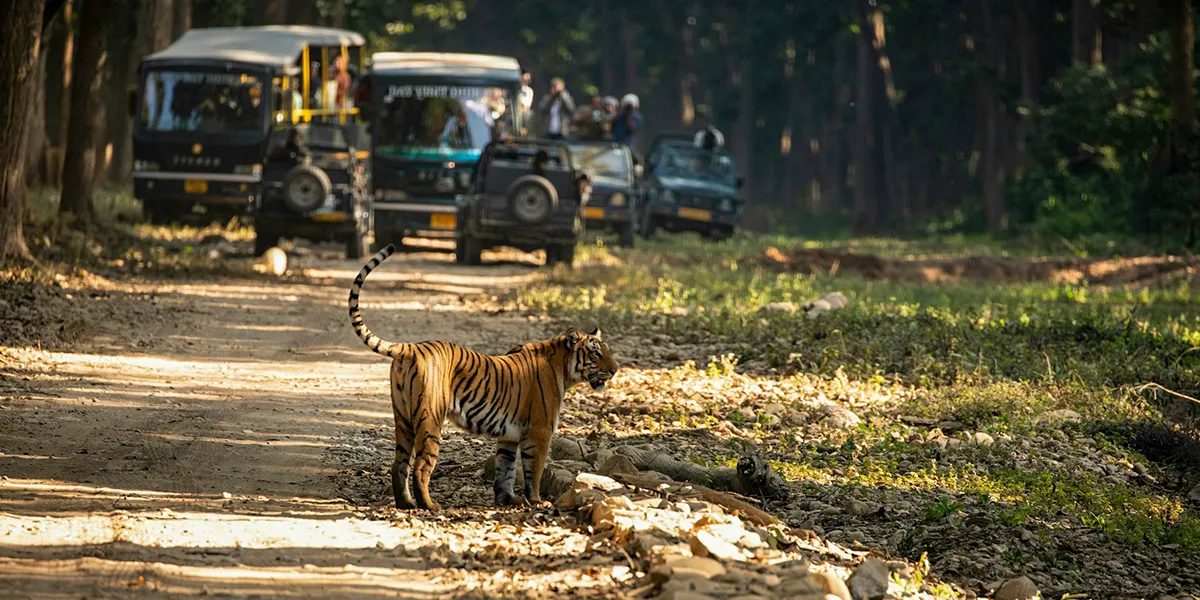
Corbett was declared in 1936, making it the oldest national park in India and the birthplace of Project Tiger in 1973. The drive from Delhi is a comfortable half-day, which is why it has become the default weekend jungle safari trip for North India. Zones matter enormously here. Dhikala grasslands give long sightlines across the Ramganga; Bijrani is dense and dramatic; Jhirna stays open through monsoon. The river inside the park also shelters the critically endangered gharial, one of the few crocodilian species found nowhere else in North Indian rivers. Elephant herds are as common as tigers, and the riverbed itself is worth the trip.
2. Bandhavgarh National Park
- Location: Umaria district, Madhya Pradesh (around 200 km from Jabalpur)
- Best time to visit: October to June, peak sightings April to June
- Safari timings: 6:00 to 11:00 AM and 3:00 to 6:00 PM
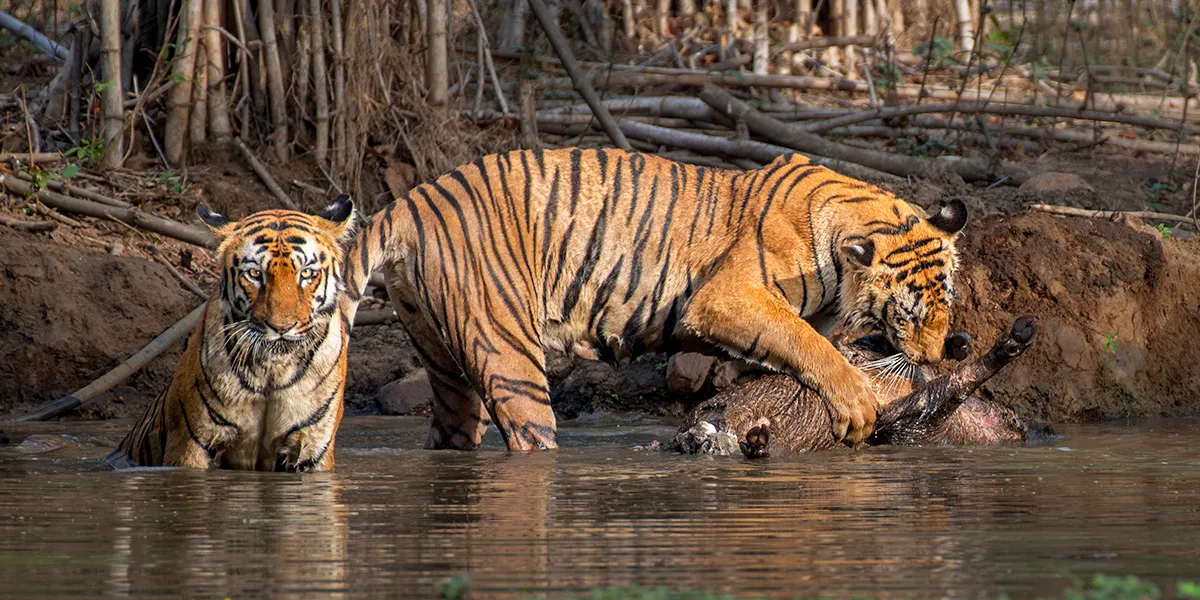
Bandhavgarh holds one of the highest tiger densities recorded in India, which is why it dominates every top 10 safari in India list. The Tala zone concentrates sightings around old waterholes and the 10th-century Bandhavgarh Fort, still standing on the central plateau. The cliffs of Bandhavgarh Fort host nesting colonies of the critically endangered long-billed vulture, a sight almost as rare as the tiger itself. Distances inside the park are short, so a single morning drive can cover multiple territories. Magadhi and Khitauli are quieter alternatives when Tala permits sell out, which they routinely do months ahead.
3. Ranthambore National Park
- Location: Sawai Madhopur, Rajasthan (around 380 km from Delhi, 180 km from Jaipur)
- Best time to visit: October to April
- Safari timings: 6:30 to 10:00 AM and 2:30 to 6:00 PM
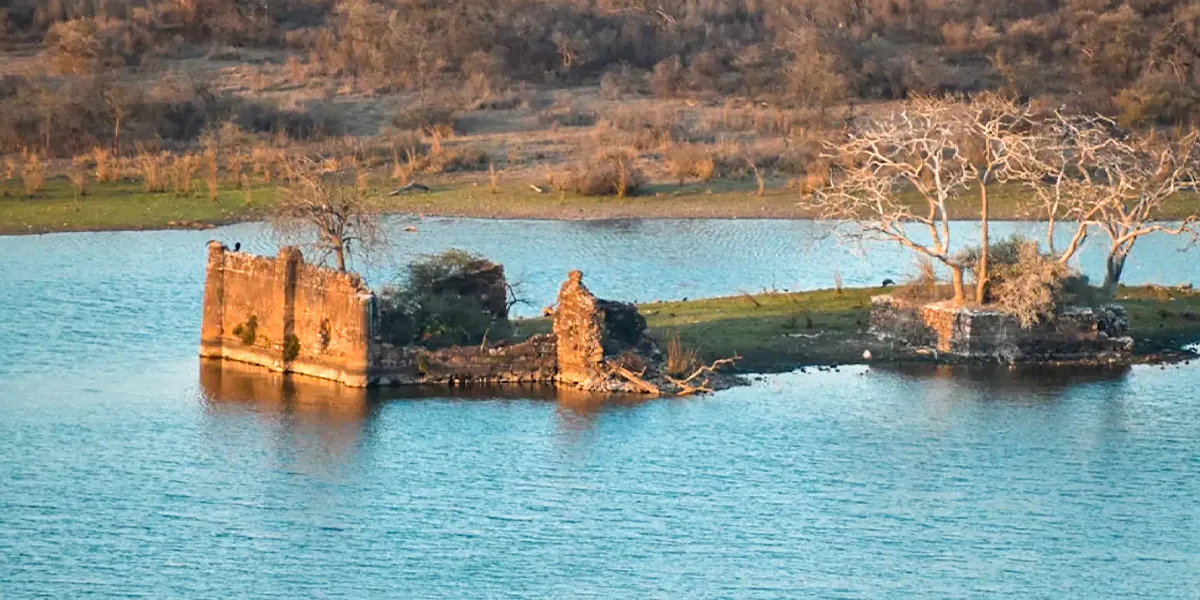
Ranthambore delivers the most photographed wild tiger safari in the country because the terrain works in your favour. Dry deciduous scrub, three lakes and a 10th-century fort mean tigers are often seen in the open rather than behind screens of green. The park's lakes support a healthy population of the vulnerable marsh crocodile, often seen basking within metres of tiger territory. Zones 1 to 5 sit closest to the lakes and carry the strongest reputation. The approach road from Jaipur makes it an easy add-on to a Rajasthan circuit, and Sawai Madhopur is well connected by rail.
4. Tadoba Andhari Tiger Reserve
- Location: Chandrapur district, Maharashtra (around 150 km from Nagpur)
- Best time to visit: February to May
- Safari timings: 6:00 to 10:30 AM and 3:00 to 6:30 PM
Tadoba is the sanctuary trending hardest with Indian travellers right now, and the reason is simple: sighting rates stay strong even through the hottest months when other parks slow down. It is Maharashtra's oldest and largest national park, built around a lake and bamboo thickets. Beyond tigers, Tadoba's forests hold one of central India's more reliable populations of the endangered Indian wild dog, or dhole. Buffer zones here are unusually productive, so permits are easier to secure than in Bandhavgarh. Nagpur's airport sits close enough for a same-day arrival and afternoon drive.
Also Read: Wildlife Safaris: The Dos and Don'ts of Ethical Travel
5. Kanha National Park
- Location: Mandla and Balaghat districts, Madhya Pradesh (around 160 km from Jabalpur)
- Best time to visit: November to June
- Safari timings: 6:00 to 11:00 AM and 3:00 to 6:00 PM
Kanha is the biggest safari park in India among the central Indian reserves, spreading across roughly 940 sq km of core area. Its open maidans, sal forests and meadow systems inspired the setting of Rudyard Kipling's work. Kanha is also a conservation success story: the hard-ground barasingha was brought back from fewer than 70 animals and now survives here alone. This national park remains the last wild stronghold of the hard-ground barasingha, a subspecies found nowhere else on earth. Expect longer internal drives than Bandhavgarh, and landscapes that reward patience over quick ticks.
6. Pench National Park
- Location: Madhya Pradesh and Maharashtra border (around 90 km from Nagpur)
- Best time to visit: November to April
- Safari timings: 6:00 to 11:00 AM and 3:00 to 6:00 PM
Pench works beautifully as a jungle safari tour paired with Kanha or Tadoba, since all three sit within a few hours of each other. Teak forest, the Pench River, and open grassland create an unusually photogenic wildlife safari in India, especially in the low light of early morning. Teak forests here are also home to dhole packs, an endangered species that hunts in tightly coordinated groups rarely seen elsewhere. Birdlife is exceptional, with several hundred species recorded. The Turia gate on the Madhya Pradesh side handles most traffic, while Sillari on the Maharashtra side stays comparatively empty.
7. Kaziranga National Park
- Location: Golaghat and Nagaon districts, Assam (around 200 km from Guwahati)
- Best time to visit: November to April
- Safari timings: 5:30 to 9:30 AM and 1:30 to 4:00 PM
Kaziranga holds around two-thirds of the world's greater one-horned rhinoceros population, a statistic no other park comes close to matching. It is also a UNESCO World Heritage Site with a high tiger density, though the tall elephant grass hides them well. Alongside the rhino, Kaziranga protects the last significant population of the vulnerable Eastern swamp deer, found almost exclusively within its grasslands. The Brahmaputra floods the park annually and rebuilds the grasslands that make the whole system work. The road in from Guwahati runs through tea estates, which makes the approach as memorable as the arrival.
8. Gir National Park
- Location: Junagadh district, Gujarat (around 350 km from Ahmedabad)
- Best time to visit: December to March
- Safari timings: 6:00 to 9:00 AM, 9:00 to 12:00 PM and 3:00 to 6:00 PM
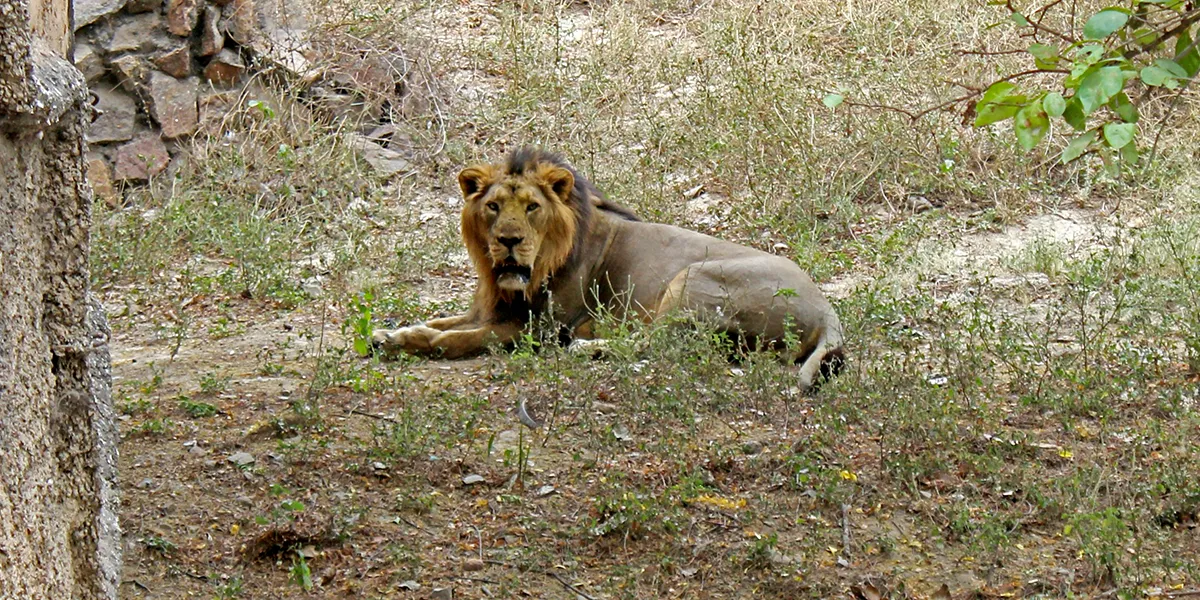
Gir is the only place on earth where the Asiatic lion survives in the wild, which makes it the most genuinely unrepeatable of the best safari places in India. Numbers have climbed steadily from a few dozen animals a century ago to well over 600 across the greater Gir landscape today. Permits are strictly limited and released online in advance. The teak and acacia terrain is drier and more open than central India, and leopards, hyenas and marsh crocodiles are regular sightings. Beyond the Asiatic lion, Gir's scrub forest shelters the elusive rusty-spotted cat, one of the smallest and least-seen wild cats in the world.
9. Sundarbans National Park
- Location: South 24 Parganas, West Bengal (around 110 km from Kolkata)
- Best time to visit: November to February
- Safari timings: Boat cruises typically operate from sunrise to sunset
The Sundarbans is the largest mangrove forest on the planet and the only tiger habitat where the animals swim between islands and hunt in saline creeks. Its tidal creeks are among the last refuges of the critically endangered northern river terrapin, a species now almost extinct in the wild. This is widely called the most dangerous jungle safari in India, and the format reflects it: no gypsies, only boats moving through tidal channels past watchtowers. Sightings are rare and hard-earned. What you get instead is estuarine crocodiles, fishing cats, kingfishers and a landscape that feels like nowhere else in the country.
10. Satpura Tiger Reserve
- Location: Narmadapuram district, Madhya Pradesh (around 210 km from Bhopal)
- Best time to visit: November to April
- Safari timings: 6:30 to 10:30 AM and 3:00 to 6:00 PM
Satpura is the answer for anyone tired of queuing behind gypsies. It is the one major reserve in India that permits walking safaris, canoe rides on the Denwa backwaters and night drives in the buffer. Visitor numbers stay low, so the experience feels closer to genuine wilderness than to a scheduled drive. Gorges, waterfalls and Mahadeo Hills give it a landscape unlike any other famous jungle safari in India, and sloth bear sightings here are among the country's best. Camera traps across Satpura's hills have confirmed the presence of the critically endangered Indian pangolin, among the most trafficked mammals on earth.
10 Wildlife Sanctuaries in India That Deserve a Spot on Your List : Quick Comparison
How Adventures Overland Makes These Wildlife Journeys Possible
Adventures Overland builds the drive into the destination rather than treating it as a formality before the safari.
- On the Rajasthan tour package, the route runs Jaipur to Jodhpur (340 km), Jodhpur to Jaisalmer (280 km) and Pushkar to Ranthambore (260 km), each leg timed and mapped before the Ranthambore safari on Day 11.
- The Northeast India tour package takes the same approach further, with the Kaziranga jeep safari reached via a 165 km drive through open countryside, followed by high-altitude stretches through Sela Pass at 13,700 ft and long interstate legs of up to 320 km in a single day.
Both itineraries include permits, transfers and 24/7 on-ground assistance as standard, alongside guides familiar with the terrain and culture along the route. That support matters most on long, changing roads, where local expertise turns distance into part of the experience rather than an obstacle to it.
Wildlife Safari Dos and Don'ts
Respecting animals and their natural habitats is the first step toward an ethical wildlife safari. These crucial dos and don'ts can help you have a safe, moral, and fulfilling safari whether you're visiting India's national parks or organizing a global wildlife adventure.
Do
- Wear neutral tones like beige, green or khaki to blend into the surroundings
- Keep noise to a minimum, especially near waterholes and denning areas
- Carry binoculars and a zoom lens for safer, distant viewing
- Book permits well in advance for high-demand zones like Tala or Zones 1–5
- Follow your guide's instructions at all times, including where to point cameras or flashlights
- Carry sufficient water, sunscreen and a light jacket for early morning drives
Don't
- Wear bright colours or strong perfumes that can alert or disturb wildlife
- Feed animals or attempt to lure them closer for a better photo
- Litter inside the park, including food wrappers and plastic bottles
- Use flash photography around nocturnal or sensitive species
- Step out of the vehicle unless explicitly permitted by the forest guide
- Play loud music or use speakerphones during the safari
Plan Your Wildlife Expedition
A great wildlife sighting is only half the story. Getting there, through forts and desert highways, tea estates and mountain passes, is what turns a safari into an expedition. Adventures Overland builds that journey into every itinerary, pairing long, scenic drives with the reserves and parks that make experiencing the wildlife worth chasing.
Every route is mapped, every permit handled, and every stop supported around the clock, so the road stays part of the adventure rather than a gap between destinations. If India's wildlife has been on your list, AO Experience can help you see it properly.
Frequently Asked Questions

Written by
Riya Chauhan
Senior Content Writer
Riya is a content writer and marketing enthusiast with 4+ years of experience turning research, trends and ideas into engaging digital stories. With a background in Marketing Management and International Business, she blends SEO, creative storytelling and audience insights across lifestyle, travel, business and brand content. She has created content for brands including Glen India, Jamboree India, Zupee, Trimurti Products, Little Rituals, Bennett University, and Manipal university. A curious traveller at heart, she loves discovering new places, cultures and experiences, and finding the story in each one.