- Two Records, One Friendship
- The Route: Six Continents, One Car
- Lesson 1: You Will Never Have Enough Money. Go Anyway.
- Lesson 2: Put the GPS Away and Ask for Directions
- Lesson 3: India Travels With You
- Lesson 4: The Ends of the Earth Are Closer Than You Think
- Lesson 5: Records Are Made to Be Broken
- Lesson 6: A Great Journey Should Make Room for Others
- From Trip to Screen and Page
- Thirteen Years On
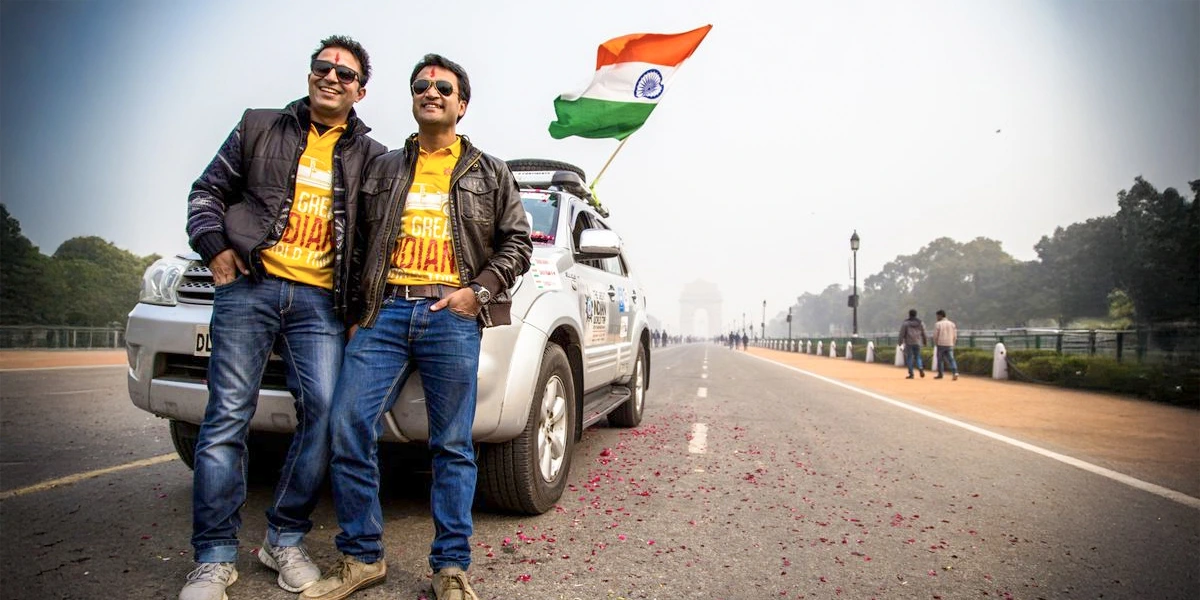
On 22 September 2013, a Toyota Fortuner rolled away from India Gate in New Delhi. Inside were two friends, Sanjay Madan and Tushar Agarwal. Ahead of them lay a journey through every possible terrain across 50 countries.
Thirteen years later to the day, that journey is still the foundation of everything Adventures Overland does. It became a Guinness World Record, a book, a television series, and eventually a company that takes thousands of Indians onto the roads of the world. It also taught our founders a handful of lessons that no map could.
This is the story of the Great Indian World Trip, and what 90,000 kilometres left behind.
Two Records, One Friendship
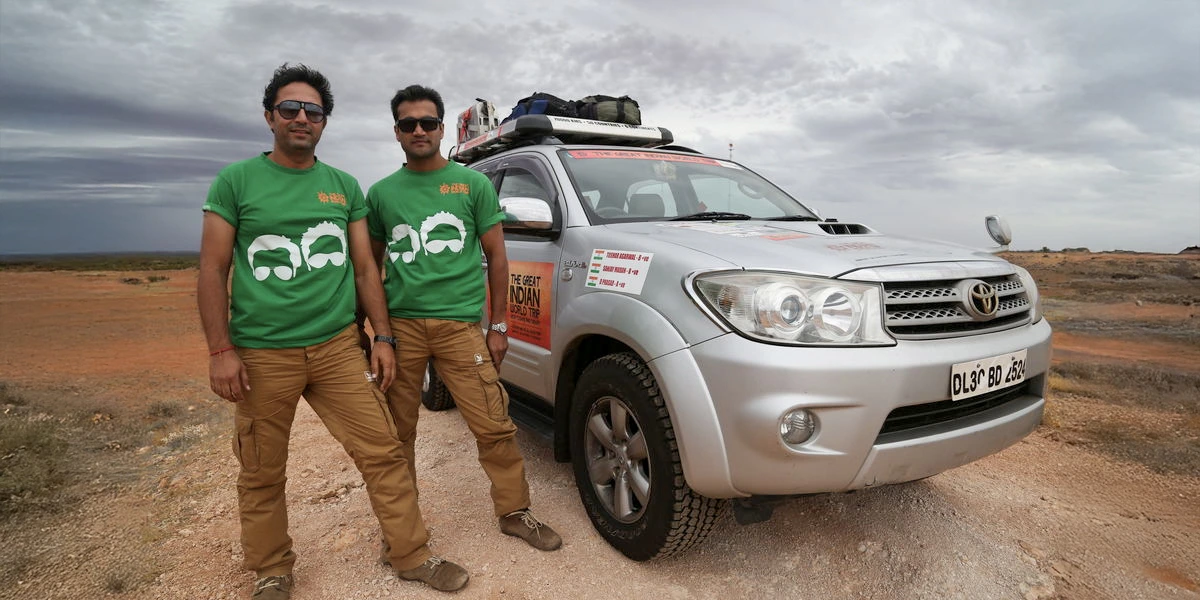
The trip began long before 2013, with two separate adventures.
In 2010, Tushar Agarwal, a software engineer, drove from London to Delhi. He said the 51-day journey was life-changing and prompted him to resign from his job in London, move back to Delhi, and co-found Adventures Overland with Sanjay Madan in 2012.
Sanjay had his own story. A chance meeting brought them together after both featured in the Limca Book of Records: Madan for driving a Tata Nano to Khardung La Pass, one of the highest motorable roads in the world, and Agarwal for driving from London to Delhi. Madan had given up a successful business in medicine to partner with Agarwal.
They got along instantly. The next logical question was a slightly absurd one: if you can drive from London to Delhi, why not drive around the entire world?
The Route: Six Continents, One Car
The journey was split into six legs for the six continents, and the pair described it as "The Mother of all Road Trips".
Asia. The journey started from India Gate, crossed the Indian border and ran through Myanmar, which until only a few years earlier had been closed to tourists. From there it went through Thailand and Malaysia before the Asia leg ended in Singapore.
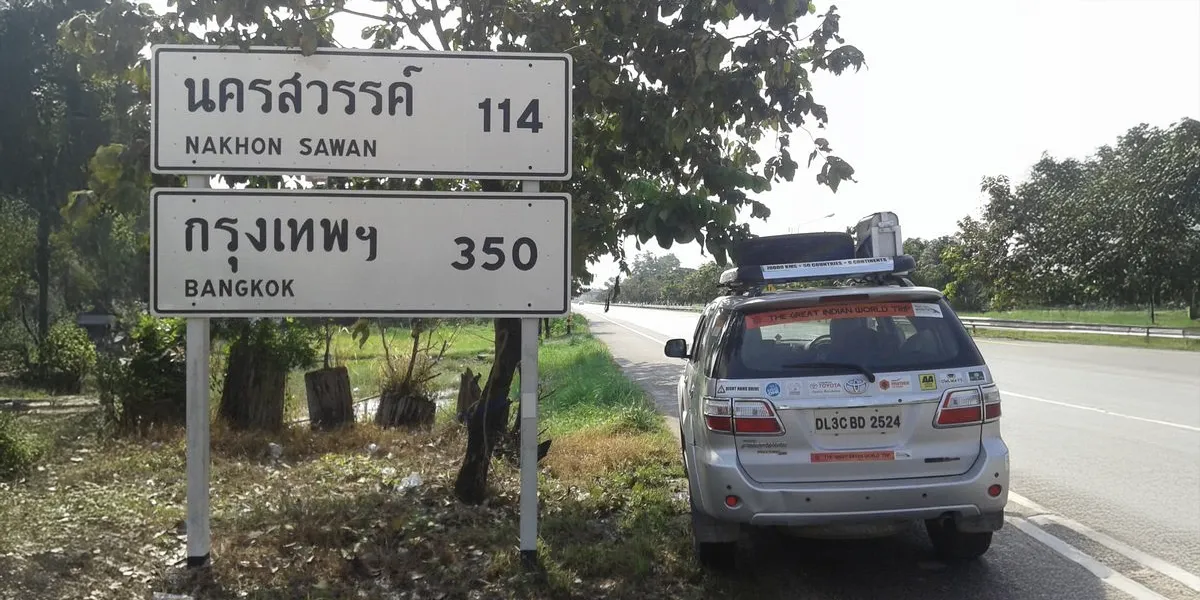
Australia. The car was shipped to Australia, where they drove more than 17,000 km across the continent and set a Guinness World Record along the way.
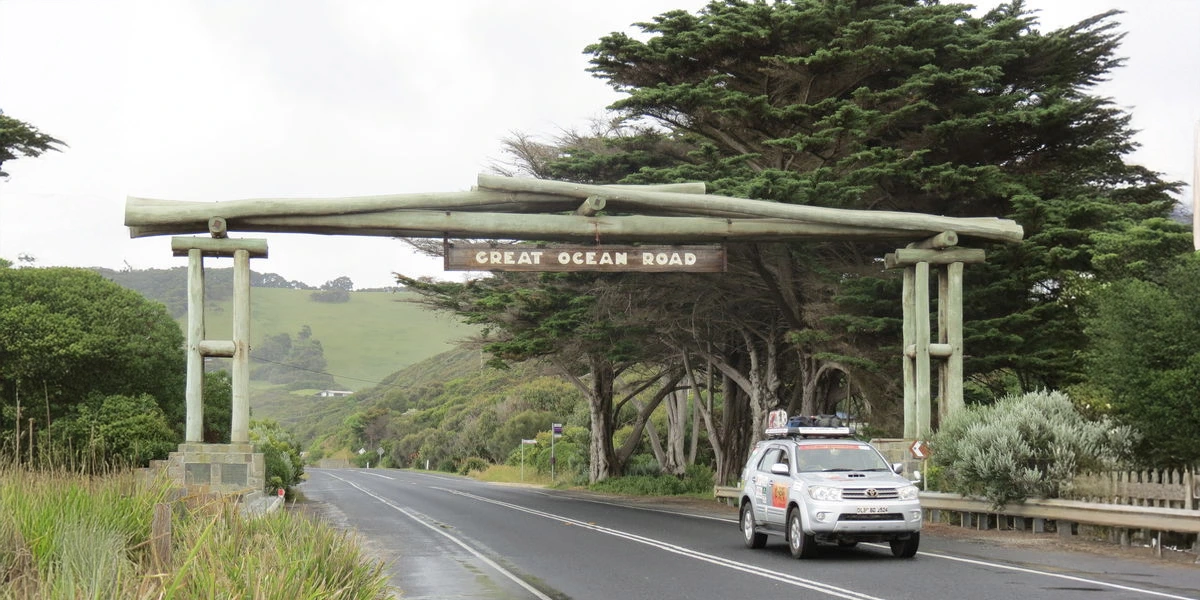
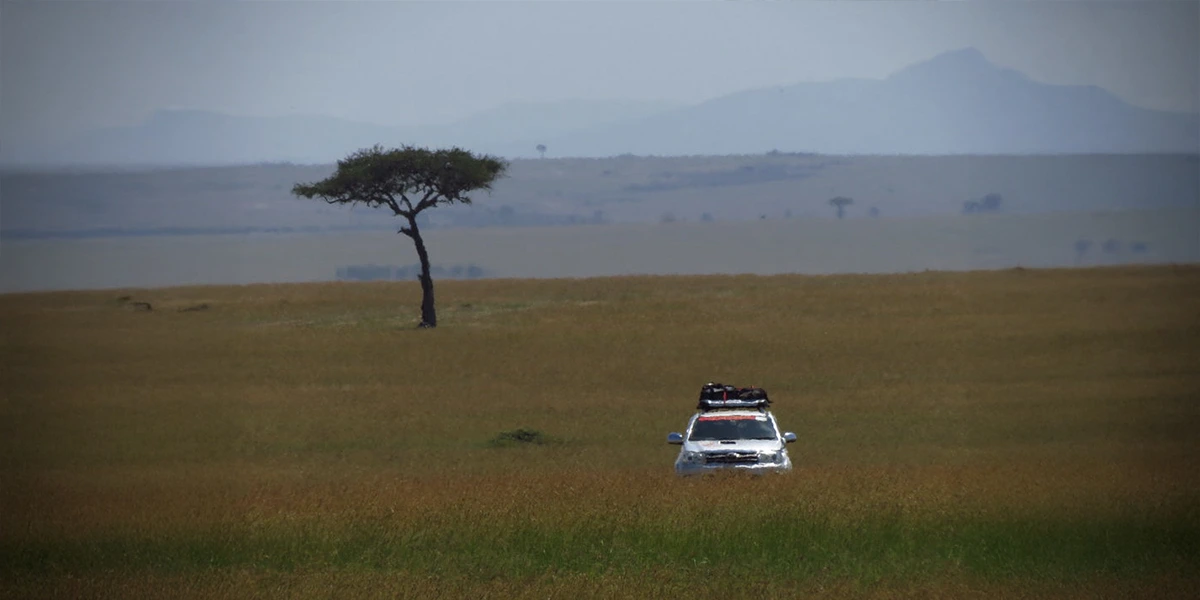
Africa. The car was shipped from Australia to Mombasa, Kenya, and driven all the way to South Africa through Tanzania, Malawi, Zambia and Zimbabwe. The African leg ended at Cape Agulhas, the southernmost tip of the continent.
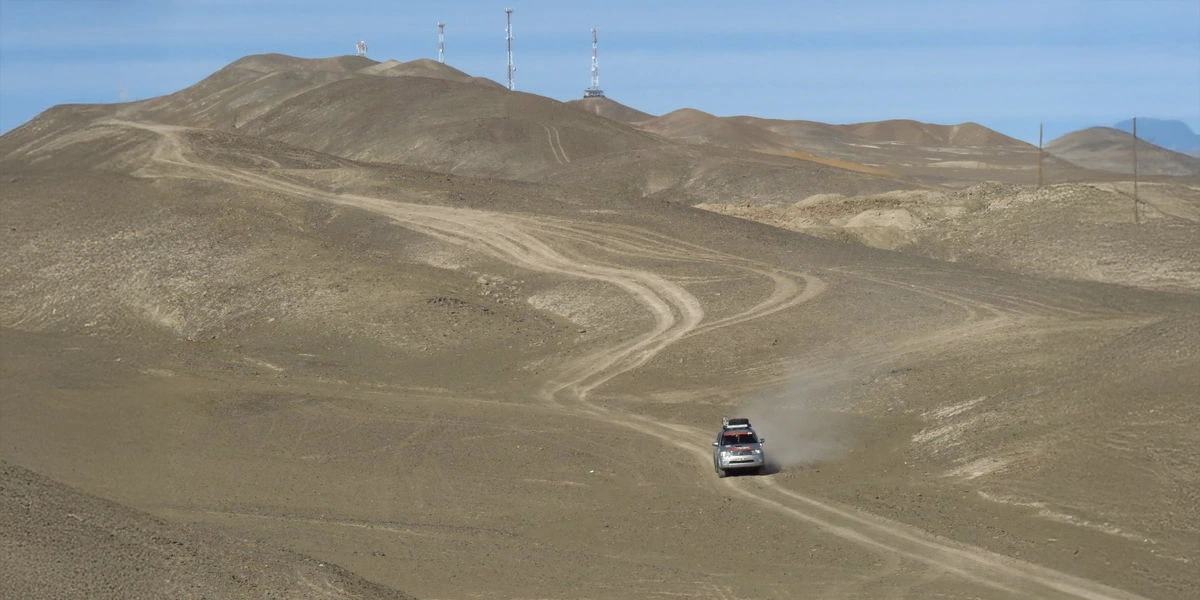
South America. From Buenos Aires, they drove to Ushuaia, the southernmost city in the world, then took the Pan-American Highway all the way up to Mexico through twelve countries, including Bolivia's Death Road, rated the world's most dangerous road.
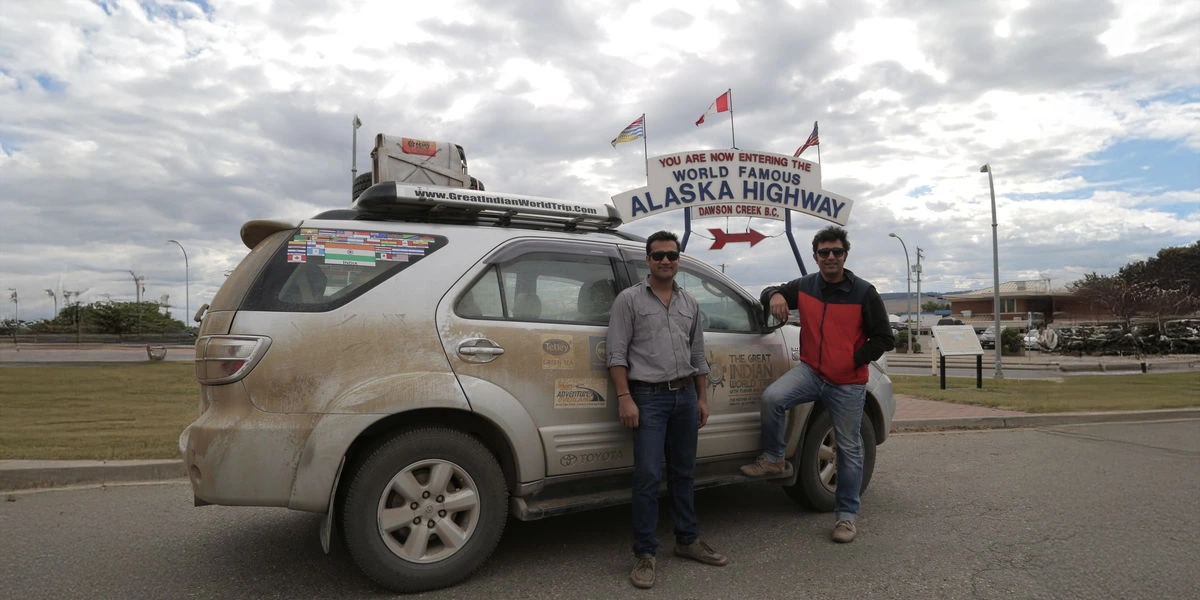
North America. They crossed into the United States and drove through 18 states, including the Grand Canyon, Mount Rushmore and Yellowstone, and on through Canada to Deadhorse at the northernmost tip of Alaska, where the Northern Lights greeted them. The leg ended in New York.
Europe. From New York, the car was shipped to the UK and driven up to John O'Groats, then south to London and across the English Channel. They covered 23 countries in Western and Eastern Europe before reaching Turkey, the 50th country of the 15-month journey.

The trip ended in December 2014, with a final drive from Mumbai to Delhi that finished where it started, at India Gate.
Here's what the road taught them.
Lesson 1: You Will Never Have Enough Money. Go Anyway.
Most dream trips die in the planning stage, waiting for the perfect moment, the perfect budget, the perfect sponsor. The Great Indian World Trip nearly did too.
Tushar and Sanjay spent two years planning the journey, and even after failing to secure enough money, they still decided to go ahead. What happened next surprised even them. Help kept coming along the way, and bit by bit they continued progressing.
The lesson isn't to be reckless. It's that the road has a way of meeting you halfway once you commit. Two years of planning gave them the preparation. Starting anyway gave them the journey.
Lesson 2: Put the GPS Away and Ask for Directions
In 2013, satellite navigation was already everywhere. The founders chose not to use it.
They insisted on doing it the old-fashioned way: reading road maps and signs, and rolling down the window to ask for directions. Madan explained that they skipped GPS because they wanted to interact with more people and open themselves to more local experiences.
Every wrong turn became a conversation. Every conversation became a story. It's a philosophy that still shapes how AO journeys are designed: the destination matters, but the people you meet getting there matter just as much.
Lesson 3: India Travels With You
The trip was never only about kilometres. Tushar and Sanjay wanted to document the lives of Indians settled in different parts of the world, and see how they keep India alive despite being away from home. The journey also set out to spread awareness for a Delhi-based old age home and call on the Indian diaspora to support the cause.
From Australia to Africa to the Americas, they found Indian families who welcomed two strangers from home with food, shelter and stories. It's one of the quieter truths of long-distance travel: the further you go from India, the more clearly you see what it means to be Indian.
Lesson 4: The Ends of the Earth Are Closer Than You Think
Few journeys can claim both poles of the Americas. They drove from Ushuaia, the southernmost city in the world in Argentina, to Deadhorse, the northernmost point of Alaska.
Places like Cape Agulhas, Ushuaia, Deadhorse and John O'Groats sound like the edges of the map. On the trip, they turned out to be reachable points on a road, each one a few thousand kilometres from the last. Once you've driven to the end of the world, very few journeys feel impossible.
Lesson 5: Records Are Made to Be Broken
In Australia, the pair set a Guinness World Record for the longest journey in a single country: 17,107 km across Australia in 28 days.
Records don't last forever, and this one didn't either. Today, according to Guinness World Records, the longest journey by car in a single country is 69,207 km, achieved by Manikkuttan G S of India from 13 August to 19 November 2023.
There's something fitting in that. A record set by two Indians abroad was eventually overtaken by another Indian driving his own country. The point was never the title. It was showing that Indians could do this at all, and inspiring the next person to go further.
Lesson 6: A Great Journey Should Make Room for Others
After 15 months on the road, the founders came home with a new question. As Tushar later said, the extraordinary trip opened up their minds, and they decided to start taking people with them all around the world by road.
It started small. Their first cross-border trip with travellers was a road trip to Bangkok in 2016. It received good reviews, so they set their sights on London. In 2017, the first Road to London expedition set out with 27 people and 13 cars from across the country.
Today, Adventures Overland has guided 5,000+ travellers across 50+ countries, with convoys like Road to London, Bus to London, and Around the World in 80 Days. The route the founders once drove alone has become a road thousands of others have followed.
From Trip to Screen and Page
The journey lived on beyond the road. It became The Great Indian World Trip, a 10-episode travel show that aired on TLC and Discovery Science & Turbo. Tushar also wrote a book of the same name, alongside his earlier travelogue Road Affair, which covers his 2010 drive from London to Delhi, the 5,500 km non-stop Trans Himalayan Challenge, the drive to Mana Pass, and the ASEAN India Car Rally from Singapore to India.
Thirteen Years On
It's tempting to see the Great Indian World Trip as a finished story: a record, a TV show, a book on the shelf. But the most important thing it produced wasn't any of those. It was a way of travelling, built on preparation, curiosity, people and the patience to let the road surprise you.
Every Adventures Overland convoy that crosses a border today carries a little of that first Fortuner with it.
Where will your road begin?
Frequently Asked Questions
Written by
Damini Sharma
Damini has travelled the world solo, sometimes for work, primarily for self‑discovery, and now she explores full‑time! She enjoys slow, mindful travel & immerses herself in any country she visits. Working for AO, she transforms itineraries into adventures and destinations into dreams. Having explored the UAE, Indonesia, the Northeast, the Andaman Islands, and beyond, Damini writes from lived experience—capturing the sights, sounds, and soul of each journey. Whether drafting court‑worthy briefs or breathtaking travel blogs, Damini crafts experiences that invite readers to step into memory, embrace wonder, and discover deeper human connections.