- Understanding Fiordland: The Wild Heart of the South Island
- Why a Milford Sound Tour Is Unmissable
- The Journey There: A New Zealand Road Trip Highlight
- Things to Do in Milford Sound
- Best Time to Visit Milford Sound Explained Properly
- Why Milford Sound Defines the New Zealand Fjord Experience?
- Final Thoughts
There are landscapes that impress you, and then there are landscapes that recalibrate your sense of scale. A Milford Sound tour belongs firmly in the latter category. Tucked within the vast wilderness of Fiordland National Park on New Zealand’s South Island, Milford Sound is not merely a scenic stop on a New Zealand road trip. It is a defining moment of the journey.
Towering granite walls rise almost vertically from ink-dark water. Waterfalls tumble from heights that defy measurement. Mist drapes the peaks like theatre curtains, revealing and concealing drama in equal measure. And through it all, silence. Deep, ancient, elemental silence.
This blog explains the full New Zealand fjord experience, from geography and wildlife to cruises, hiking trails, driving routes, and the best time to visit Milford Sound.
Understanding Fiordland: The Wild Heart of the South Island
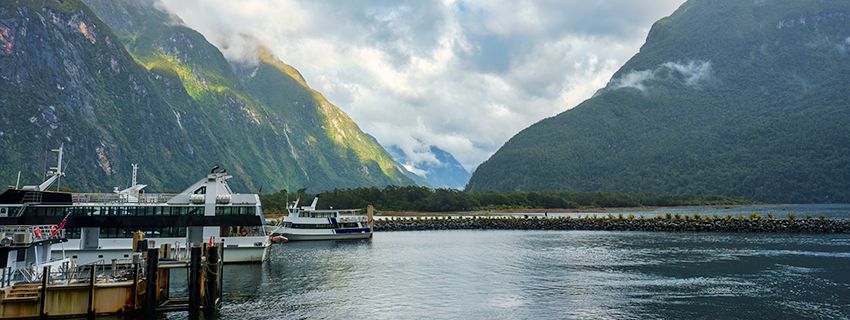
Fiordland National Park is New Zealand’s largest national park, covering over 12,000 square kilometres of protected wilderness. It forms part of the Te Wāhipounamu UNESCO World Heritage Area and contains 15 dramatic fjords carved by glaciers during the last Ice Age.
Despite being called a “sound,” Milford Sound is technically a fjord. A sound is formed by river valleys flooding, while a fjord is carved by glacial movement. In Milford’s case, massive glaciers sculpted deep U-shaped valleys that later filled with seawater, creating sheer cliffs and extraordinary depth.
Rudyard Kipling once called it the “eighth wonder of the world,” and even today, that title feels understated.
Why a Milford Sound Tour Is Unmissable
A Milford Sound tour offers far more than postcard views. It immerses you in a living geological masterpiece.
1. Mitre Peak
Mitre Peak rises nearly 1,700 metres straight out of the fjord, making it one of the tallest mountains in the world to ascend directly from sea level. Its sharp summit dominates every photograph, but in person, its presence feels almost mythic.
2. Permanent & Temporary Waterfalls
Bowen Falls and Stirling Falls flow year-round. After heavy rainfall, hundreds of temporary waterfalls appear, streaming down vertical rock faces in shimmering ribbons. Rain here is not an inconvenience. It is part of the spectacle.
3. Unique Marine Ecosystem
Milford Sound’s waters contain a fascinating layering effect. Freshwater, stained dark by forest tannins, sits atop denser seawater. This creates low-light conditions beneath the surface, allowing rare black coral and deep-sea species to exist unusually close to the surface.
The Journey There: A New Zealand Road Trip Highlight
A New Zealand road trip to Milford Sound is half the magic. The drive from Te Anau along State Highway 94, known as the Milford Road, is often ranked among the world's most scenic drives. The route passes:
- Mirror Lakes reflecting snow-dusted peaks
- The vast Eglinton Valley
- Ancient beech forests
- The dramatic Homer Tunnel
- Avalanche-prone alpine terrain
Each turn feels cinematic. Each valley opens like a revelation. If you’re crafting a South Island itinerary, this stretch alone defines the classic New Zealand fjord experience.
Things to Do in Milford Sound
There are many unforgettable things to do in Milford Sound, depending on your travel style and the time you have.
1. Cruise the Fjord
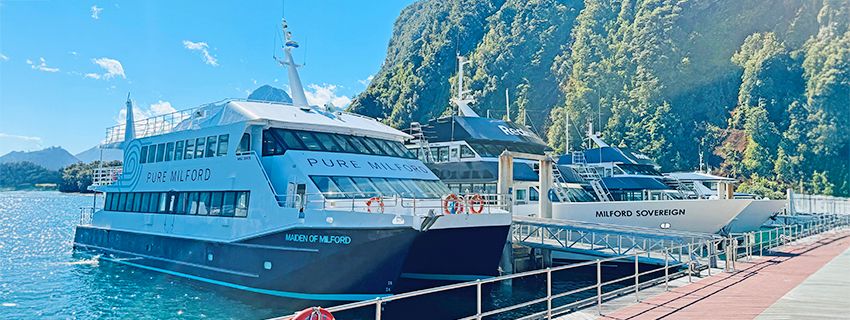
The most popular way to experience Milford is by boat. Cruises typically last 1.5 to 2 hours and sail the full length of the fjord to the Tasman Sea.
Expect
- Close encounters with waterfalls
- New Zealand fur seals lounging on rocks
- Bottlenose dolphins surfing boat wakes
- Sheer granite cliffs towering overhead
An overnight cruise offers a quieter, more immersive experience, including kayaking and stargazing.
2. Kayaking
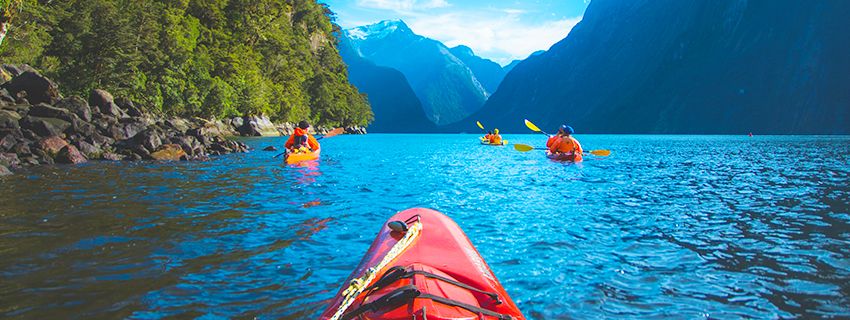
For a slower and more intimate experience, kayaking places you at water level beneath cathedral-like cliffs. Early morning paddles are particularly magical when the water mirrors the peaks perfectly.
3. Scenic Flights
Small aircraft flights from Queenstown or Te Anau reveal the immense scale of Fiordland’s glacier-carved valleys. From above, the fjords look like deep cracks carved into the earth by giants.
4. Hiking & Short Walks
While the famous Milford Track is a multi-day trek, there are shorter walks suitable for most travellers:
- Milford Foreshore Walk
- Key Summit Track
- Lake Marian Track
These trails offer forest immersion and alpine views without requiring extended time.
Wildlife Encounters
Milford Sound is alive.
You may see:
- New Zealand fur seals
- Bottlenose dolphins
- Fiordland crested penguins (rare and seasonal)
- Native birds such as kea and tūī
The combination of marine and rainforest ecosystems creates remarkable biodiversity within a compact region.
Best Time to Visit Milford Sound Explained Properly
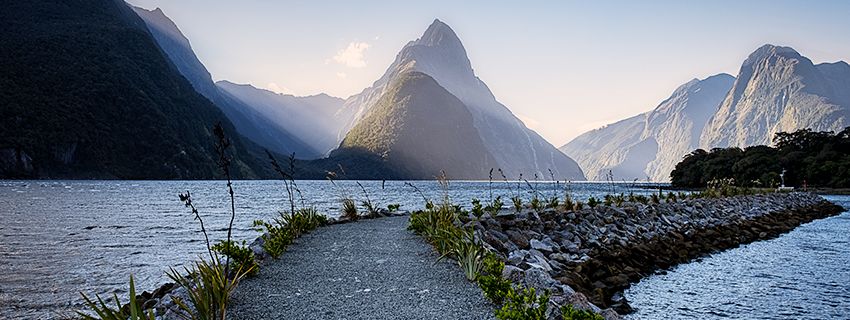
Choosing the best time to visit Milford Sound depends on what kind of experience you want. Each season reshapes the fjord’s personality.4
Summer (December to February)
- Warmest temperatures
- Long daylight hours
- Ideal for hiking and kayaking
- Peak visitor numbers
Summer offers stability and accessibility. Trails are dry, cruises run frequently, and road conditions are reliable. However, this is the busiest season, and booking a Milford Sound tour in advance is essential. If you want blue skies and comfortable temperatures for a broader New Zealand road trip, summer is excellent.
Autumn (March to May)
- Cooler, crisp air
- Fewer crowds
- Golden forest tones|
- Stable weather windows
Autumn strikes a beautiful balance between accessibility and tranquillity. The light becomes softer, reflections sharper, and visitor numbers drop noticeably. For photographers and those wanting quieter cruises, this is arguably one of the best seasons.
Winter (June to August)
- Snow-capped peaks
- Dramatic alpine scenery
- Fewer tourists
- Shorter daylight hours
Winter transforms Milford into something cinematic. Snow dusts the surrounding peaks, creating a dramatic contrast against dark waters.
Wildlife sightings, particularly dolphins and seals, can be more frequent. However, road conditions may be icy, and the Milford Road can temporarily close after heavy snow. If you are comfortable driving in alpine conditions, winter delivers extraordinary solitude.
For many seasoned travellers, winter provides the purest New Zealand fjord experience.
Spring (September to November)
- Melting snow
- Powerful waterfalls
- Increasing daylight
- Moderate visitor numbers
Spring might be the most dynamic season. Snowmelt feeds waterfalls at full strength, making this the best time to witness cascading torrents pouring off cliffs.
Road conditions have improved since winter, and the landscape feels fresh and vibrant. For those prioritising waterfalls and manageable crowds, spring is exceptional.
What Is Truly the Best Time?
There is no single correct answer.
- For hiking and warm weather: Summer
- For fewer crowds and soft light: Autumn
- For snow-draped drama: Winter
- For roaring waterfalls: Spring
Milford Sound receives rainfall year-round, and that rain is what makes it spectacular. In fact, many visitors say the fjord looks most magical in wet conditions when waterfalls multiply.
Responsible Travel in Fiordland
With nearly a million annual visitors, conservation is critical. Visitors are encouraged to:
- Stay on marked trails
- Respect wildlife distances
- Avoid littering
- Minimise vehicle emissions where possible
Fiordland’s fragile ecosystem thrives when travellers move thoughtfully.
Why Milford Sound Defines the New Zealand Fjord Experience?
New Zealand is known for dramatic landscapes, but Milford Sound condenses everything extraordinary into one place:
- Glacial geology
- Marine biodiversity
- Alpine terrain
- Ancient rainforest
- Powerful weather systems
Few destinations combine so many natural forces so seamlessly. A Milford Sound tour is not simply about ticking off a famous landmark. It is about feeling small in the best possible way.
Final Thoughts
Milford Sound is not just a scenic stop. It is an encounter with deep time, with geological force, with the raw mechanics of nature.
On a broader New Zealand road trip, it becomes the chapter you remember most vividly.
The mountains do not whisper here. They stand. The water does not sparkle politely. It breathes. And somewhere between the mist and the cliffs, the scale of the natural world rearranges your perspective.
That is the true Milford Sound experience.
Written by
Damini Sharma
Damini has travelled the world solo, sometimes for work, primarily for self‑discovery, and now she explores full‑time! She enjoys slow, mindful travel & immerses herself in any country she visits. Working for AO, she transforms itineraries into adventures and destinations into dreams. Having explored the UAE, Indonesia, the Northeast, the Andaman Islands, and beyond, Damini writes from lived experience—capturing the sights, sounds, and soul of each journey. Whether drafting court‑worthy briefs or breathtaking travel blogs, Damini crafts experiences that invite readers to step into memory, embrace wonder, and discover deeper human connections.