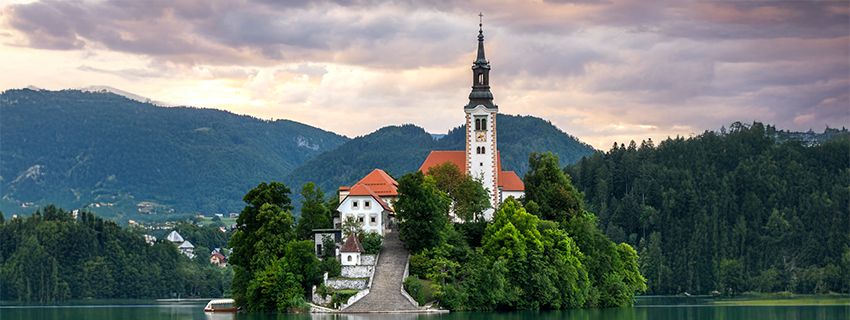
Japan’s famous cherry blossoms (sakura) are dazzling, but they bloom for only about two weeks. By contrast, autumn in Japan (kōyō or momiji season) offers weeks of vibrant colour, cooler weather, and fewer crowds. Renowned sites that sparkle under spring’s pink canopy become equally spectacular in fall, as Mount Fuji and Kyoto’s temples take on fiery reds and golds. Below, we explore why autumn travel in Japan often beats the cherry blossom hype.
Richer Colours That Last Longer
Cherry blossoms bloom brilliantly, but for a very short time. In mid-March to early April each year, Japan turns pink; however, this spectacle often lasts only about two weeks. In autumn, by contrast, leaves change colour gradually across the country from mid-September through early December. At any given place, peak colours can linger two to four weeks or more. For example, Kyoto’s maples may glow red through late November, and northern parks remain colourful into December.
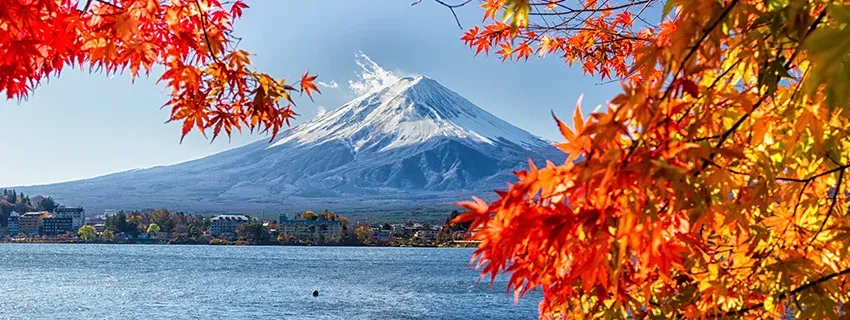
This longer season makes koyo planning easier. You’re not racing the clock to catch a bloom. Instead, you have flexibility: you can drive or tour at a relaxed pace and still see peak foliage. Japan’s cooler autumn climate produces richer hues of crimson, amber, and gold, creating stunning backdrops at landmarks like Mount Fuji and Shirakawa-go. “Mount Fuji, framed by red maples or reflected in a golden forest, becomes even more awe-inspiring during autumn,” notes a travel guide. In short, fewer trees, calmer weather, and a longer window mean autumn foliage often feels more impressive than fleeting sakura.
- Extended Viewing Window: Kōyō season runs for weeks; sakura for only days.
- Intense Fall Colours: Japanese maples and ginkgo trees ignite into deep reds and yellows.
- Iconic Backdrops: Landmarks like Mount Fuji and historic temples look equally breathtaking in autumn.
Escape the Crowds and Hassle
 The spring cherry blossom season is immensely popular – Tokyo and Kyoto flood with tourists and locals for hanami picnics. In fact, a recent survey found April (sakura season) to be the most desired month to visit Japan, with November (autumn leaves) a close second. That means both seasons draw crowds, but the nature of the crowds differs. In spring, everyone is chasing a narrow peak window, making travel and booking accommodations more stressful. In 2026, peak bloom dates led to cancellations of major festivals (e.g., Fujiyoshida’s cherry blossom festival was cancelled due to overtourism).
Autumn visits tend to be smoother. Although November is busy, the longer season spreads visitors out. Smaller roads and rural temples are far quieter after mid-November. The official Japan tourism site notes “thousands flock” to see autumn colours, but even so, many stunning kōyō spots remain off the beaten path. In autumn, you’ll find better hotel availability and easier transport. Hotels in Tokyo or Kyoto often have openings in October-November, whereas in March-April they sell out quickly. Airline fares can also be cheaper outside of sakura season. In practice, travelling in the fall means fewer lines at shrines, more peaceful temple gardens, and a chance to truly soak in the scenery.
- Easier Planning: Autumn runs longer and is more predictable; spring plans hinge on a single bloom date.
- Lower Crowds (Often): While popular, koyo sites are less frenetic – many travellers even seek “off the beaten path” autumn spots.
- Better Availability: Hotels and flights are easier to book in the fall than during the frantic cherry blossom rush.
Ideal Weather & Road-Trip Conditions
Autumn travel in Japan benefits from pleasant weather. Daytime temperatures are cool but comfortable, a “welcome departure” from the year-round heat found elsewhere. Unlike spring, which can be rainy and windy in some years, early November is often clear and crisp. This makes it perfect for the kind of active, open-road travel AO specialises in.
Imagine driving through Hakone or the Japanese Alps with snow-dusted peaks and maple forests lining the route. Our Japan Road Odyssey and other self-drive tours are especially spectacular in the fall: mountainous highways, twisting lakefront roads, and rural villages are all framed by autumn colour. On a clear day, you might see Mt. Fuji snow-capped and surrounded by scarlet-leafed forests. Many regions (Hokkaido, Nikko, Takayama, Fuji Five Lakes, etc.) offer drives or hikes amid fall foliage from October into November.
Moreover, autumn roads are generally free of the heavy rains and blossoms of spring. AO travellers can enjoy comfortable day trips (and evening onsen) without sweating or dodging showers. Many Ao itineraries highlight fall-specific attractions: illuminated temple gardens, kōyō night viewings, and autumn harvest festivals. The end result? A road trip where every turn feels cinematic.
- Mild, Stable Weather: Cool, clear fall days and crisp nights (great for onsens) versus unpredictable spring showers.
- Scenic Drives: Golden forests on mountain passes, especially around Mt. Fuji and the Japanese Alps.
- AO Road Trips: Fall is ideal for our self-drive tours (e.g. Tokyo–Kyoto route), with comfortable conditions and brilliant vistas.
If there’s one way to truly experience Japan, it’s by road, and autumn is when the country is at its most drivable.
Imagine this:
- Driving past Mount Fuji with autumn foliage in the foreground
- Cruising through the Japanese Alps covered in red and gold
- Reaching Shirakawa-go’s UNESCO village framed by fall colours
This is why autumn is considered the best time for a Japan road trip tour package, a self-drive Japan holiday, and a Tokyo-to-Osaka driving itinerary.
The weather is clear, the roads are scenic, and every turn feels cinematic.
Deeper Cultural Immersion
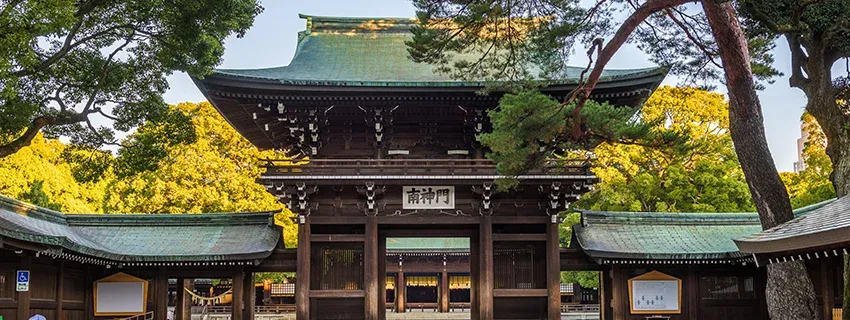 Autumn in Japan is not just about nature – it carries rich cultural traditions. Just as spring has hanami, fall has momijigari – “leaf hunting.” This centuries-old practice (popular since the Heian-era aristocracy) involves travelling to enjoy red and gold foliage. Momijigari is often more introspective than hanami: instead of party picnics, visitors quietly admire temples and teahouses set among autumn gardens. As one travel guide puts it, hanami is festive and communal, whereas momijigari “is more contemplative, inviting travellers to savour the solitude of nature”.
Autumn flavours also play a role: seasonal cuisine and Japanese maple motifs appear in sweets and festivals. Cultural sites take on a new aura – Kyoto’s historic temples (Eikando, Tofukuji, Arashiyama) are famous for their leaf colours, some even offering nightly illuminations. Even places known for cherry blossoms are enchanting in fall: Mt. Yoshino, world-famous for its spring bloom, becomes “a fiery sea of crimson, orange and gold” by autumn. In autumn, Japan’s centuries-old appreciation for impermanence continues, but in a slower, richer way.
- Momijigari Tradition: Fall leaf viewing is as culturally ingrained as hanami, featured in poetry and classical art.
- Temples & Heritage: Kyoto’s shrines and Nara’s forests often have fewer tourists in autumn, letting you connect more deeply.
- Seasonal Cuisine: Koyo season brings chestnut treats, autumn bento, and seasonal kaiseki menus – a delight for gourmets.
Conclusion: Not Just Different, but Better
For many travellers, Japan’s autumn isn’t merely an alternative to sakura season – it’s a step up. You get the same breathtaking beauty on a grand scale, but with more flexibility, comfort, and cultural depth. Rather than racing to hit a two-week spring window, autumn lets you savour weeks of colour, road-trip scenery, and meaningful traditions.
If you’ve ever dreamed of an epic Japan road trip tour – winding through temple-lined valleys and lakeside by Mount Fuji – fall is when it truly comes alive. As one expert notes, autumn foliage “rivals” Japan’s famed cherry blossoms, and travellers agree that the experience lingers far longer than a handful of petals.
Written by
Damini Sharma
Damini has travelled the world solo, sometimes for work, primarily for self‑discovery, and now she explores full‑time! She enjoys slow, mindful travel & immerses herself in any country she visits. Working for AO, she transforms itineraries into adventures and destinations into dreams. Having explored the UAE, Indonesia, the Northeast, the Andaman Islands, and beyond, Damini writes from lived experience—capturing the sights, sounds, and soul of each journey. Whether drafting court‑worthy briefs or breathtaking travel blogs, Damini crafts experiences that invite readers to step into memory, embrace wonder, and discover deeper human connections.