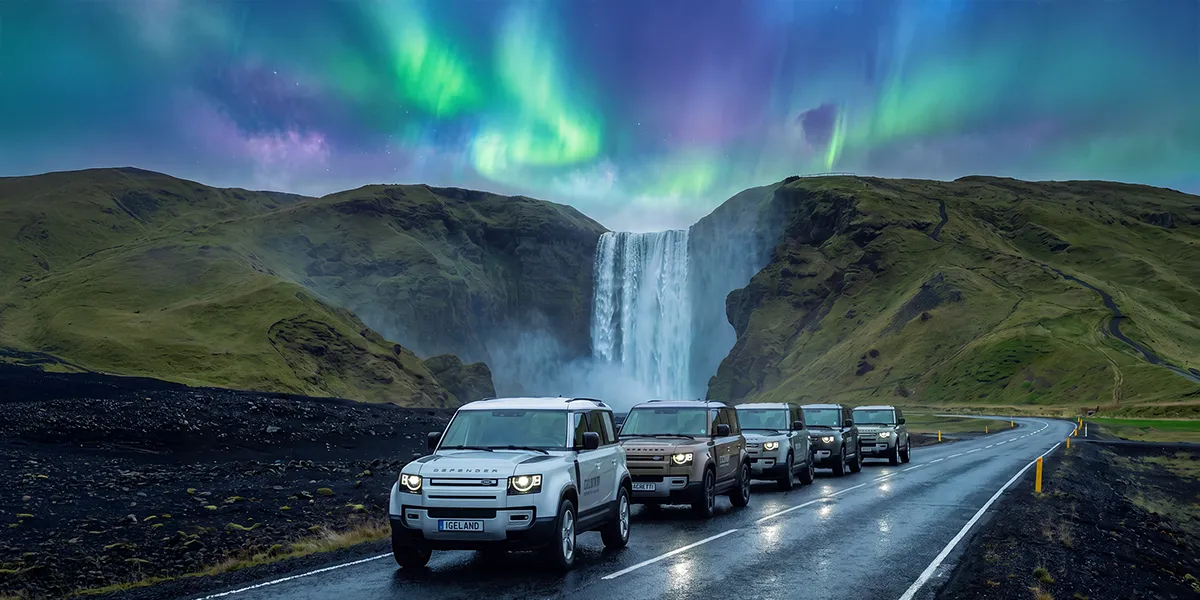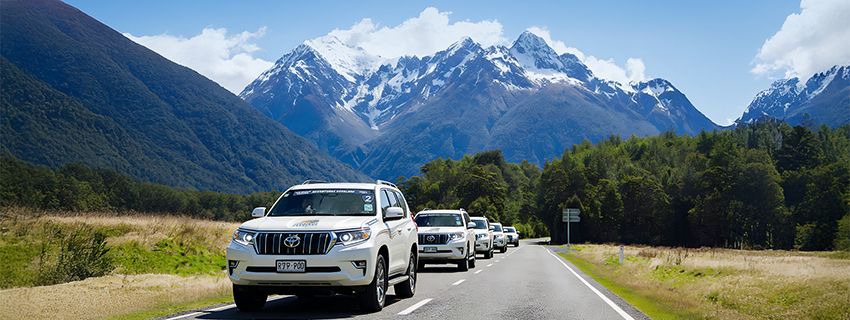
New Zealand’s dramatic scenery, from sweeping mountain highways to coastal plains, makes it a “must-visit destination” for road-trip enthusiasts. In 2026, New Zealand welcomed over 3.3 million tourists, all drawn by its famous landscapes and vibrant culture. An overland self-drive convoy tour lets travellers explore these sights with freedom.
Picture starting in subtropical Northland and winding through geothermal valleys, beach coasts and wine country, then crossing the rugged Southern Alps to alpine lakes and fjords. The list below highlights New Zealand’s top road trip places, from North Island cultural and natural gems to South Island alpine and coastal wonders.
Best Time to Visit New Zealand
New Zealand’s seasons are distinct and varied, shaped by its dramatic landscapes and changing elevations. Choosing the right time depends on the kind of experience you seek.
Summer (December–February)
Summer is the most popular season, offering long daylight hours and warm temperatures ideal for beaches, coastal drives, hiking, and outdoor adventures. It is the perfect time to explore alpine vistas and enjoy water activities. However, it is also peak tourist season, so expect higher prices and busier attractions. The North Island can feel almost subtropical, while the South Island remains pleasantly warm.
Autumn (March–May)
Autumn brings mild weather, fewer crowds, and striking fall colours, particularly in regions like Central Otago. The comfortable temperatures and quieter roads make it an excellent time for relaxed touring, vineyard visits, and photography.
Ideal for: Scenic drives, photography, crowd-free travel
Winter (June–August)
Winter transforms the Southern Alps and Central Plateau into snow-covered landscapes. Queenstown and Wānaka become popular ski destinations. If driving in alpine areas, carrying snow chains and exercising caution on icy roads is essential. Temperatures in higher regions can drop to –10°C.
Ideal for: Skiing, snowboarding, alpine scenery
Spring (September–November)
Spring is a peaceful shoulder season marked by blooming wildflowers, newborn lambs in the countryside, and gradually warming temperatures. It offers a pleasant balance between winter’s crisp air and summer’s warmth, making it a rewarding time for road trips.
Ideal for: Countryside exploration, moderate weather, fewer tourists
North Island Highlights
The North Island is rich in cultural landmarks, forests and geothermal hotspots. Here are some must-see regions.
Northland & Bay of Islands
The far north, from Cape Reinga to the Bay of Islands, offers sunny subtropical coasts and Māori history. The Bay of Islands, around Paihia and Russell, is a scenic archipelago for sailing and dolphin cruises. Nearby Waitangi Treaty Grounds (Bay of Islands) are literally the “birthplace of our nation”: this is where the 1840 Treaty of Waitangi was signed by Māori chiefs and the British Crown. The official history site calls Waitangi Grounds the country’s most important historic site and “our bicultural birthplace”. In Northland, you can also drive out to Cape Reinga (New Zealand’s northern tip) and 90 Mile Beach, where Māori legend says spirits depart for the underworld.
Rotorua & Central Plateau
In the central North Island, Rotorua and nearby Taupō lie in the thermal heart of New Zealand. Rotorua brims with geysers, hot springs and Māori cultural experiences. It is often called “the birthplace of Māori tourism”, with village tours offering traditional pōhiri (welcome ceremonies), haka performances and hāngī feasts. A top attraction is Te Puia (Rotorua) – an iconic park of erupting geysers and Māori arts which is lauded as “one of New Zealand’s most magnificent geothermal wonderlands and Māori cultural centres”.
Nearby Lake Taupō (the country’s largest lake) feeds the Huka Falls and provides water activities. To the south is Tongariro National Park, home to three active volcanoes including Mt. Ngauruhoe, aka “Mt. Doom” from The Lord of the Rings and the famous Tongariro Alpine Crossing hike.
Coromandel & East Coast
East of Auckland is the Coromandel Peninsula, a forested jewel box of beaches and cliffs. Drive winding SH25 around the peninsula’s rim for stops like Cathedral Cove which is an iconic beach arch and Hot Water Beach, where you can dig your own geothermal spa in the sand. The Coromandel’s coastal views are a highlight of any road trip. Further south along the coast is Hawke’s Bay, home to Napier with its 1930s Art Deco architecture and rolling vineyards – a great detour for wine tasting (around Havelock North) on a sunny shelf.
If you swing eastward, the Pacific Coast Highway around East Cape is a remote but rewarding route: the towns are lined with beaches and fishing spots, and uninterrupted swimming and surf beaches abound. Near Te Araroa, you’ll find New Zealand’s easternmost lighthouse.
Wellington & Lower North
The capital Wellington sits on a rugged harbour at the southern tip of the North Island. Take the cable car up to panoramic city views, visit the national museum Te Papa Tongarewa, and sample craft breweries and cafés along the waterfront. North of Wellington, the Kapiti Coast offers a picturesque coastal drive, and further north, Manawatu–Wanganui has sandy beaches and the famous Castlepoint cliffs with a historic lighthouse. Many road trippers also loop through the Central North Island back to Auckland, or down the Thermal Explorer Highway to see Lake Taupō’s geyser park, then across to Wellington. Overall, the North Island’s highlights combine Māori history, geothermal wonders and artful cities – each easily reached by highway.
South Island Highlights
The South Island is famously dramatic: soaring mountains, wild coasts and wine country. Key regions include:
Top of the South (Marlborough & Nelson)
The northern tip of the South Island is known for sunshine, wineries and pristine coastlines. Marlborough (around Blenheim) is New Zealand’s largest wine region, so it’s perfect for a self-drive wine tour. Nearby Abel Tasman National Park, at the tip of Nelson, epitomises golden beaches and kayaking in the clear waters. The drive from Picton (arrival port) west to Abel Tasman is a highlight, and you can hike parts of the Abel Tasman Coast Track or paddle through turquoise bays.
West Coast (Glaciers & Rainforest)
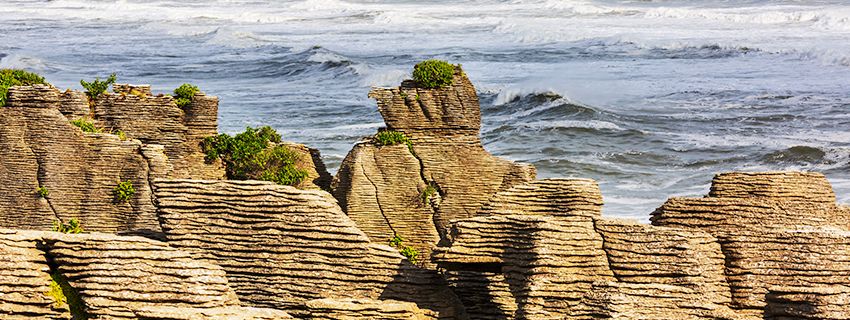
From Westport down to Haast, State Highway 6 traces the spine of the rugged West Coast. This stretch is famous for temperate rainforests and two major glaciers. Stop at Punakaiki to walk among the Pancake Rocks and blowholes. Further south, Franz Josef and Fox glaciers descend almost to sea level, into rainforest, one of the most unique glacier experiences in the world.
The Great Alpine Highway (SH73) from Christchurch to the West Coast is a classic scenic drive: This beautifully scenic route will carry you through charming historic towns and dramatic changing landscapes via Arthurs Pass and the Southern Alps. Along this route, you might even catch a glimpse of wild kea parrots or swing from a scenic skybridge. Quaint villages like Arthur’s Pass and Hokitika are good overnight stops, with Hokitika well known for greenstone (jade) carving and sunsets over the Tasman Sea.
Southern Lakes & Aoraki/Mt. Cook
The Southern Lakes district centres on Queenstown and Wānaka, two resort towns set on turquoise glacial lakes. Queenstown is often called the adventure capital – offering bungy jumping, jet boating, skiing, and excellent dining (with nearby Central Otago vineyards). A short drive from Queenstown is the dramatic Crown Range road down to Wānaka, another town surrounded by peaks and the famous Roys Peak.
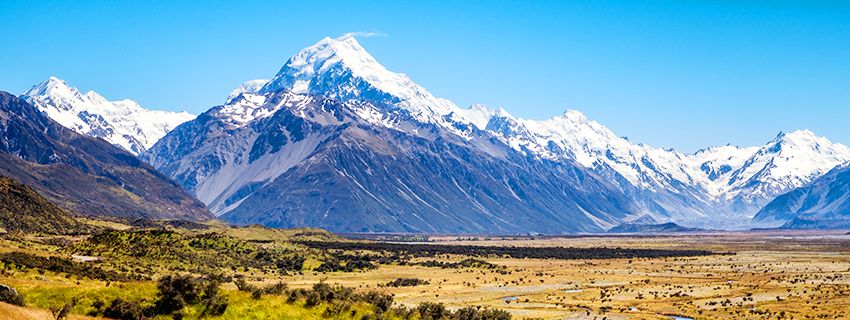
Continuing east from Wānaka leads into Aoraki/Mount Cook National Park: New Zealand’s highest mountain (3,724 m) and home to the Hooker Valley Track, which offers up-close alpine views. The bright blue Lake Tekapo (with its tiny church on the shore) is just east of Mt. Cook and is part of a UNESCO Dark Sky Reserve. This area, with its mirror lakes and snow-capped mountains, is why many consider the Queenstown–Mt. Cook road one of the country’s most epic drives.
Fiordland & the Southern Coast
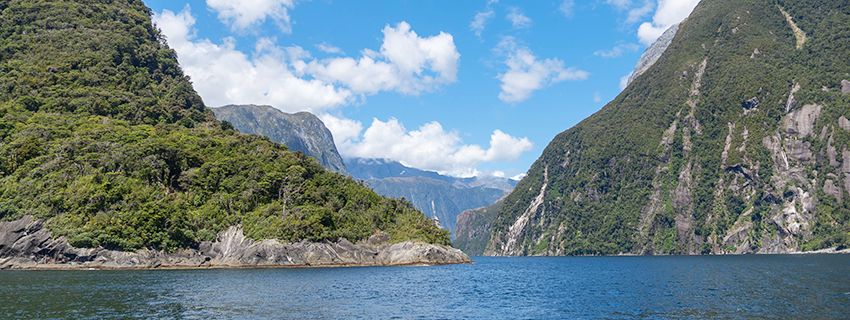
At the southwest corner lies Fiordland National Park, home to the world-famous Milford Sound. The drive from Te Anau through the Homer Tunnel to Milford Sound has been called “one of New Zealand’s most scenic routes”. Milford Sound itself is often described as the country’s crown jewel. Boat cruises or kayaking tours here reveal towering Mitre Peak and thundering waterfalls. Back on land, Te Anau is the gateway town with glowworm caves nearby.
Heading north from Fiordland along the southern coast is the Southern Scenic Route, which winds from Queenstown to Dunedin. This road takes you through the Catlins, a remote region of windswept bays, dense forests and the Nugget Point lighthouse. Along the Catlins Coast, you can marvel at the steep headland and rocky islets at Nugget Point, and see the photogenic Pūrākaunui Falls. Keep an eye out for seabirds, sea lions and maybe the rare yellow-eyed penguin.
Finally, the route reaches Dunedin, a city with a strong Scottish heritage. The nearby Otago Peninsula is a wildlife hotspot for albatross, seals, and more. Dunedin itself has Victorian architecture, the world’s steepest street and lively markets, making it a nice culture break on your southbound journey.
Scenic Drives & Routes
Beyond the regions themselves, New Zealand’s road trip places are defined by their highways and passes. These iconic drives deserve special mention:
- Milford Road (SH94) – 119 km from Te Anau to Milford Sound, traversing beech forest and alpine lakes. It has been called “one of New Zealand’s most scenic routes”, with highlights like Mirror Lakes and the Homer Tunnel.
- Southern Scenic Route – This is a 600 km loop from Dunedin through The Catlins to Queenstown. It showcases the rugged southern coast and wildlife for example, the drive takes you past Nugget Point and Pūrākaunui Falls, both well worth photo stops.
- Great Alpine Highway (Arthur’s Pass) – State Highway 73 from Christchurch to Hokitika, climbing over Arthur’s Pass. The road traverses Arthur’s Pass over the Alps and offers ever-changing scenery from Canterbury plains to jagged peaks.
- Pacific Coast Highway (East Cape Loop) – A scenic detour from Ōpōtiki up the North Island’s northeast coast. It’s sparsely trafficked but beautiful: riding through Te Urewera and fishing villages, you can visit the easternmost lighthouse at Te Araroa and see Tikitiki’s ornate Māori church.
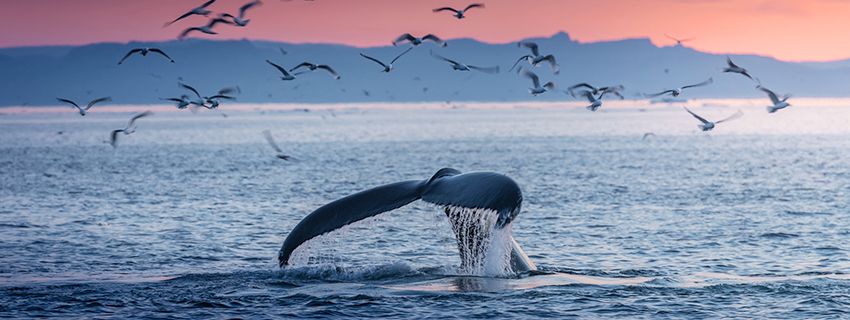
- Coastal Pacific (State Highway 1) – North–south runs from Napier past Picton, hugging cliffs above the Pacific. The stretch from Kaikōura to Christchurch is famous for ocean vistas and whale watching; meanwhile, south of Napier, the road winds through vineyards and cattle pastures.
- Southern Lakes Highway (Routeburn) – The Routeburn and Milford tracks define hiking routes, but the road connecting Queenstown to Milford/Southern Lakes (via SH94 and SH6) is itself stunning, with waterfalls and peaks at every turn.
These and countless other drives (like the Milford Road’s hairpin turns or the Karangahake Gorge walkway outside Auckland) make the journey as memorable as the stops. (And of course, the company of a small convoy group can make even long highway days fun and safe!)
Cultural & Natural Landmarks
NewZealand’s sightseeing destinations blend nature and culture. In the North Island, Rotorua’s Māori villages (Te Puia, Tamaki) provide deep cultural insight. Visiting a haka performance and a hangi feast is a classic Kiwi experience. On the South Island, Queenstown’s adventure vibe contrasts with nearby Central Otago’s gold-rush history and vineyards. Art and history museums like Te Papa in Wellington and the Toitū Otago Settlers Museum in Dunedin are great places to stop in the city.
Nature landmarks abound too: besides the lakes and glaciers already mentioned, don’t miss Lake Tekapo (its McKenzie Alpine Glow Dark Sky Reserve is famed for stargazing), Castle Hill (limestone boulders in Canterbury, known from Chronicles of Narnia), and the penguin rookeries of Otago Peninsula. Even simple things like stopping at a local bakery in a small town or visiting a back-country dairy farm can be highlights of a self-guided trip.
Practical Tips for Self-Drive
A self-drive journey across New Zealand is deeply rewarding, but a little preparation ensures a smooth and stress-free experience. Keep these key points in mind:
- Plan for Winding Roads: Highways are well-maintained but often narrow and curvy, especially through mountain passes. Distances may look short on the map, yet drives can take longer than expected.
- Allow Extra Driving Time: Scenic routes such as the Haast Pass or alpine crossings require patience. Avoid tight schedules and enjoy the journey.
- Fuel Strategically: Petrol stations can be far apart in rural regions. Refill whenever you have the opportunity, particularly before entering remote areas.
- Drive on the Left: New Zealand drives on the left. Seat belts are compulsory, and speed limits are displayed in kilometres per hour.
- Winter Precautions: In colder months, check road conditions before setting out. Alpine passes like Arthur’s Pass and Milford Road may close after snowfall. Carry snow chains when advised and know how to use them.
- Connectivity Planning: Mobile coverage is reliable near towns and cities but limited in wilderness areas. Download offline maps and inform someone of your route if heading remote area
- Choose the Right Vehicle: Whether travelling in a 4×4 or campervan, your vehicle serves as both transport and accommodation on many routes. Select one suited to your terrain and comfort needs.
- Pack for Changing Weather: Conditions can shift quickly. Carry layers, waterproof jackets, and sturdy footwear year-round.
- Respect Biosecurity Rules: New Zealand has strict environmental regulations. Clean boots and gear before entering national parks, and declare any restricted food items if required.
With thoughtful preparation, a New Zealand self-drive becomes less about logistics and more about open roads, dramatic landscapes, and uninterrupted freedom.
Conclusion
From steaming geysers and Maori villages to sky-high alpine vistas and fiords of stunning beauty, New Zealand offers endless highlights for an overland road trip. Whether you’re driving the classic routes (Milford Road, Alpine Highway) or seeking hidden gems (East Cape lighthouses, Catlins coast), each day brings a new scene. Travelling in a small convoy with a curated itinerary as Adventures Overland does means you enjoy the freedom of a self-drive tour but with expert planning and fellow travellers at your side. With careful timing (summer vs shoulder season) and the right preparations, a New Zealand self-guided road trip becomes an unforgettable adventure through some of the planet’s most scenic tourist attractions.
Written by
Damini Sharma
Damini has travelled the world solo, sometimes for work, primarily for self‑discovery, and now she explores full‑time! She enjoys slow, mindful travel & immerses herself in any country she visits. Working for AO, she transforms itineraries into adventures and destinations into dreams. Having explored the UAE, Indonesia, the Northeast, the Andaman Islands, and beyond, Damini writes from lived experience—capturing the sights, sounds, and soul of each journey. Whether drafting court‑worthy briefs or breathtaking travel blogs, Damini crafts experiences that invite readers to step into memory, embrace wonder, and discover deeper human connections.