- The Best Seasons to Visit Brazil and Peru
- Summer (December- March)
- Autumn (April- May)
- Winter (June- August)
- Spring (September- November)
- Brazil Weather Through the Year
- Wet and Dry Seasons Matter More Than Summer and Winter
- Brazil Temperature and Rainfall by Region
- Best Places to Visit in Brazil
- Copacabana Beach
- Escadaria Selarón (Lapa Steps)
- Corcovado and Christ the Redeemer
- Sugarloaf Mountain (Pão de Açúcar)
- Flecheiras (Trairi)
- Icaraí de Amontada (Icaraizinho)
- Coastal Journey to Jericoacoara
- East Coast of Jericoacoara (Lagoons Tour)
- Barreirinhas and Lençóis Maranhenses (ATV Adventure)
- Barreirinhas to São Luís to Manaus
- Manaus (Amazon, Pink Dolphins and Tribe Visit)
- São Paulo to Iguazu Falls (Iguaçu National Park)
- Best Time to Go to Rio Brazil
- Best Places to Visit in Peru
- Fly to Lima, Peru
- Cusco (Historic Inca Capital)
- Cusco to Machu Picchu (The Inca Trail and Citadel)
- Best Things to Do in Brazil and Peru
- In Brazil
- In Peru
- Brazil in December and January
- Brazil in December- When Summer Opens with a Bang
- Brazil Weather in January- Peak Heat, Short Sharp Showers
- Combining Brazil with Peru in These Months
- Book Your Brazil and Peru Escape with Confidence
Picture the moment when the first rays of dawn illuminate the ancient stone terraces of Machu Picchu, painting the Andes in hues of gold and amber. Fast forward, and travellers find themselves swept into the pulsating energy of Rio's samba nights, where rhythmic beat+s echo through cobblestone streets beneath towering peaks. This remarkable blend defines the allure of combining Brazil and Peru into one extraordinary South American adventure, with ancient Peruvian mysteries seamlessly paired with Brazil's irrepressible spirit. Knowing the best time to visit Brazil and Peru helps you catch both at their best. Let’s find out how you can explore the beautiful places in a better way.
The Best Seasons to Visit Brazil and Peru

For those seeking the best places to visit in Brazil and Peru, iconic destinations like Machu Picchu and Iguazu Falls stand ready to captivate. Things to do in Brazil range from beach explorations along Copacabana's golden sands to wildlife encounters in the Pantanal wetlands. While a Brazil and Peru road trip traditionally involves flight-based itineraries across borders due to vast distances, explorers can pursue overland routes through Bolivia or along the Interoceanic Highway for deeper immersion into South America's diverse landscapes.
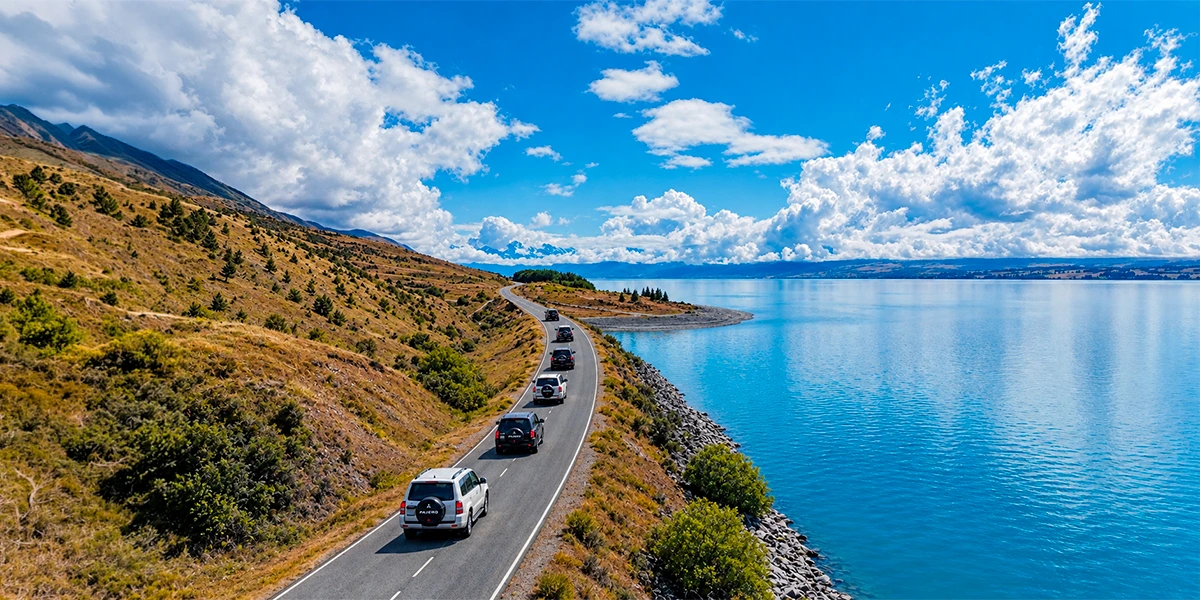
Brazil's weather varies widely, from coastal highways to interior rainforests, so the best time to go to Brazil can differ from one region to the next. This variation also influences the timing of a scenic international road trip across the region. As Brazil's seasons are the reverse of those in the Northern Hemisphere, summer here falls between December and March.
Summer (December- March)
Brazil Highlights
- Best time for beach holidays in Rio de Janeiro – warm, sunny, and lively
- Carnival season in February or March brings vibrant street parades and music
- Hot and humid in the Amazon, with high water levels for boat-based exploration
Peru Highlights
- Rainy season in the Andes and Machu Picchu region – lush landscapes but frequent showers
- Fewer crowds, but the Inca Trail closes every February for maintenance, and other trails may be affected by weather
Autumn (April- May)
Brazil Highlights
- Rain begins to ease in the Amazon, with wildlife activity increasing
- Pleasant weather across most regions, with shoulder season pricing and thinner crowds
Peru Highlights
- Start of the dry season in the Andes – excellent conditions for trekking
- Ideal time to visit Machu Picchu before peak crowds arrive
- Clear mountain views and blooming valleys
Winter (June- August)
Brazil Highlights
- Dry season in the Amazon and Pantanal – best time for wildlife viewing
- Mild temperatures across much of the country
- Great time for cultural travel and nature safaris
Peru Highlights
- Peak season for Cusco and Machu Picchu – clear skies, cool nights, bustling tourism
- Inti Raymi Festival on 24 June in Cusco – a major cultural celebration
Spring (September- November)
Brazil Highlights
- Dry weather continues, especially good for Pantanal safaris
- Warming temperatures toward November, when beaches start getting livelier
Peru Highlights
- Post-peak sweet spot with fewer tourists but still great weather
- Clear days with blooming scenery – perfect for outdoor exploration
Brazil Weather Through the Year
A country this size doesn't have one climate, so Brazil weather depends on where you're standing. In the Amazon, it's thick, warm air and sudden downpours. On the northeast coast, it's trade winds and sunshine. In the south, winter evenings can feel properly cool. Understanding the Brazil climate by region helps you choose the right places for your dates.
Wet and Dry Seasons Matter More Than Summer and Winter
Closer to the equator, Brazil seasons are less about temperature and more about rain. The rainy season in Brazil differs by region. In the Amazon, it runs roughly from December to May, while on the northeast coast the rain mostly falls between February and May. Planning around rainfall often matters more than planning around the calendar season.
Brazil Temperature and Rainfall by Region
- Amazon (Manaus). Hot and humid all year, with Brazil temperature typically between 25°C and 32°C. River levels rise through the wet months and peak around mid-year.
- Northeast coast (Fortaleza, Jericoacoara, Lençóis Maranhenses). Warm all year at about 26°C to 31°C. The second half of the year is drier and windier, and the Lençóis lagoons look their best from around June to September.
- Rio de Janeiro and the southeast. Rio de Janeiro weather is tropical, with summer highs often reaching 30°C or more, plus humidity and afternoon storms. Winter is milder at roughly 23°C to 26°C during the day, with drier skies. São Paulo runs cooler, and winter evenings can dip to around 12°C to 15°C.
- The south and Iguazu. The climate here is subtropical, with hot, humid summers and cooler winters. Nights can drop to about 10°C between June and August. Rain falls throughout the year, so a light waterproof is useful whenever you go.
The simple takeaway is to pack by region, not by country. A single Brazil trip can take you from jungle humidity to a jumper-worthy evening.
Best Places to Visit in Brazil
Copacabana Beach
Copacabana's 4-km crescent of golden sand in Rio de Janeiro is one of the world's most famous beaches. Locals and tourists mingle on its lively promenade adorned with the iconic black-and-white wave-pattern mosaic, enjoying beach sports by day and music at night. Strolling this vibrant waterfront offers stunning ocean views and a taste of Rio's carefree beach culture.
Escadaria Selarón (Lapa Steps)
A must-see in Rio's bohemian Lapa district, the Escadaria Selarón is a dazzling mosaic staircase created by Chilean artist Jorge Selarón as his tribute to Brazil. The 215 colourful steps are covered in over 2,000 ceramic tiles from more than 60 countries, an ever-evolving artwork where each fragment tells a story. It's a vibrant spot for photos and a testament to Rio's artistic soul.
Corcovado and Christ the Redeemer
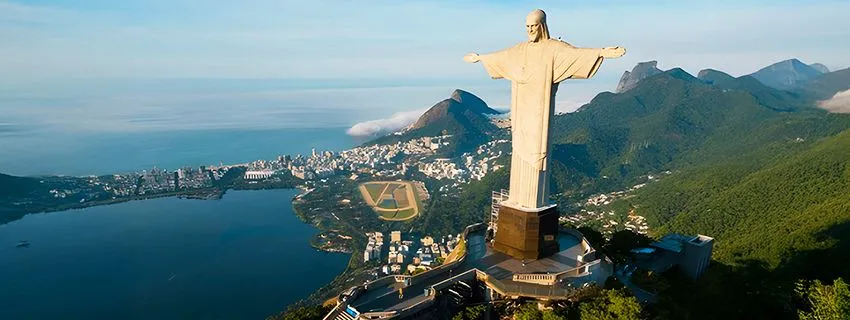
High atop Corcovado Mountain stands the 30-metre Christ the Redeemer statue, an icon of Rio and one of the New Seven Wonders of the World. Visiting this peak (710 m above sea level) offers breathtaking 360° views of Guanabara Bay, Sugarloaf Mountain, and the city's beaches spread below. Reaching the summit by train or van, you'll experience the awe of Rio's skyline and the Tijuca Forest all at once.
Sugarloaf Mountain (Pão de Açúcar)
Sugarloaf is another of Rio's postcard vistas – a granite peak rising 396 m at the bay's edge, accessed by a historic two-stage cable car. The glass-walled bondinho gondolas whisk you first to Morro da Urca and then to Sugarloaf's summit. At the top, you're rewarded with panoramic views of Rio's coastline, the sprawling city, and dramatic sunsets over the Atlantic. It's an unforgettable experience, especially as the sun paints the sky in the evening.
Flecheiras (Trairi)
Flecheiras is a tranquil fishing village on the Trairi coast of Ceará, offering wide palm-lined beaches and calm, warm seas. At low tide, natural tide pools emerge among the coral reefs, creating crystal-clear pools perfect for snorkelling. Adventure seekers can take dune buggy or quad rides on the nearby dunes, and at day's end, Flecheiras treats you to magnificent sunsets over the ocean's horizon.
Icaraí de Amontada (Icaraizinho)
Icaraí de Amontada, often called "Icaraizinho", is a hidden gem between Fortaleza and Jericoacoara. This little paradise, nestled in coconut groves by a crescent bay, boasts year-round warm waters and steady trade winds ideal for kitesurfing and windsurfing. Far from mass tourism, Icaraí has a peaceful, small-village charm: golden beaches, friendly locals, and a laid-back vibe that invites you to relax in a hammock under the palms.
Coastal Journey to Jericoacoara
Travelling from Icaraizinho to Jericoacoara is an off-road adventure along Brazil's wild northeast coast. Many opt for a 4x4 or dune buggy beach safari, which takes them across secluded beaches, river ferries, and towering dunes en route. By the time you arrive at the remote village of Jericoacoara, with its sandy streets and vibrant kite-surfing scene, you've experienced endless blue horizons, lazy fishing villages, and the raw beauty of the Atlantic shore.
East Coast of Jericoacoara (Lagoons Tour)
Jericoacoara National Park is famed for its "Passeio Leste", an east coast buggy tour that highlights the area's natural wonders. On this excursion, you'll visit the arched rock formation of Pedra Furada, a symbol of Jeri, and then cool off at idyllic freshwater lagoons like Lagoa Azul and Lagoa do Paraíso. At Lagoa do Paraíso, you can lounge in the famous hammocks suspended over crystal-clear turquoise waters fringed by white sand. It's a picture-perfect tropical oasis that genuinely lives up to its name, "Paradise Lagoon".
Barreirinhas and Lençóis Maranhenses (ATV Adventure)
Barreirinhas is the gateway to the surreal landscapes of Lençóis Maranhenses National Park, where endless white dunes stretch to the horizon. Exploring by 4x4 or ATV is an adrenaline-filled way to experience this natural wonder: you'll ride over sweeping dunes and discover sparkling rain-fed lagoons tucked between the sands. The contrast of turquoise lagoons against the desert-like dunes is breathtaking, and a swim in these clear pools under the open sky is an unforgettable reward after a dusty ride.
(Pro tip: Visit in the wet season, when the rain-fed lagoons are at their fullest, for the best experience.)
Barreirinhas to São Luís to Manaus
After adventuring in the dunes, the journey continues to São Luís, the capital of Maranhão. This historic port city, founded in 1612, is renowned for its colonial centre, a UNESCO World Heritage Site featuring over 3,000 colourful azulejo-tiled buildings and charming cobbled streets. From São Luís, a flight takes you deep into the Amazon to Manaus, marking a dramatic shift from Brazil's Atlantic coast to the heart of the rainforest. In one day, you go from desert-like dunes to humid jungle, setting the stage for Amazonian explorations ahead.
Manaus (Amazon, Pink Dolphins and Tribe Visit)
Manaus, sprawling on the Amazon River, is the launch point for immersive rainforest tours. A popular day trip is to cruise to the Meeting of the Waters, where the dark Rio Negro and sandy Rio Solimões flow side by side without mixing. From there, you can visit a floating platform to observe and even swim with Amazon pink river dolphins, gentle, curious creatures that often come right up for a treat, offering a once-in-a-lifetime wildlife encounter.
São Paulo to Iguazu Falls (Iguaçu National Park)
Heading south from São Paulo, travellers often include a visit to the awe-inspiring Iguazu Falls on the Brazil-Argentina border. Iguazu is the world's most extensive waterfall system, with about 275 cascades roaring over a 2.7 km span of lush subtropical rainforest. In Iguaçu National Park (Brazil side), you can walk out on catwalks near the thunderous Devil's Throat chasm, feeling the spray of the 80-metre-high falls and spotting rainbows in the mist. Across the border in Argentina, trails and boat rides bring you even closer to the falls.
Best Time to Go to Rio Brazil
Rio is the city most people picture when they plan a trip to Brazil, and the best time to go to Rio, Brazil depends on what you want from it. Beach days, a street party, or space to enjoy the views without queues each point to a different part of the calendar.
- December to March, the high-energy summer. This is Rio at its hottest, with warm seas and beaches packed by midday. Expect humid air and short afternoon downpours. Carnival in Rio arrives in February or early March, and New Year's Eve in Rio fills Copacabana on 31 December. Prices and crowds peak, so book early.
- April to June, the sweet spot. The heat eases, humidity drops, and the rain tapers off. Hotels and tours cost less, and trails like Tijuca Forest are much more comfortable to hike.
- July to August, the clear-sky winter. Days are dry and sunny, with highs of about 23°C to 26°C. The sea is cooler for swimming, but the air is clearer, which makes Sugarloaf and Corcovado views some of the sharpest of the year. Brazilian school holidays in July bring more domestic visitors.
- September to November, the warm-up. Beach weather returns, and crowds stay manageable before the December rush. Short showers are possible, but the days are mostly bright.
Tip: Clouds often wrap around Christ the Redeemer, so go early on a clear, dry morning for the best chance of unobstructed views.
If you're working out the best time to travel to Brazil and can only choose one window for Rio, late April to June and September to October balance good weather, fair prices, and room to breathe.
Best Places to Visit in Peru
Fly to Lima, Peru
After Iguazu, the journey heads to Peru's capital. A flight, usually with a connection through São Paulo or Buenos Aires, brings you to Lima, a Pacific-coast metropolis where colonial charm meets modern flair. Lima is renowned for its rich history and preserved Spanish colonial architecture. The Plaza Mayor and its surrounding streets are lined with 16th-century churches, balconies, and mansions that have earned the city UNESCO World Heritage status. It's also hailed as the gastronomic capital of South America, home to world-renowned restaurants and mouthwatering street food.
Cusco (Historic Inca Capital)
Cusco is a beautiful ancient city nestled in the Andes at an altitude of approximately 3,400 m (11,150 ft). Once the capital of the Inca Empire, it still preserves a unique blend of Inca and Spanish colonial heritage. You'll walk on cobblestone streets where massive Inca stone walls form the foundations of colonial churches and plazas. For example, the Santo Domingo convent is built atop the Inca Temple of the Sun (Qoricancha). The city's main square, Plaza de Armas, is flanked by a cathedral and arcades. Nearby, you can visit impressive Inca ruins, such as Sacsayhuamán, with its enormous carved stones.
Cusco to Machu Picchu (The Inca Trail and Citadel)
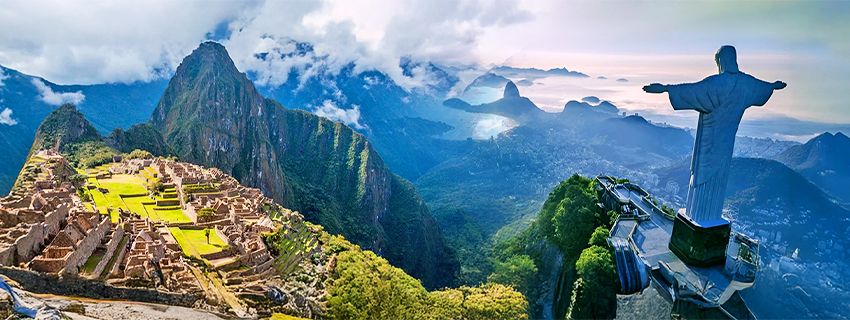
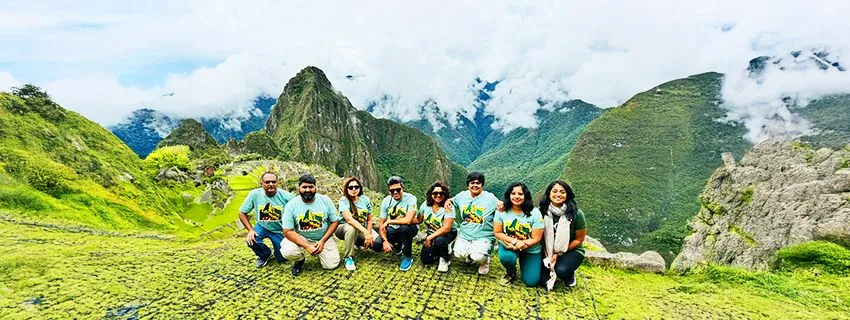
The trip's grand finale is the journey from Cusco to Machu Picchu, the legendary Lost City of the Incas. Many visitors take a scenic train ride through the Urubamba River Valley, winding between dramatic mountains and cloud forests for a few hours. Adventurers may opt for the classic Inca Trail, a 4-day trek that traverses mountain passes, culminating in arrival at the Sun Gate at dawn. However you arrive, stepping into Machu Picchu is unforgettable: the 15th-century Inca citadel sits on a ridge at 2,430 m, surrounded by green peaks and often shrouded in mist in the mornings. Over 200 stone structures, including temples, terraces, and houses, spread out across the steep terrain, showcasing the Incas' masterful stone engineering. Machu Picchu's harmonious blend of architecture and nature, recognised as a UNESCO World Heritage site, makes it truly deserving of its reputation.
Best Things to Do in Brazil and Peru
In Brazil
- Walk the Iconic Copacabana Beach – Feel Rio's rhythm as you stroll its golden sands and soak up the city's carnival spirit.
- Climb the Selarón Steps in Lapa – Admire 215 colourful mosaic steps, one of Rio's most photogenic landmarks.
- Soar Over Christ the Redeemer – Take a helicopter ride over Rio for breathtaking views of Sugarloaf and Corcovado.
- Unwind in Fortaleza – Enjoy seafood feasts, beach sunsets, and the start of your epic road adventure.
- Drive Through Flecheiras and Trairi – Experience the thrill of dune and beach driving along Brazil's northern coast.
- Cruise the Route of Emotions – Ferry across rivers, conquer golden dunes, and explore Icaraí de Amontada's wild coast.
- Reach Paradise in Jericoacoara – Navigate dirt tracks to one of Brazil's most beautiful beach towns.
- Relax at Alchymist Lagoon Club – Swim, sunbathe, and savour delicious Brazilian cuisine by turquoise waters.
- Speedboat Through Delta do Parnaíba – Spot red crabs, crocodiles, and mangroves on this scenic delta cruise.
- Explore Lençóis Maranhenses – Walk barefoot across dunes and dive into crystal-clear lagoons.
- Ride ATVs in Barreirinhas – Feel the adrenaline as you race through golden dunes in the Pequenos Lençóis desert.
- Stroll São Luís' Old Town – Discover UNESCO-listed streets filled with colonial mansions and vibrant local life.
- Swim with Pink Dolphins in Manaus – Experience the magic of the Amazon as playful dolphins approach your boat.
- See the Meeting of the Waters – Marvel as the black Rio Negro and sandy Solimões rivers flow side by side without mixing.
- Try Piranha Fishing on Lake January – Catch your own fish amid lush jungle scenery and floating restaurants.
- Dine and Unwind in São Paulo – Pause your journey with rooftop dinners and lively nights along Avenida Paulista.
- Experience Iguazu Falls Up Close – Take a thrilling boat ride under the roaring cascades and explore Iguaçu National Park.
- Spot Exotic Birds in Foz do Iguaçu – Visit one of Latin America's most significant bird sanctuaries, home to 120+ colourful species.
In Peru
- Explore Lima's Coastal Charm – Stroll along the scenic Malecón, savour fresh ceviche, and soak in Pacific sunsets.
- Discover Cusco's Ancient Soul – Wander cobblestone streets, visit Plaza de Armas, and shop at San Pedro Market.
- Meet Alpacas in the Sacred Valley – Visit a local alpaca farm and experience traditional weaving culture.
- Uncover the Mysteries of Machu Picchu – Step into history at this New Seven Wonder, where every stone tells a story.
- Cruise through the Clouds on a Scenic Train Ride – Enjoy breathtaking views on the journey between Aguas Calientes and Cusco.
For the Brazil and Peru road trip concept, travellers should understand that vast distances and geographic barriers limit direct overland routes between the countries. Alternatively, a practical 2–3 week plan begins in Lima, Peru's coastal capital, before flying to Cusco to focus on explorations of Machu Picchu and the Sacred Valley. From Cusco, travellers can fly to Puerto Iguazú (via connections through Lima, Buenos Aires or São Paulo) to witness Iguazu Falls from both the Brazilian and Argentine sides. The journey culminates in Rio de Janeiro, accessible via direct flights from Foz do Iguaçu.
Brazil in December and January
Plenty of travellers reach Brazil over the holidays, drawn by long beach days and festive energy. Here is what these two months are really like.
Brazil in December- When Summer Opens with a Bang
Brazil in December marks the start of summer and the Brazilian school holidays, so beaches and resorts fill up. Christmas is warm and relaxed, and Réveillon is the highlight. Crowds dressed in white gather on Copacabana for fireworks, and many leave flowers as offerings to Iemanjá, the sea goddess.
The weather is hot and getting wetter in the southeast and the Amazon. The northeast coast, including Fortaleza and Jericoacoara, is largely dry and breezy, so it's an excellent choice for beach days and kitesurfing. The Pantanal moves towards its wet season, which makes wildlife viewing harder than in the dry winter months. Peak festive dates sell out well in advance, so book flights and stays early.
Brazil Weather in January- Peak Heat, Short Sharp Showers
Brazil weather in January is typically among the hottest of the year across much of the southeast, and February is similar. In Rio, highs of 30°C or more feel hotter with humidity. Rain tends to arrive as heavy, short bursts in the afternoon rather than all-day grey, so plan outdoor sightseeing for the morning and keep museums, markets, and long lunches for later.
Iguazu Falls is warm and powerful in January, though it's also busy with holiday visitors. The Amazon is at high water, and boat trips to see wildlife still run well. Samba school rehearsals also begin to pick up as Carnival approaches.
Combining Brazil with Peru in These Months
December to March is the rainy season around Cusco and Machu Picchu. The citadel stays open, but expects clouds, showers, and muddy trails, and the Inca Trail closes every February for maintenance. If you're combining both countries over the holidays, pack a light rain jacket for the Andes, along with sun protection and insect repellent for Brazil.
Is this the best time to go to Brazil? If beaches, festivals, and warm seas are your priority, it's a great choice. If you'd rather have drier trails and easier wildlife viewing, consider the winter months instead.
Book Your Brazil and Peru Escape with Confidence
From the best time to visit Brazil and Peru for exploring historical sites bathed in dry-season sunshine to timing visits for rhythmic celebrations like Carnival and Inti Raymi, these destinations captivate the adventurous spirit through their remarkable diversity. Travellers return for the depth of discovery, whether witnessing jaguars hunt along Pantanal riverbanks, ascending ancient Inca terraces as dawn illuminates Machu Picchu's mysteries, or surrendering to samba rhythms on Rio's beaches.
What draws explorers to Brazil or Peru? Share your thoughts below about which experiences resonate most: the call of ancient civilisations, the allure of untamed wilderness, or the infectious energy of South American culture. Your journey awaits.
Written by
Damini Sharma
Damini has travelled the world solo, sometimes for work, primarily for self‑discovery, and now she explores full‑time! She enjoys slow, mindful travel & immerses herself in any country she visits. Working for AO, she transforms itineraries into adventures and destinations into dreams. Having explored the UAE, Indonesia, the Northeast, the Andaman Islands, and beyond, Damini writes from lived experience—capturing the sights, sounds, and soul of each journey. Whether drafting court‑worthy briefs or breathtaking travel blogs, Damini crafts experiences that invite readers to step into memory, embrace wonder, and discover deeper human connections.