Morocco enjoys four distinct seasons, each with unique attractions for luxury travellers and road trippers. Experts often highlight early spring (Feb–May) and autumn (September–November) as the most agreeable periods, especially for those planning a Morocco Road Trip across cities, mountains and desert routes. In spring and fall, daytime temperatures are warm but comfortable, crowds are lighter, and landscapes—from Atlas peaks to Sahara dunes—are at their greenest. Below we break down each season – Spring, Summer, Fall, Winter – with key reasons to visit (weather, scenery, driving conditions, events, crowds, pricing) and note the luxury-friendly festivals that punctuate the calendar.
Spring
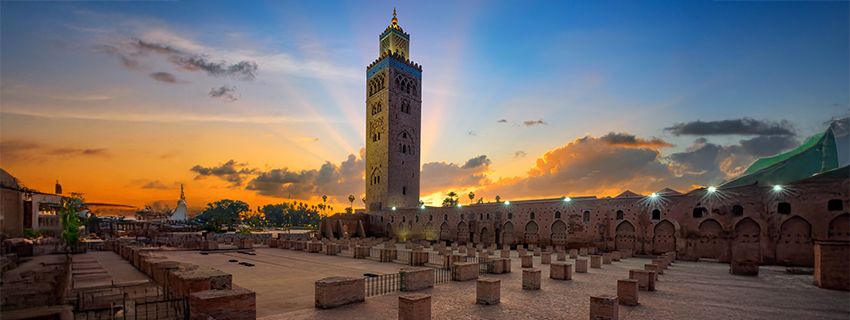
Spring in Morocco is often called the sweet spot of the year. Days are generally warm (around 20–25 °C) with cool nights after winter rains have greened the countryside. This season is perfect for outdoor adventures:
- Pleasant, mild weather: From March through May, daytime highs average in the low 20s °C, with blossoms and wildflowers everywhere. The Sahara Desert is very comfortable in spring – daytime highs around 20–30 °C and nights around 10 °C – ideal for luxury desert camps, stargazing and camel treks. Atlas Mountain trails are lush (with snowy peaks lingering into April
- Spectacular landscapes: Lush valleys and blooming roses (May’s M’Goun Valley Festival of Roses) make for vivid drives. Private road trips through the High Atlas or the Coastal plains are especially scenic as farms and gardens turn green.
- Cultural festivals: Spring hosts Morocco’s rich festivals. March brings the M’Hamid Nomad Festival (celebrating Sahara traditions) and desert cultural gatherings. April in Fez features the Moussem of Sufi Music, and in May the Rose Festival (El-Kelaa M’Gouna) fills the Valley of Roses with Amazigh music, making these experiences a highlight of a luxury itinerary.
- Smooth driving conditions: With clear skies and little rain, highways are reliably passable. Major routes (e.g. Marrakech–Ouarzazate via the Tizi n’Tichka pass) are open and scenic. Spring avoids winter’s mountain snow, so road-trippers can comfortably navigate both coasts and desert routes.
- Lower crowds and good rates: This shoulder season precedes the peak tourist influx, so heritage sites are less crowded. Luxury riads and high-end desert camps often have more availability (and sometimes lower rates) than in summer. In short, spring balances pleasant weather with fewer tourists.
Summer
Summer days are hot and sunny, especially inland. In cities such as Marrakech and Fez, daytime highs frequently exceed 40 °C in July–August. Despite the heat, summer has its appeal for luxury travellers seeking sun and sea:
- Coastal retreats: Summer is perfect for Morocco’s Atlantic coast. Seaside towns like Essaouira, Agadir, and Tangier offer consistent sea breezes and cool ocean swims (water temperatures near 25°C). Five-star beach resorts and seaside riads are ideal summer retreats. Even in August, Casablanca’s and Essaouira’s beaches are pleasantly warm.
- Mountain escapes: The High Atlas and Rif Mountains stay relatively mild. Ouarzazate and the Atlas foothills become verdant in summer, with waterfalls (Ouzoud, Todra Gorge) providing refreshing dippers. A luxury mountain lodge (like Amanjena or Kasbah Tamadot) offers cool alpine evenings.
- Festivals & nightlife: Summer is festival season. June in Essaouira brings the world-renowned Gnaoua World Music Festival, blending traditional and modern music. Late May to early June sees the Fes Festival of World Sacred Music. July hosts Jazzablanca in Casablanca and other cultural events. These add vibrancy to summer evenings – perfect for luxury travellers who enjoy music and fine dining under the stars.
- Road travel: All major roads remain open (no snow). However, schedules should adapt to heat: do most desert driving at dawn or dusk, and use highways during cooler hours. Coastal drives (such as Rabat–Tangier or Agadir–Essaouira) are delightful, with Atlantic breezes. Petty traffic can be heavier in beach towns, so book ferries (e.g. to Spanish enclaves) in advance.
- High-season crowds & costs: Summer is peak tourism on the coast and in the mountains. Luxury hotels and resorts are in high demand, especially in July and August. Prices typically peak. The interior cities are quieter (many locals vacation elsewhere), but inland sightseeing can be exhausting in the midday heat. For a luxury road trip, plan early departures, include plenty of beachfront or high-altitude stops, and secure accommodations well in advance.
Fall
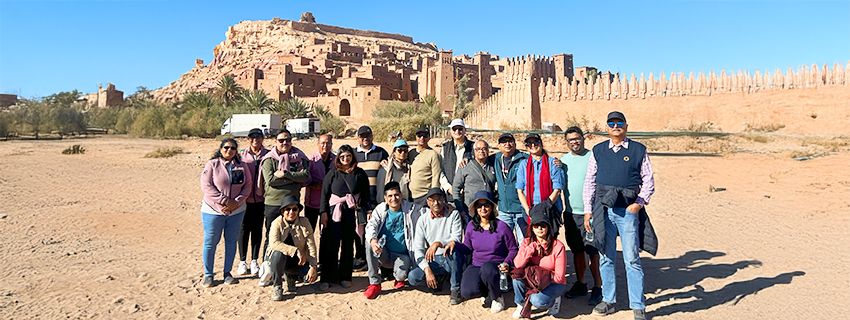
Autumn is another prime travel season in Morocco. Temperatures are moderate, with daytime highs in the mid-20s °C and nighttime lows around 14–15 °C. Summer’s heat subsides, and clear skies prevail:
Ideal weather: September often feels like a gentler summer – warm, dry and sunny, yet without the intense heat. By October and November, the days cool further (often 20–25 °C) while still offering abundant sunshine. Travellers praise this cooler, stable climate.
Outdoor adventures: The comfortable temps and clear skies make fall perfect for long drives. It’s an excellent time for Atlas treks (trekking conditions are “ideal” in autumn) or motor-camping in the desert (night temperatures are cooler, making overnight luxury camp comforters a bonus). Even coastal waters remain mild enough for swims, extending the beach season.
Cultural festivals: The Imilchil Marriage Festival (mid-September) in the High Atlas is a unique Berber celebration and a colourful spectacle. October features harvest festivals – for example, date-picking celebrations in Tinghir or Fes’s olive harvest events. In late November, Marrakech stages its glamorous International Film Festival (often in late November), attracting global stars and showcasing Moroccan culture.
Road & travel: Fall driving is excellent; all major highways are dry, and summer traffic has eased. The famous Marrakech–Ouarzazate (Tizi n’Tichka) road remains open and scenic into November. It’s wise to still avoid night driving on remote roads, but overall, conditions are very road-trip friendly.
Light crowds & deals: Autumn is a shoulder season, so crowds thin out after September. Famous sites such as Jemaa el-Fnaa and the Fes medina can be explored at a relaxed pace. Many luxury riads and desert camps offer off-peak rates from mid-October onward.
Winter
Winter in Morocco is surprisingly mild in the populated areas, making it perfect for a cosy luxury escape. Days are cool but pleasant (averaging 9–22 °C), and even in the desert the sun is comfortable:
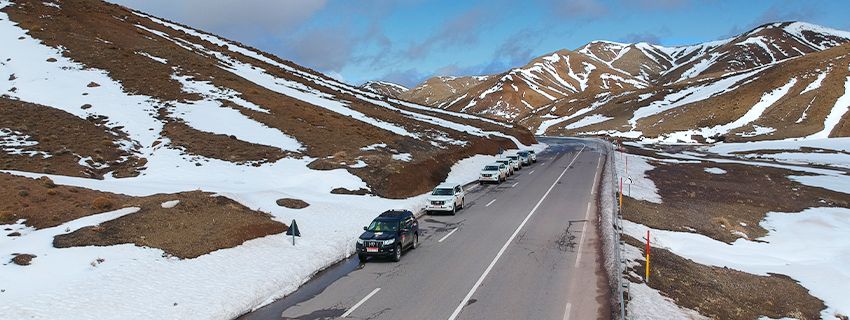
Mild cities, snowy peaks: In cities like Marrakech or Fez, you’ll find sunny days in the mid-teens (°C) and much fewer tourists. This off-season vibe means tranquil souks and “serene” cultural exploration. Meanwhile, the High Atlas becomes a winter wonderland – the Oukaïmeden ski resort opens from late December through February. Luxury lodges (e.g. Imlil Valley retreats) capitalise on snowy vistas and ski facilities.
Wintry Sahara: Daytime desert treks remain very doable in winter. Merzouga and Zagora enjoy warm sun (~20–25 °C) while nights dip to ~10 °C – cool, but cozy under luxury camp blankets. Starlit evenings and crisp mornings make for exceptional desert glamping. Importantly, winter has no oppressive heat, so all-terrain vehicles and 4x4 drives in the dunes are at ease.
Festivals: Winter brings Amazigh (Berber) cultural celebrations. In January many villages celebrate Yennayer with bonfires and family feasts. February’s Almond Blossom Festival in Tafraout (Anti-Atlas) features pink orchards, music, and markets. Although outside the strict Dec–Feb range, note that late November marks the start of Marrakech’s Film Festival. These events add local charm to a luxury winter itinerary.
Road travel: Driving conditions remain mostly excellent. Winter rains can occur in the north, but major highways are rarely closed. In general, clear winter light and empty roads make long drives spectacular.
Luxury perks: Winter is Morocco’s low season, so five-star hotels and villas are often less crowded and may offer special packages. Luxury desert camps are emptier, making each stay feel like a private retreat. Indoors, hotels pamper guests with fireplaces, hammams, and fine dining. In sum, winter offers a peaceful, culturally rich experience with the bonus of snow sports in the Atlas.
Written by
Damini Sharma
Damini has travelled the world solo, sometimes for work, primarily for self‑discovery, and now she explores full‑time! She enjoys slow, mindful travel & immerses herself in any country she visits. Working for AO, she transforms itineraries into adventures and destinations into dreams. Having explored the UAE, Indonesia, the Northeast, the Andaman Islands, and beyond, Damini writes from lived experience—capturing the sights, sounds, and soul of each journey. Whether drafting court‑worthy briefs or breathtaking travel blogs, Damini crafts experiences that invite readers to step into memory, embrace wonder, and discover deeper human connections.