- Ultimate Scandinavia Guide | The Best Time & Places to Visit
- Best Time to Visit Scandinavia to See the Northern Lights
- Best Time to Visit Scandinavia for Road Trips
- Best Time to Visit Scandinavia for Quieter Travel
- Best Time to Visit Scandinavia for Families
- Top 9 Places to Visit in Scandinavia
- What to Pack | Scandinavia Road Trip Guide
- Final Thoughts: Why September is the Best Time to Visit Scandinavia
Ultimate Scandinavia Guide | The Best Time & Places to Visit
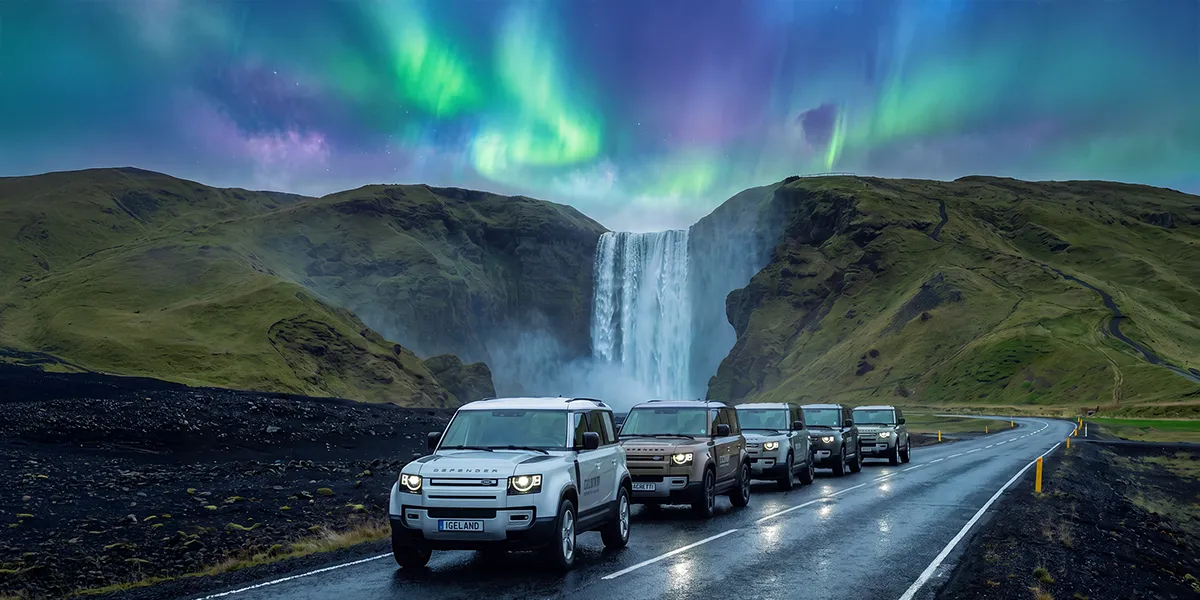
Scandinavia – which generally includes Norway, Sweden, and Denmark, and often Finland as part of the Nordic region- is a year-round destination with something unique in every season. The best time to visit Scandinavia really depends on what you want to experience, whether it's mild weather, Northern Lights, vibrant festivals, or crowd-free sightseeing. However, many travellers find that late September to October hits a sweet spot. This period offers a blend of comfortable autumn weather, brilliant fall foliage, fewer tourists than the summer peak, and even a chance to catch the Northern Lights as the nights grow darker. In this guide, we’ll break down the best times to visit Scandinavia for various interests, highlight top places to visit, things to do in Scandinavia, and tips for an epic road trip Scandinavia adventure.
Best Time to Visit Scandinavia to See the Northern Lights
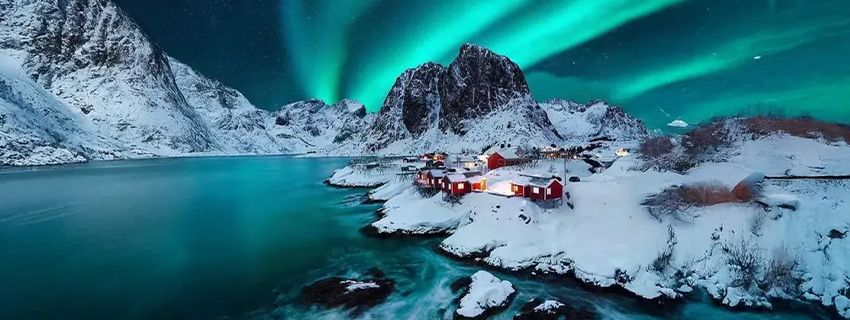
One of the most magical experiences in Scandinavia is witnessing the Northern Lights (Aurora Borealis) painting the sky. If catching this phenomenon is on your bucket list, summer is actually not the time to go – you need dark, clear night skies to see the aurora. Instead, the best time to see Northern Lights in Scandinavia is from fall through winter, roughly late September or October through March, when nights are long and dark. The aurora season typically kicks off in the autumn and is one of the best things to do in Scandinavia.
By late September, the Arctic skies are dark enough and often clear, giving you a chance to spot the first green ribbons shimmering overhead. Many travellers love October in places like northern Norway, Swedish Lapland, or Finnish Lapland, because it allows for a combination of aurora spotting with milder early-winter weather (before the deepest cold of January sets in). According to travel experts, the months of October to March offer the best opportunities to see the Northern Lights, dancing in the sky.
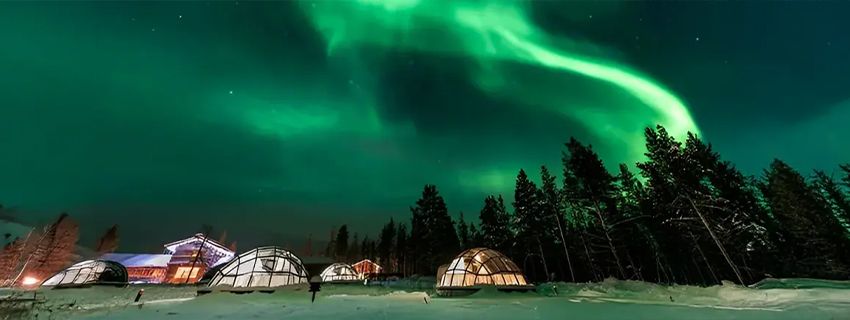
For the best viewing experience, head to Scandinavia’s far north: Northern Norway, Swedish Lapland, or Finnish Lapland are top spots within or above the Arctic Circle. Here, you’ll find dedicated Northern Lights Scandinavian self-drive tours and unique accommodations, such as glass igloos and remote cabins, that allow you to gaze at the sky from your bed. By day, daylight hours in winter may be short, but you can enjoy activities like dog sledging, snowmobiling, or visiting Santa’s Village in Rovaniemi. Come nightfall, keep your eyes on the heavens (or let an aurora alarm wake you) for those ethereal green and purple waves.
Since road conditions, daylight hours and border crossings vary significantly across Norway, Sweden and Finland, timing your journey matters most when planning an International Road Trip through Scandinavia.
Best Time to Visit Scandinavia for Road Trips
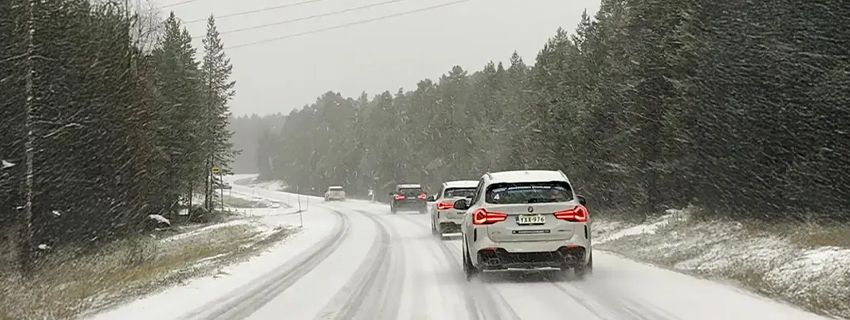
Dreaming of hitting the open road to explore Scandinavia’s fjords, forests, and scenic villages? The best time for a Scandinavia road trip is generally summer, when all roads are open and the weather is cooperative. June, July, and August are ideal months to drive through the region, as you’ll enjoy long daylight (great for extended driving hours or late-evening sunsets on the road) and you won’t have to worry about snow or ice in most areas. The mountain passes in Norway are typically snow-free in summer, and attractions in small towns are open to welcome road-trippers. You can even experience the famous Midnight Sun in the far north, meaning it never truly gets dark – a surreal perk for adventurous drivers!
However, summer is also the primary travel season for many Europeans so that popular routes will be at peak activity. Many iconic driving routes, like Norway’s Atlantic Ocean Road (with its dramatic bridges over the sea) or the mountain passage to Nordkapp (North Cape), are far more enjoyable (and safer) in summer or early fall. By planning a trip in late September to October, you might even get a mix of seasons – imagine starting your drive with fall colours and ending it with a dusting of early snow in the high Arctic! Just be sure to pack layers (see our packing tips below) and enjoy the freedom of the open road.
Best Time to Visit Scandinavia for Quieter Travel

Scandinavia is very popular with travellers – for excellent reasons – but not everyone loves crowds. If you dream of a quieter holiday, consider the shoulder seasons. The shoulder seasons in spring (May) and fall (September) offer the perfect opportunity to experience the natural wonders in peaceful reflection. During these periods, you’ll encounter fewer tourists and shorter lines, making it easier to capture photos without too many distractions.
In fact, outside of the summer rush, spring and fall are often the cheapest times to visit Scandinavia, with lower prices on flights and hotels. For those seeking both decent weather and tranquillity, early fall (late August through September) is especially attractive.
September brings crisp air, autumn colours, and a relaxed vibe – it’s a shoulder season that still offers fair weather but with minimal crowds at attractions. Similarly, May can be lovely: flowers bloom and days grow longer, yet tourist numbers remain low. Visiting in these quieter months lets you enjoy popular sites like Bergen’s fjords or Stockholm’s museums without jostling through peak-season tour groups. But overall, if you value a relaxed pace and maybe even some shoulder-season travel deals, late September to October is ideal – you’ll relish peaceful hiking trails, cosy cafés, and perhaps even feel like you have the stunning scenery all to yourself.
Best Time to Visit Scandinavia for Families

The best time to visit Scandinavia for families – whether young kids, teenagers, or grandparents – is rewarding and surprisingly stress-free. For most families, the summer holidays are the best time to visit Scandinavia. July and August offer mild weather that’s comfortable for all ages, and it’s when everything is open and accessible. You’ll find outdoor parks, amusement parks, and open-air museums in full swing. In Denmark, for example, Tivoli Gardens in Copenhagen (one of the world’s oldest amusement parks) is buzzing with summer fun.
In Sweden, kids can enjoy the Astrid Lindgren theme park or Stockholm’s Skansen zoo. In Norway, you can ride the Flåm railway or take fjord cruises without worrying about heavy clothing or weather delays, making it the best time to visit Scandinavia for families. The long daylight hours also mean you can fit in more sightseeing before anyone’s bedtime – in mid-summer, the sun in Stockholm or Oslo may not set until 10 or 11 PM.
Santa’s Village in Rovaniemi, Finland, is a winter wonderland for families – complete with snow, reindeer, and the real Santa Claus! If your family’s schedule allows, the shoulder periods of late June or early September can also be great times. By late June (just before local schools break up around Midsummer) or early September (right after they resume), you’ll still get favourable weather but with a bit more breathing room at attractions. For instance, early September trips mean still-warm days and fewer people at popular sites – a win-win if you have very young children not yet in school. What about winter? While winter isn’t the typical time for a family trip, December in Scandinavia can be utterly magical for kids. If your family doesn’t mind the cold and dark, you could consider a Christmas trip to meet Santa and experience holiday traditions.
Top 9 Places to Visit in Scandinavia

Encompassing four countries, Scandinavia offers a wealth of destinations. Whether you’re into natural landscapes or cultural cities, the challenge is narrowing down what to see! Here are some of the best places to visit in Scandinavia, along with what makes them special.
1. Oslo, Norway – Scandinavia’s great cities are not to be missed, and Oslo is the best place to visit in Scandinavia. Norway’s capital is a green, family-friendly city that blends modern urban life with nature. You can admire the surrounding forests and fjord from parks in the town, and visit world-class museums (the Viking Ship Museum and the new MUNCH art museum are highlights). Oslo’s mix of cutting-edge architecture and Viking history really gives you a flavour of Scandinavia’s past and present.
2. Bergen, Norway & The Fjords – If you love dramatic scenery, Bergen and the nearby fjords are the best place to visit in Scandinavia. Bergen is a historic harbour city known as the "Gateway to the Fjords." Its old wharf, Bryggen, is a UNESCO World Heritage site featuring colourful wooden buildings that go back to its Hanseatic trading days. Take a funicular up Mount Fløyen for panoramic views, or use Bergen as a base to explore Norway’s longest fjord, Sognefjord, and the stunning Nærøyfjord branch. This region is also great for hikes to viewpoints and experiencing Norway’s famous fjord landscapes.
3. Stockholm, Sweden – Spread across 14 islands, Stockholm is an enchanting mix of historic charm and modern style. Its 13th-century old town, Gamla Stan, is a must with cobblestone lanes, cafes, the Royal Palace, and the Nobel Prize Museum. Stockholm is also home to unique attractions, such as the Vasa Museum, which showcases a salvaged 17th-century warship. And if you have time, take a boat tour among the Stockholm archipelago – thousands of rocky islands and islets extend right from the city into the Baltic Sea.
4. Copenhagen, Denmark – The Danish capital combines fairytale charm with Scandinavian cool. In Copenhagen, you can visit royal palaces like Amalienborg (home of the Danish Royal Family) and the Renaissance Rosenborg Castle, as well as iconic sites like the Little Mermaid statue on the harbour. The city’s compact centre is perfect for walking or biking – pop by the colourful Nyhavn waterfront to see its 17th-century buildings and enjoy a canal-side ice cream. For families, Tivoli Gardens amusement park is a delight, with rides old and new, beautiful gardens, and nightly illuminations.
5. Lapland (Northern Finland/Sweden) – Venture into Lapland for an Arctic adventure. A top pick here is Rovaniemi in Finnish Lapland – famous as the official hometown of Santa Claus. You can meet Santa in his village year-round and stand on the Arctic Circle line. Rovaniemi also boasts the Arktikum Museum, which showcases Arctic life and the Sámi indigenous culture. Beyond Santa, Lapland’s appeal lies in its wilderness: in autumn, the forests burst into a golden “ruska” foliage, while in winter, it’s a snowy playground for husky sledging, reindeer sleigh rides, snowmobiling, and chasing the Northern Lights.
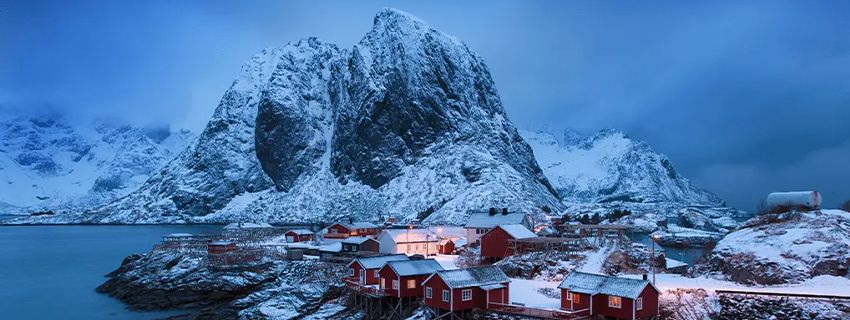
6. Lofoten Islands, Norway – For those seeking raw natural beauty, Lofoten is unbeatable. This Arctic archipelago is known for its dramatic peaks, sheltered bays, and red fishing cabins on stilts. Lofoten’s scenery is jaw-dropping – imagine sharp mountain ridges rising straight out of the sea, with little villages like Reine and Henningsvær nestled between them. In summer, it’s an excellent place for bird watching (puffins and sea eagles abound) and enjoying the midnight sun.
7. Atlantic Ocean Road, Norway – Often called one of the world’s most beautiful drives, the Atlantic Ocean Road winds across a series of dramatic bridges that leap from island to island on Norway’s west coast. The road hugs the ocean so closely that waves sometimes crash right over it during storms. It’s a must for road-trippers seeking breathtaking coastal views and a unique driving experience.
8. Nordkapp (North Cape), Norway – Known as the northernmost point of Europe accessible by road, Nordkapp is a bucket-list destination. Standing on the cliff edge where the Arctic Ocean stretches endlessly before you is an awe-inspiring moment. Visiting in late September to October, you can enjoy dramatic skies, fewer tourists, and even a chance to see the Northern Lights.
9. Tromsø, Norway – Nicknamed the “Gateway to the Arctic,” Tromsø is a vibrant city situated amidst fjords and mountains. It’s one of the best places to see the Northern Lights, with numerous Scandinavian self-drive tours departing into the wilderness. By day, you can explore cultural highlights like the Arctic Cathedral, take a fjord cruise, or ride the Fjellheisen Cable Car for sweeping views. In autumn, Tromsø combines crisp air, cosy cafés, and a vibrant Arctic spirit.
What to Pack | Scandinavia Road Trip Guide
Preparing for a Scandinavia road trip requires packing smart for a range of conditions. Here’s a quick checklist of essential things to carry on a Scandinavian Road trip.
- Layers of Warm Clothing and Rain Gear: Scandinavian weather can be unpredictable. Pack sweaters, long pants, and a waterproof rain jacket or windbreaker for comfort.
- Comfortable, Sturdy Footwear: You’ll likely do a lot of walking – whether it’s cobbled city streets, forest trails, or scenic outlooks on road trip stops. Bring comfortable walking shoes or hiking boots that are water-resistant.
- Travel Adapter and Electronics: Scandinavian countries use the standard European Type C/F plugs (230V). Carry a travel adapter, a portable power bank, and a downloaded offline Google Map or GPS device.
- Road Trip Basics: Carry a reusable water bottle (tap water in Scandinavia is clean and drinkable everywhere). Snacks are a good idea, especially if you’re driving long stretches. Sunglasses are surprisingly necessary – summer glare or winter snow reflections can be intense. And consider bringing a small first aid kit and a motion sickness remedy if winding mountain roads tend to bother you.
- Essential Documents: Always have your driver’s license (an International Driving Permit is recommended if you’re from outside the EU), car rental documents, insurance papers, and passport. It’s smart to have copies (digital or paper) of these as backup.
Final Thoughts: Why September is the Best Time to Visit Scandinavia
Every season in Scandinavia has its allure, but late September to October truly offers a unique blend of benefits that make it arguably the best time to visit Scandinavia. During this period, you experience a beautiful autumn transition – forests across Sweden, Norway, and Finland glow with fall colours, and the crisp air is perfect for hiking and sightseeing. Late September to October is also a time of cosy cultural experiences in Scandinavia. It’s harvest season, so that you might stumble on local food festivals (for example, Sweden’s apple harvest markets in September).
Safe travels or, as they say in Swedish, trevlig resa!
Written by
Damini Sharma
Damini has travelled the world solo, sometimes for work, primarily for self‑discovery, and now she explores full‑time! She enjoys slow, mindful travel & immerses herself in any country she visits. Working for AO, she transforms itineraries into adventures and destinations into dreams. Having explored the UAE, Indonesia, the Northeast, the Andaman Islands, and beyond, Damini writes from lived experience—capturing the sights, sounds, and soul of each journey. Whether drafting court‑worthy briefs or breathtaking travel blogs, Damini crafts experiences that invite readers to step into memory, embrace wonder, and discover deeper human connections.