Discovering Bhutan: Land of the Thunder Dragon
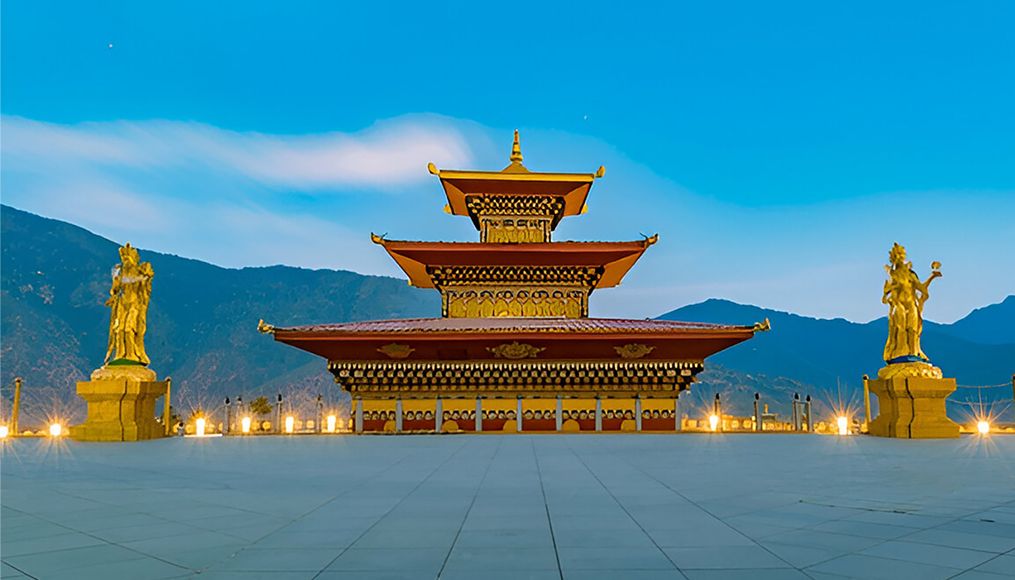
Bhutan, the Land of the Thunder Dragon, enchants travellers with its rugged mountain landscapes, ancient dzongs (fortresses), hillside monasteries, and deeply rooted cultural traditions. In Paro, the cliff-hanging Taktsang Monastery—also known as the Tiger’s Nest—stands as a breathtaking symbol of Bhutan’s seamless blend of nature and faith. Nearby, Thimphu pulses with life as the capital, while the remote Haa Valley, until recently hidden from outsiders, reveals untouched beauty and cultural depth. At the spiritual heart of Bhutan lies Bumthang, a valley renowned for its pilgrimage sites, lush meadows, and vibrant festivals.
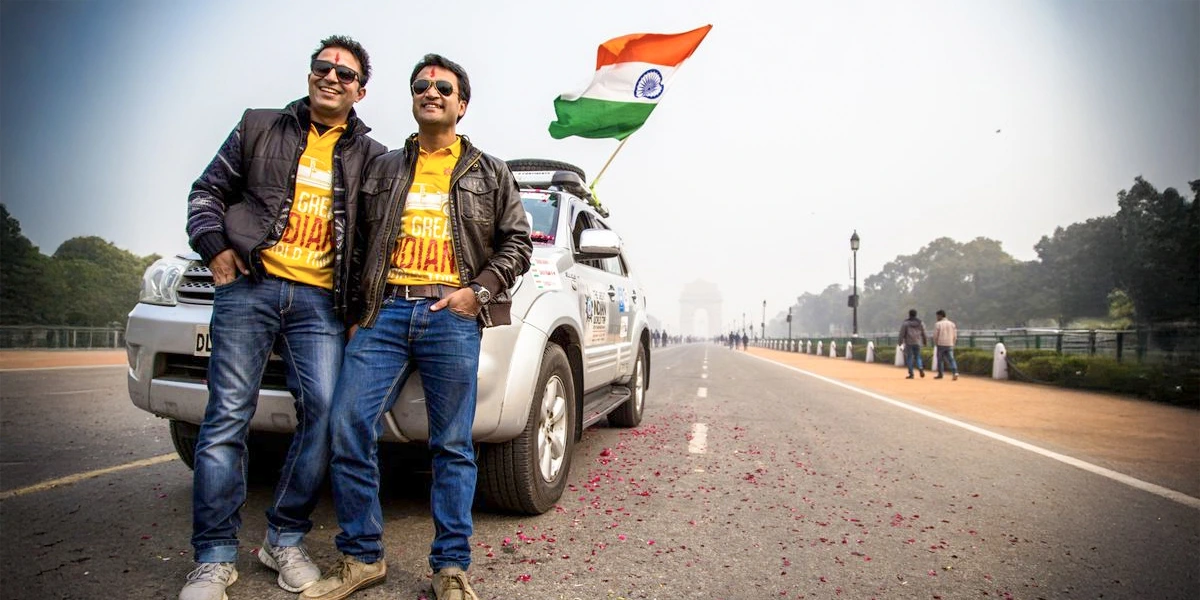
Many travellers begin their journey by entering Bhutan through Siliguri (India) and Phuentsholing, then embark on a trip through Thimphu, Punakha, Paro, and finally Bumthang on a self-drive road trip in Bhutan. Along this evocative route, one crosses the mist-shrouded Dochula Pass, dotted with 108 chortens, and gazes out at sweeping Himalayan panoramas. From the soaring heights of Tiger’s Nest to the sacred temples and colourful valleys of Bumthang, Bhutan unveils a rich tapestry of experiences waiting to be explored on your Bhutan trip from India.
History of Bumthang
Bumthang’s history is intrinsically linked to the early spread of the Himalayas' Vajrayana Buddhism in Bhutan. Legend recounts that Songtsen Gampo, a 7th-century Tibetan king, built Jambay Lhakhang, which is believed to be one of his legendary 108 temples, when he first introduced Buddhism to the region. Later, in 746 AD, King Sindhu Raja, living in exile in Bumthang, invited Guru Padmasambhava (Rinpoche) to heal him. Through spiritual mastery, Guru Rinpoche is said to have tamed local spirits and led the king to embrace the Himalayas' Vajrayana Buddhism. Thus, Bumthang earned its reputation as the region “where Buddhism first took root in Bhutan.”
Over the centuries, Bumthang evolved into a centre of Buddhist learning and royal authority. In the 15th century, Pema Lingpa, the revered treasure-revealer (terton), emerged from this region. His spiritual legacy continues to influence Bhutan’s religious life. Many sacred sites in Bumthang are steeped in lore—Kurjey Lhakhang features a cave with Guru Rinpoche’s body imprint, and traditional fortress-monasteries like Jakar Dzong were built (and rebuilt) to guard the valley. Today, Bumthang’s identity reflects both its ancient spiritual heritage and its bond with the monarchy.
Best Time to Visit Bumthang
The best seasons to visit Bumthang are spring (March to May) and autumn (October to November). In spring, rhododendrons bloom in vivid colours, and the skies are clear. Autumn offers crisp air and cultural vibrancy, making it the best time for a Bhutan trip from India. Both seasons are ideal for outdoor activities like hiking, temple visits and a Bhutan road trip.
Winters bring freezing nights, and high mountain passes may be snowbound. Monsoon months (June to August) bring heavy rainfall. For the most memorable weather and festival experiences during your Bhutan trip from India, plan your visit for spring or autumn.
How to Reach Bumthang Valley?
Bumthang (Jakar town) is accessible by air or road.
• By Air: Domestic flights from Paro land at Bathpalathang Airport, near Jakar. Carriers include Druk Air and Bhutan Airlines. Flight schedules may vary with the weather.
• By Road: The journey from Thimphu or Paro takes approximately 8–10 hours via winding mountain passes, including Pele La and Yotong La. Private cars are faster; buses are budget-friendly. Many travellers from India begin via Siliguri, cross into Bhutan at Phuentsholing, and proceed through Thimphu → Punakha → Paro → Bumthang. Dochu La Pass, with its 108 chortens, is a scenic highlight on this route. Note: All foreign visitors must travel through a licensed tour operator and obtain a visa before arrival.
Places to Visit in Bhutan
Bumthang’s four valleys are rich with temples, palaces, and natural marvels and here are some of the must-visit sites on your self-drive tour of Bhutan:
• Kurjey Lhakhang: Regarded as the holiest site, featuring a cave with Guru Rinpoche’s imprint. This three-tiered temple complex stands where he meditated and remains a revered pilgrimage spot.
• Jambay Lhakhang: A 7th-century temple, among the oldest in Bhutan. Built to subdue a demoness, it hosts the fiery Jambay Lhakhang Drub festival every November, with masked dances and fire rituals.
• Tamshing Monastery: Founded by Pema Lingpa in 1501, it is renowned for its vibrant murals and rich dance traditions. The monastery’s interior feels alive with sacred artistry and spiritual history.
• Jakar Dzong: Built in 1667 (rebuilt later), this fortress overlooks Choekhor Valley. Known as the "White Fortress," it houses the local government and reveals breathtaking architecture.
• Ogyen Choling Palace & Museum: A 14th-century heritage home in Tang Valley turned cultural museum. It features artefacts, textiles, and living stories from Bhutan’s noble past.
• Ura Valley: High and remote, Ura is known for yak herding and traditional cheese-making. Stone homes and lush grassy meadows evoke a timeless charm; the Ura Yakchoe festival adds a lively cultural flair.
• Tang Valley & Burning Lake (Mebar Tsho): Tang Valley is lush and green, home to the sacred Mebar Tsho, where legend has it that Pema Lingpa retrieved treasures. The lake’s mystical quality lingers amid prayer flags and forested slopes.
• Kunzangdrak and Choedrak Monasteries: Located high above Tang Valley, these were meditative retreats of Pema Lingpa and Gyalwa Lorepa. The hikes are challenging, the views unforgettable, and the sanctity palpable.
• Tharpaling Monastery: Situated overlooking Chhume Valley, this stupa-like monastery, founded by Pema Lingpa, offers serene reflection and breathtaking views. It’s a more peaceful, less-travelled spiritual retreat.
• Buddha Dordenma: Perched atop Thimphu’s hills, the Buddha Dordenma stands as a majestic 54-meter (approximately 169 feet) gold-clad statue visible from across the valley. It houses over 125,000 more miniature bronze Buddhas gilded in gold, symbolising peace and prosperity. Set within the tranquil Kuensel Phodrang Nature Park, this iconic statue seamlessly blends spiritual serenity with breathtaking panoramic views of the Thimphu Valley.
• Taktsang Palphug Monastery (Tiger’s Nest): One of the most revered pilgrimage sites in the Himalayas, Taktsang Monastery perches dramatically on a cliff about 900 meters above Paro Valley — the starting point of the Jomolhari Trek. It offers a profound cultural and spiritual experience, serving as a highlight in many Bhutan trip packages, and reflecting the country’s enduring traditional values.
• Punakha Dzong: Known as the “Palace of Great Happiness, Punakha Dzong was built in 1637 by Zhabdrung Ngawang Namgyal. Nestled at the confluence of the Pho Chhu and Mo Chhu rivers, it showcases stunning Bhutanese architecture amid fertile valleys. Its serene surroundings and cultural importance make it essential for any Bhutan travel itinerary.
• National Memorial Chorten (Thimphu): Built in memory of Bhutan’s third king, this chorten (stupa) honours world peace. It has become an active site of devotion where locals circumambulate it daily. Its architectural elegance and spiritual significance make it one of the best places to witness Bhutanese culture in Thimphu.
• Punakha Suspension Bridge: One of the longest suspension bridges in Bhutan, stretching roughly 520 feet, it offers both adventure and scenic charm. Spanning the river valley, it offers terrific views of the water below and the surrounding rolling hills.
• National Museum, Paro: Located in a former watchtower, this museum provides a captivating journey into Bhutan’s rich culture, history, and traditions. Its exhibits include antiques, artworks, and artefacts that illuminate the country’s rich past—an essential visit for cultural travellers.
• Jigme Dorji National Park: A natural paradise famed for biodiversity, this park is home to Bhutan’s national animal, the takin, and the delicate blue poppy. With over 300 bird species and the opportunity to see snow leopards and Bengal tigers, this wildlife sanctuary showcases conservation and wilderness.
• Phobjikha Valley: A glacial bowl-shaped valley in the Black Mountains, Phobjikha is a biodiversity haven. It’s best known for the wintering black-necked cranes and is rich in flora and fauna, including bears, leopards, and foxes. Its natural beauty and wildlife are highlights in many Bhutan tour packages.
• Chimi Lhakhang Temple: Known as the "Temple of Fertility," this shrine is dedicated to Lama Drukpa Kunley, also known as the “Divine Madman.” Located at the edge of the Lobesa Valley, it is widely visited by couples seeking blessings for children. Surrounded by rice fields, it offers both spiritual depth and a charming rural atmosphere.
• Royal Manas National Park: Bhutan’s oldest national park, located in the south, is a wildlife enthusiast’s dream. With elephants, Bengal tigers, and over 365 bird species, the park offers safari rides and river boating in vibrant tropical forests. Including it ensures an unforgettable adventure and a deep immersion in nature.
• Jomolhari Laya Gasa Trek: One of Bhutan’s most scenic and challenging treks, this route traverses dense pine forests, alpine meadows, and high passes, offering stunning views of Mt. Jomolhari and Mt. Jichu Drake. It traverses remote villages, dotted with temples and monasteries, offering an immersive experience of Bhutanese village life
• Best seasons: April–June & September–November. Each location reveals a distinct aspect of Bumthang’s spiritual tapestry—legacies of saints, natural beauty, and a continuity of faith that keeps the valley alive.
Suggested Read: Best places to visit in Bhutan.
Things to Do in Bhutan
- Discover Ancient Temples: Explore more than just the famous sites—discover small chapels, rock carvings, and monastic colleges hidden in the hills.
- Reflect at Burning Lake (Mebar Tsho): The sacred pool in Tang Valley invites quiet reflection amid prayer flags and legends.
- Trek or Bike Scenic Trails: Whether it’s the multi-day Owl Trek or shorter loops to monasteries like Choedrak, every trail is rich with scenery and cultural significance.
- Immerse in Local Crafts: In Jakar’s markets and village workshops, you’ll see artisans weaving yak wool scarves, carving wooden bowls, painting thangkas, and fashioning paper-mâché masks.
- Savour Bumthang’s Flavours: Buckwheat dishes, such as noodles (puta) and pancakes (khuli), rich local cheeses, wild honey, and yak hotpots, make up a hearty culinary palette.
- Wander Through Ura Valley: Visit the cheese factory, wander through stone-laned villages, and time your visit for the vibrant Ura Yakchoe festival (February).
- Embrace Adventure: Try archery, catch a river rafting excursion during summer melt, go mountain biking, or horseback ride through scenic meadows.
Religion in Bhutan
Bumthang is a centre of the Himalayas' Vajrayana Buddhism, influenced by legends of Guru Padmasambhava and treasure-revealers like Pema Lingpa. The Nyingma and Drukpa Kagyu lineages are the dominant ones in the region. Shrines, chortens, rivers, and mountains are sacred – a reflection of older Bon traditions that respect nature in its entirety. Centuries-old stories—like Guru Rinpoche taming mountain spirits at Kurjey—are commemorated in festivals, rituals, and temple art. Masked Cham dances and tshechus are not tourist performances but significant enactments of spiritual myth and living faith.
Shopping in Bhutan
Bumthang markets are full of authentic cultural crafts.
- What to Buy: Handmade yak-wool scarves (zhabkha), thangka paintings, wooden bowls, pottery, paper-mâché masks, cast-metal statues, local cheese, and wildflower honey are some of the top things to look for on your Bhutan Road Trip.
- Where to Shop: Jakar’s Thromde Market is a lively weekly bazaar, and Ogyen Choling Palace museum has quality handicrafts, making it a perfect spot for collecting souvenirs.
- Tips:
- Bargain Politely: A little haggling is acceptable in local markets, but always do it respectfully and with a smile.
- Carry Cash: Many rural shops and stalls don’t accept cards, so it’s best to keep enough local currency on hand.
- Check Authenticity: When buying handicrafts or souvenirs, look for TIC (Tourism Council of Bhutan) quality labels to ensure they are genuine.
- Be Culturally Aware: Remember that sacred or antique items hold deep spiritual value, so purchase them thoughtfully and with sensitivity.
- Support Villagers: Choose to shop from cooperatives, temple bazaars, or women’s groups, as your purchases directly benefit the local community.
Festivals & Culture
Festivals in Bumthang are vibrant expressions of faith.
- Jambay Lhakhang Drup (November): This festival lights up Bumthang with fiery dances, sacred Cham rituals, and lively community gatherings in the temple courtyard.
- Ura Yakchoe (February): Dedicated to Guru Rinpoche, it features masked performances set against open fields and village arenas, creating a colourful spectacle of faith and folklore.
- Smaller Rituals: Throughout the year, rituals such as Lhabsangs (purification rites), monk blessings, and local ceremonies take place, blending Buddhist practices with older animist traditions.
- Community Life: Festival time is when locals don their finest gho and kira, share lavish feasts, enjoy spirited archery matches, and showcase traditional crafts, turning the valleys into hubs of culture and celebration.
Bhutan Travel Guidelines for Indian Travellers
Planning a Bhutan escape from India? Here’s a quick guide to enter smoothly, drive confidently, and enjoy responsibly.
Entry & Documents
- No visa is required for Indian nationals; an entry permit is necessary.
- Carry Passport (6+ months validity) or Voter ID.
- Minors (<18 yrs): Original birth certificate or passport; must travel with a legal guardian.
- Keep two passport photos and printouts of bookings handy.
- Travel insurance covering the whole trip is mandatory.
How to Plan Your Trip
- Travel independently or via a local tour operator.
- If going DIY, arrange-
- Online entry permit (pre-approval recommended)
- Department of Tourism–certified hotels for your entire stay
- A licensed Bhutanese guide
- Insurance and local transport confirmations
Sustainable Development Fee (SDF)
- SDF: Nu./₹ 1,200 per person per night
- Children ≤5 yrs: Exempt
- Children 6–12 yrs: 50% concession
Driving Your Own Vehicle (including two-wheelers)
- Allowed with a fee of Nu. 4,500 per day, payable at the port of entry after document and vehicle checks.
- Register on CPMS (Royal Bhutan Police) for checkpoint clearance.
- Carry originals: Driving Licence, RC, valid insurance, emission & roadworthiness.
- Vehicle age: Ideally ≤10 years from date of registration.
- If the driver is not the owner, keep an authority letter from the owner.
Smart Checklist (Print & Pack)
- ID (Passport/Voter ID), entry permit approval, hotel & guide confirmations
- Travel insurance policy copy
- For self-drive: DL, RC, insurance, PUC/emission, roadworthiness, owner’s consent letter
- Cash/card for SDF and road fees; a few passport photos
On-Ground Etiquette
- Dress modestly at religious sites; follow your guide’s instructions.
- Keep permits available at checkpoints.
- Stick to certified hotels and marked trails to protect local ecology.
Bottom line: Sort your documents, pre-book certified stays and a guide, ensure your trip, and—if you’re driving—clear the vehicle formalities in advance. Do this, and Bhutan welcomes you with serene monasteries, pristine valleys, and a hassle-free journey. Get ready to shift gears into an adventure on your self-drive tour of Bhutan.
Written by
Damini Sharma
Damini has travelled the world solo, sometimes for work, primarily for self‑discovery, and now she explores full‑time! She enjoys slow, mindful travel & immerses herself in any country she visits. Working for AO, she transforms itineraries into adventures and destinations into dreams. Having explored the UAE, Indonesia, the Northeast, the Andaman Islands, and beyond, Damini writes from lived experience—capturing the sights, sounds, and soul of each journey. Whether drafting court‑worthy briefs or breathtaking travel blogs, Damini crafts experiences that invite readers to step into memory, embrace wonder, and discover deeper human connections.