- Why Visit Cambodia?
- Cambodia Distance from India - How Far Is It, Really?
- The Best Time to Visit Cambodia from India
- Where to Go in Cambodia - The Places That Matter
- Phnom Penh
- The Cardamom Mountains
- Battambang
- Siem Reap and the Angkor Complex
- The Cambodia Road Trip from India - Why Driving Changes Everything
- Adventures Overland's Cambodia Overland Expedition
- What Makes This Different from a Regular Cambodia Trip?
- Transport in Cambodia - Getting Around
- Cambodia Food Guide for Indian Travellers
- Practical Information for Indian Travellers
- Final Thoughts
Most people discover Cambodia through a photograph of Angkor Wat at sunrise - five stone towers reflected in still water, the sky turning from black to gold. But Cambodia is not a single photograph. It's a country of jungle-covered mountains, floating villages, war-scarred cities that have rebuilt themselves with extraordinary grace, and back roads that most visitors never see because they never leave the tour bus.
This Cambodia travel guide is for the traveller who wants to go deeper - who wants to understand not just where to go, but how to experience the country in a way that stays with you long after the flight home. And if you're the kind of person who believes the best way to discover a country is from behind the wheel, there's a section here that was written specifically for you.
Why Visit Cambodia?
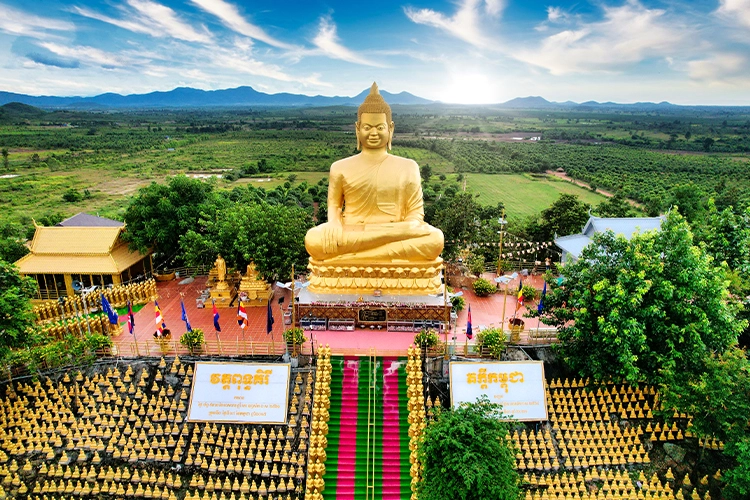
The short answer: because it offers something almost no other country in Southeast Asia can, and by that I mean ancient grandeur, raw natural beauty, profound history, and the feeling of genuine discovery, all without the over-tourism that has overtaken parts of Thailand, Bali, and Vietnam.
Angkor Wat is the largest religious monument on the planet - a 12th-century Khmer temple complex that covers more ground than some European cities. But beyond Angkor, Cambodia has the Cardamom Mountains (one of Southeast Asia's last great wilderness areas), the Tonle Sap (the largest freshwater lake in the region), coastlines that rival anything in the Gulf of Thailand, and an underrated food culture.
The Khmer Rouge era, when nearly two million Cambodians were killed between 1975 and 1979, has left a mark that the country carries openly. Visiting the Tuol Sleng Museum and the Killing Fields in Phnom Penh is essential as it gives everything else you see in Cambodia a depth that changes how you experience the temples, the countryside, and the people.
For Indian travellers specifically, Cambodia feels surprisingly familiar in some ways - the Hindu and Buddhist iconography at Angkor, the warmth of the people, the way life spills onto the streets while being different enough to feel like genuine exploration. The visa process is simple, the costs are manageable, and the Cambodia distance from India is shorter than most people assume.
Cambodia Distance from India - How Far Is It, Really?
The aerial distance from Delhi to Phnom Penh is approximately 3,440 kilometres, which is roughly the same as Delhi to Kuala Lumpur. From Mumbai, it's about 3,800 kilometres.
There are currently no direct flights from India to Cambodia. Most routes connect through Bangkok, Kuala Lumpur, Singapore, or Ho Chi Minh City. Bangkok is the most common, and usually the most affordable hub, and the connection adds about 2-3 hours, making total travel time from Delhi or Mumbai around 7–9 hours including the layover. Booking six to eight weeks in advance, especially for the peak November–February window, tends to get the best fares.
Fly into Siem Reap if temples are your priority, or Phnom Penh if you want to start with the capital and work your way north. If you're joining an overland expedition (more on that shortly), Phnom Penh is typically the starting point, which makes geographic sense for a road trip that moves through the interior toward Siem Reap.
The Best Time to Visit Cambodia from India
Cambodia's climate breaks into three seasons, and the one you choose changes the trip significantly.
November to February (dry season, 25–30°C)
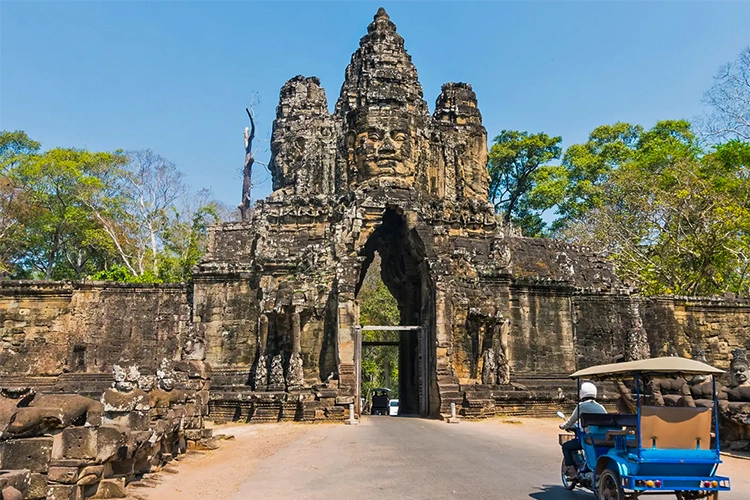
These are the most comfortable months for travel. Clear skies, manageable humidity, and the best conditions for temple exploration and road trips. This is also peak tourist season, and Angkor Wat gets busy, and accommodation prices rise. For Indian travellers, this window lines up well with the Diwali to New Year holiday stretch and the general winter travel season.
March to May (hot season, 35–42°C)
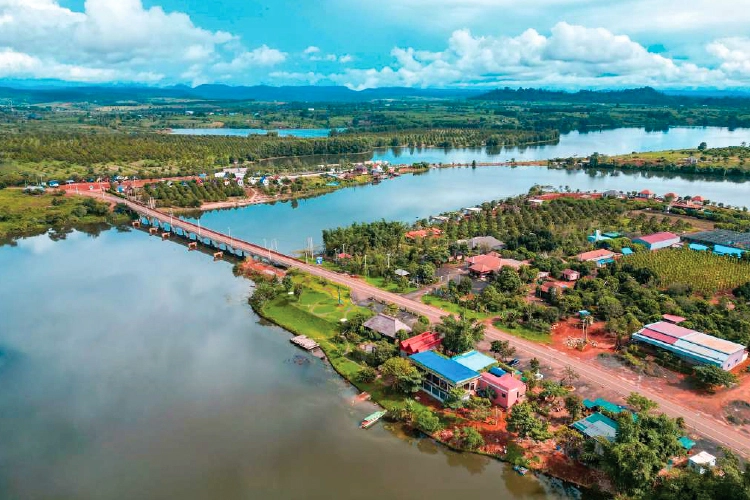
Genuinely brutal heat that turns temple visits into endurance tests by mid-morning. Water levels drop in Tonle Sap. Not recommended unless you handle extreme heat well.
June to October (monsoon season)
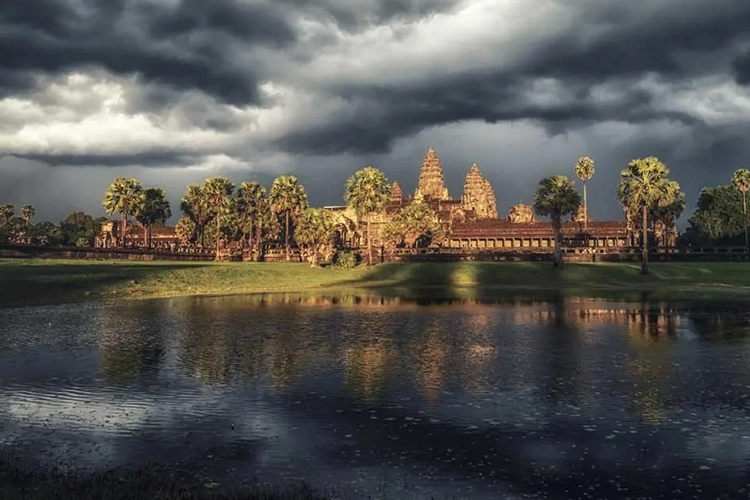
Heavy afternoon rains, usually lasting two to three hours, followed by sunshine. Fewer tourists, greener landscapes, and dramatic skies that make for extraordinary photography. The countryside comes alive. The roads get muddier, which, depending on your disposition, is either a deterrent or part of the appeal.
The sweet spot for an Indian traveller: October — the tail end of the monsoon when the rains are tapering off, the landscapes are still lush and green, the crowds haven't arrived, and the temperatures are comfortable. It's exactly when Adventures Overland runs its Cambodia Overland expedition (17–24 October 2026) - a timing choice that reflects years of route-planning experience across dozens of countries.
Where to Go in Cambodia - The Places That Matter
Phnom Penh
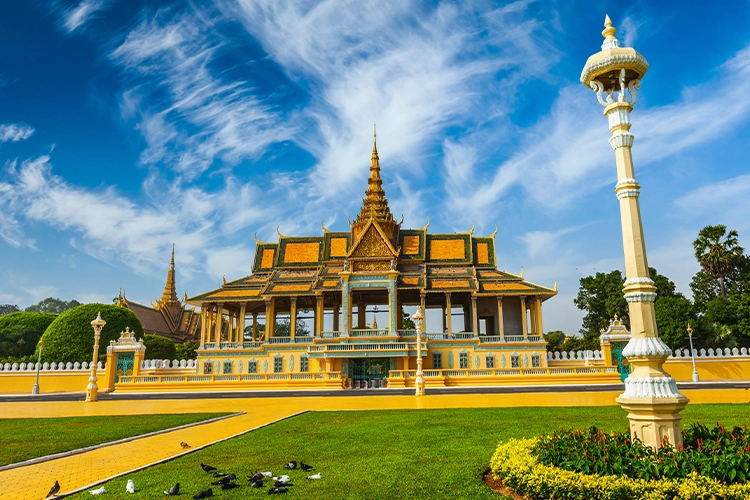
Cambodia's capital is compelling, and historically heavy. The Royal Palace and Silver Pagoda are ornate and photogenic. The riverside promenade along the confluence of the Tonle Sap and Mekong rivers is where the city comes to breathe in the evenings. The Central Market, housed in a striking Art Deco dome, is worth an hour of wandering.
But Phnom Penh's most important sites are its most difficult. The Tuol Sleng Genocide Museum (a former high school converted into a Khmer Rouge prison) and the Killing Fields of Choeung Ek document one of the 20th century's darkest chapters.
Kirirom National Park
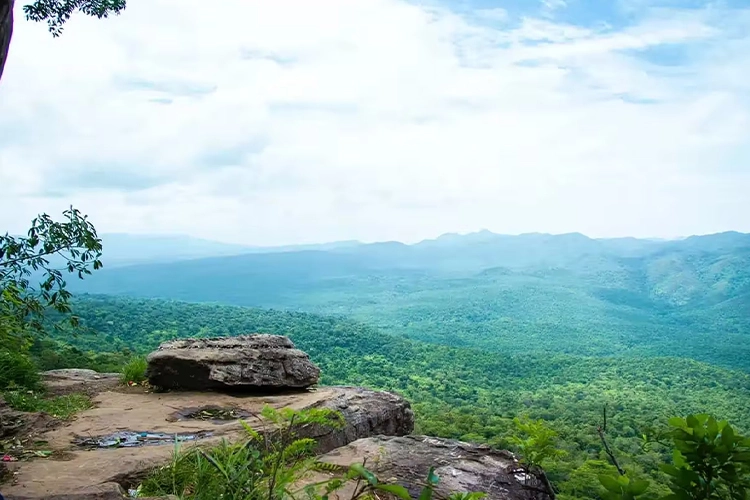
An hour and a half south of Phnom Penh and a world away from the city are pine forests, waterfalls, and highland trails at about 675 metres above sea level. Kirirom is Cambodia's first national park and one of its least visited. The air is cooler, the roads are quiet, and the landscape shifts from lowland rice paddies to forested mountains in the space of a single drive. It's also where the driving starts getting interesting as the terrain changes, the tarmac thins, and the countryside opens up.
The Cardamom Mountains
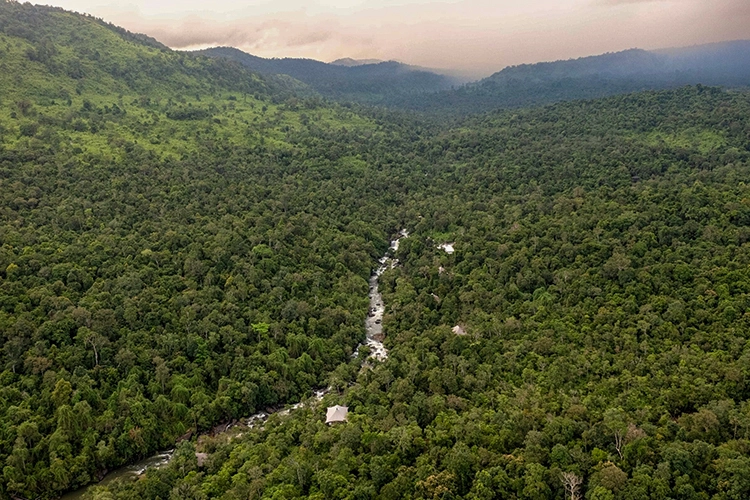
This is Cambodia's wild heart and one of the largest, most intact rainforests in mainland Southeast Asia. The Cardamom range runs along the country's southwest, and most tourists never get anywhere near it. The roads through Thma Bang and Veal Veng are remote, unpaved in stretches, and spectacularly beautiful. River crossings, jungle tracks, and the kind of silence that only exists when you're genuinely far from everything.
For self-drive travellers, the Cardamoms are the reason to come. This isn't sightseeing, it's expedition-grade driving through terrain that demands attention, skill, and the right vehicle.
Battambang
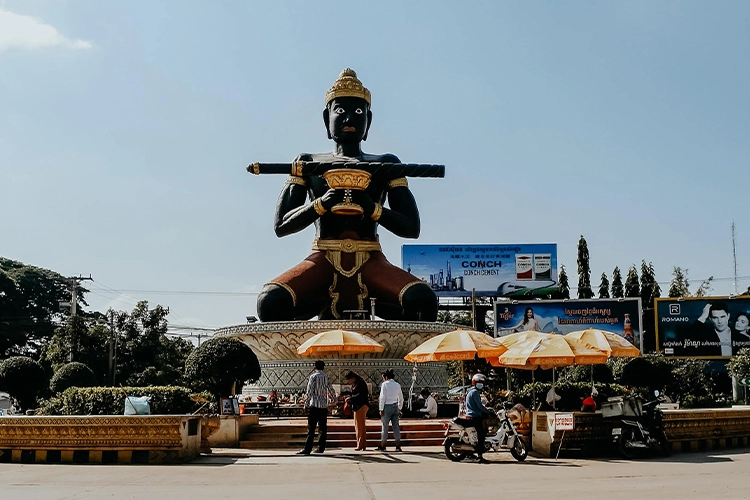
Cambodia's second city is its most charming. French colonial architecture lines the riverfront, the countryside around it is dotted with ancient temples and rice paddies, and the Battambang Bamboo Train (a makeshift rail cart powered by a small engine, running on disused tracks through the countryside) is one of the most unexpectedly delightful experiences in Southeast Asia.
Siem Reap and the Angkor Complex
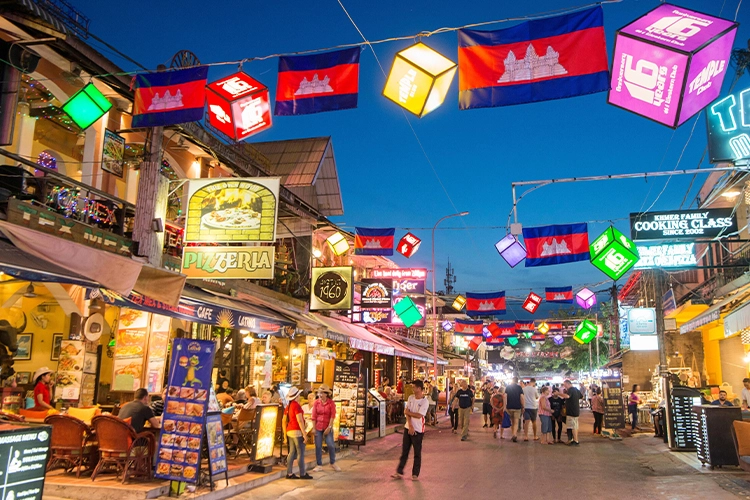
Siem Reap exists because of Angkor as the entire town has built itself around the temple complex that draws millions of visitors each year. The town itself has excellent restaurants, lively night markets, and Pub Street (which is exactly what it sounds like).
But the temples are the main attraction. Angkor Wat (sunrise, 3–4 hours minimum, bring water), Bayon (the one with over 200 enigmatic stone faces), Ta Prohm (where silk-cotton trees have consumed the ruins - the "Tomb Raider temple"), and Banteay Srei (25 km out, pink sandstone, the finest carvings in all of Angkor) are the essential four.
The Cambodia Road Trip from India - Why Driving Changes Everything
Here's where this guide diverges from every other Cambodia travel guide written for Indian travellers.
Most Cambodia itineraries follow the same pattern: fly into Siem Reap, hire a tuk-tuk for the temples, maybe add Phnom Penh, fly home. It's a perfectly good trip. But it misses the Cambodia that exists between the cities - the Cardamom Mountains, the river crossings, the dirt tracks through forests that don't appear on Google Maps, the villages where the arrival of a vehicle is still an event.
Cambodia, it turns out, is an extraordinary country to drive through. The terrain shifts constantly from flat lowland highways to mountain switchbacks to unpaved jungle trails and the scale is manageable enough that you can cover meaningful ground in a week without feeling rushed.
Adventures Overland's Cambodia Overland Expedition
This is exactly why Adventures Overland designed its Cambodia Overland expedition as a self-drive journey and chose to run it in restored automatic vintage jeeps that once served in the Vietnam War.
The current expedition runs 17–24 October 2026 (7 nights / 8 days) and covers approximately 1,000 kilometres from Phnom Penh to Siem Reap via a route that most Cambodia visitors will never see:
Day 1 — Phnom Penh: Arrive, meet your fellow travellers and the AO crew, welcome dinner, and a briefing on the drive ahead.
Day 2 — Phnom Penh to Kirirom National Park: Leave the capital behind and climb into the pine-forested highlands. The road shifts from highway to mountain track, and the vintage jeeps start earning their keep.
Day 3 — Kirirom to Thma Bang: Deep into the Cardamom Mountains. River crossings, jungle trails, and off-road stretches that demand your full attention. This is not a highway drive — it's an expedition.
Day 4 — Thma Bang to Veal Veng: More Cardamom wilderness. Cambodia's highest bridge. Hidden temples. The kind of terrain that reminds you why you chose to drive instead of fly.
Day 5 — Veal Veng to Battambang: The mountains give way to lowland countryside — rice paddies, colonial architecture, and the charm of Cambodia's second city.
Day 6 — Battambang to Siem Reap: The final driving stretch, arriving in Siem Reap with a week's worth of road stories and dust in your hair.
Day 7 — Siem Reap and Angkor Wat: The largest religious monument on the planet. After a week of jungle trails and river crossings, standing in front of Angkor Wat hits differently — you've earned this view.
Day 8 — Departure.
What Makes This Different from a Regular Cambodia Trip?
The vehicles, for a start. Restored Vietnam War-era vintage jeeps - automatic, two people per jeep, fully insured. These aren't museum pieces; they're working machines built for exactly this kind of terrain.
Then there's the route. The Phnom Penh to Siem Reap corridor that most travellers cover by bus or internal flight in a few hours, AO turns into a week-long expedition through the Cardamom Mountains - terrain that most travel companies would never attempt to operate in.
And then there's the AO infrastructure: fully assisted expedition with 24/7 crew support, radio handsets in every vehicle, all accommodation (7 nights) and all meals (every breakfast, lunch, and dinner) included, airport transfers, and the kind of border-to-border logistics management that comes from years of running expeditions across 75+ countries and six continents. You drive. They handle everything else.
For travellers who want to experience Cambodia from behind the wheel — not from the window of a tour bus or the back of a tuk-tuk — this is the trip. Explore Cambodia Overland
Transport in Cambodia - Getting Around
For travellers not joining an organised expedition, here's how transport in Cambodia works.
Tuk-tuks are the default mode of transport in Siem Reap and Phnom Penh. Essentially a motorcycle pulling a covered passenger cart. Agree on the fare before you get in - temple circuits typically run USD 15–20 per day. Tuk-tuk drivers often double as informal guides and can be hired for multi-day itineraries.
Motorbikes can be rented in both cities (USD 5–10/day), but traffic in Phnom Penh is aggressive and chaotic. Only recommended for confident riders. An international driving permit is technically required.
Buses connect all major cities. The Phnom Penh-to-Siem Reap route takes about 6 hours and costs USD 10–15 on operators like Giant Ibis or Mekong Express.
Internal flights between Phnom Penh and Siem Reap take about 45 minutes and cost USD 50–80 one way.
Self-driving is possible in Cambodia with an international driving permit, but road conditions outside major highways are unpredictable - unpaved sections, minimal signage, and livestock on the road are all standard. This is exactly why organised self-drive expeditions with local support crews and the right vehicles make such a difference. Driving Cambodia's back roads alone in a rental car is a very different proposition from driving them in a vintage jeep with an experienced AO crew managing the route.
Ride-hailing apps - PassApp and Grab both work in Phnom Penh and Siem Reap. Cheaper than tuk-tuks for short trips, and no price negotiation needed.
Cambodia Food Guide for Indian Travellers
Cambodian cuisine is milder than Thai food, less complex than Vietnamese, and quietly delicious. The base flavours are lemongrass, galangal, turmeric, and prahok (fermented fish paste), and the cooking tends toward gentle coconut curries and stir-fries rather than the chilli heat that defines much of Southeast Asian cooking.
Must-try dishes: Amok (fish or chicken steamed in coconut curry in a banana leaf - the national dish), Lok Lak (stir-fried beef with pepper-lime sauce, served with rice and a fried egg), Nom Banh Chok (rice noodles with green fish curry - a breakfast staple), and Kuy Teav (a pork and rice noodle soup that's Cambodia's answer to pho).
For vegetarian Indian travellers: This requires attention. Cambodian cooking uses fish sauce and shrimp paste liberally - even dishes that look vegetarian often aren't. In Siem Reap, the tourist economy means several Indian restaurants (Curry Walla, Little India) and dedicated vegetarian spots (Chamkar is fully plant-based Khmer cuisine). At local restaurants, fried rice or noodles with vegetables are generally safe if you specify "no meat, no fish sauce." Fresh fruit, grilled corn, coconut, and fruit shakes are abundant and reliable.
On an Adventures Overland expedition, meals are pre-arranged and included (all breakfasts, lunches, and dinners), and the crew is experienced in accommodating dietary preferences - one of the quieter advantages of travelling with a team that manages the full logistics rather than leaving you to navigate menus in a language you don't speak.
Practical Information for Indian Travellers
Currency: Cambodia runs on a dual-currency system - US Dollars and Cambodian Riel (KHR). Most transactions happen in USD. Riel is used for change under one dollar (approximately 4,100 KHR = 1 USD). ATMs dispense USD. Carry small bills - change for a $50 or $100 note can be hard to find outside cities.
SIM cards and connectivity: Grab a local SIM at the airport. Smart or Cellcard offer tourist packages with data for USD 5-7. Coverage is solid in cities and along major routes, but patchy in remote areas like the Cardamoms.
Language: Khmer is the official language. English is widely spoken in Siem Reap and Phnom Penh's tourist areas. Outside cities, communication gets more creative - a translation app helps.
Time zone: Cambodia is UTC+7, which is 1.5 hours ahead of IST. A small adjustment that barely registers.
Tipping: Not traditionally expected, but appreciated. USD 1–2 for tuk-tuk drivers, 10% at restaurants if no service charge is included.
Power: Cambodia uses Types A, C, and G plugs (220V). Bring a universal adapter from India.
Final Thoughts
Cambodia is one of those countries that gives you more the deeper you go and most travellers only scratch the surface. The temples are extraordinary, but they're the introduction, not the whole story. The Cardamom Mountains, the floating villages of Tonle Sap, the colonial charm of Battambang, the devastating history of Phnom Penh, and the warm, resilient spirit of the Khmer people - all of it adds up to a destination that deserves more than a three-day temple circuit.
And if you're willing to get behind the wheel — to trade the tuk-tuk for a vintage jeep and the tourist highway for a jungle track through the Cardamoms — Cambodia transforms from a place you visited into a journey you'll never forget.
Adventures Overland's Cambodia Overland expedition runs 17–24 October 2026. Eight days. A thousand kilometres. Phnom Penh to Siem Reap via the road less driven.
Because some countries are best discovered from behind the wheel.
Frequently Asked Questions
Written by
Damini Sharma
Damini has travelled the world solo, sometimes for work, primarily for self‑discovery, and now she explores full‑time! She enjoys slow, mindful travel & immerses herself in any country she visits. Working for AO, she transforms itineraries into adventures and destinations into dreams. Having explored the UAE, Indonesia, the Northeast, the Andaman Islands, and beyond, Damini writes from lived experience—capturing the sights, sounds, and soul of each journey. Whether drafting court‑worthy briefs or breathtaking travel blogs, Damini crafts experiences that invite readers to step into memory, embrace wonder, and discover deeper human connections.