- Why Do You Float in the Dead Sea | Science Behind It
- Beyond the Bucket List Tick—The Dead Sea Experience
- Why is it called “the Dead Sea” | From History to Cleopatra’s Beauty Elixir
- Things You Need to Know About the Dead Sea’s Famous Mud Bath
- Floating 101: Tips for Your Dead Sea Dip
- Beyond the Dead Sea: What Jordan Truly Has to Offer!
Picture this – you wade into shimmering water under a desert sun, lean back, and don’t sink. In fact, you can’t sink–you’re effortlessly bobbing on the surface because extreme salt concentration makes it denser than the human body. Floating in the Dead Sea on the Jordanian side is surreal. It’s the kind of bucket-list experience seasoned explorers rave about, luxury travellers unwind in, and adventure junkies find utterly unique. Many say it feels as close as they’ll get to visiting outer space – the weightless sensation is so strange it’s almost indescribable.
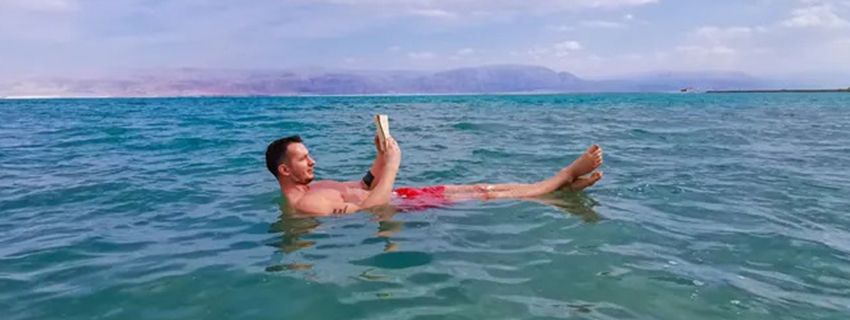
And yet here you are, reading a newspaper on water, defying gravity at the lowest point on Earth. Welcome to the Dead Sea!
Why Do You Float in the Dead Sea | Science Behind It
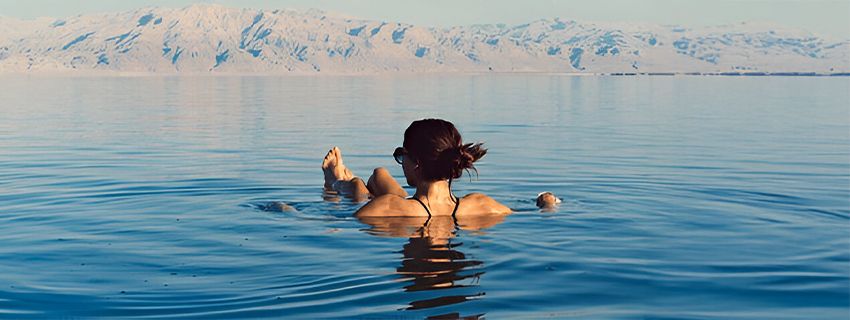
The Dead Sea earns its name because its super-salty waters can’t support much life. That same extreme salinity makes the water denser than the human body, which is why you float so effortlessly here. Floating effortlessly on the calm, super-salty waters of the Dead Sea is a sensation unlike any other – no floaties required. The first thing you notice is that the water doesn’t feel like normal seawater. It’s dense, almost silky, due to an exceptionally high salt content – about 9–10 times saltier than the ocean. This means sinking is virtually impossible, and even non-swimmers can lounge on the water’s surface without effort.
Leaning back in the Dead Sea on your Dead Sea trip is like reclining in an invisible armchair; your feet pop up, your shoulders bob above the water, and you find yourself giggling at how nature turned you into a human cork. There is no need for a pool noodle or any flotation device – the water itself is your personal float.
Floating here isn’t just easy, it’s therapeutic. The mineral-rich brine is famed for soothing skin and aching muscles. As you lie back and gaze at the hazy Jordanian hills around you, there’s a profound stillness. No waves, just the quiet cradling of buoyant water. Time seems to pause. It’s in these moments – suspended between water and sky – that travellers of all stripes, from backpackers to luxury seekers, realise why the Dead Sea’s allure is timeless. It’s not just a fun float, it’s a moment of pure, weightless zen that you’ll carry with you forever.
Since the Dead Sea sits between Amman and the southern sites of Jordan, many travellers visit it while moving across the country on a Jordan overland journey.
Beyond the Bucket List Tick—The Dead Sea Experience
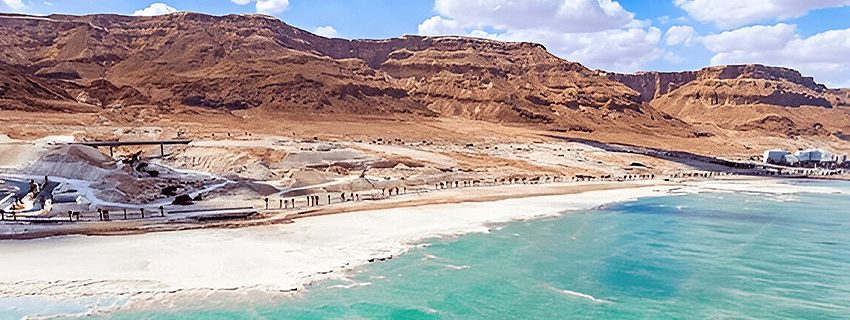
What makes this place truly bucket-list worthy is not only the Dead Sea floating, but where you’re floating. The Dead Sea sits over 400 meters below sea level, Earth’s lowest elevation on land. Standing on these shores means you’re at the very bottom of the habitable world – a fact that gives seasoned travellers bragging rights and a sense of awe.
The landscape is otherworldly- desert mountains rise on the horizon, and the shoreline is encrusted with ghost-white salt crystals that look like moon rock formations. In the dry heat, you might even see salt mirages dancing off the surface of the water. It’s a scene so dramatic and unique that “Dead Sea sunset” often tops photographers’ wishlists. But the Dead Sea is not dead when it comes to stories. This lake (it’s actually a lake, not a true sea) has been mesmerising people for millennia. Be ready to be amazed at every step on your Dead Sea trip.
Why is it called “the Dead Sea” | From History to Cleopatra’s Beauty Elixir
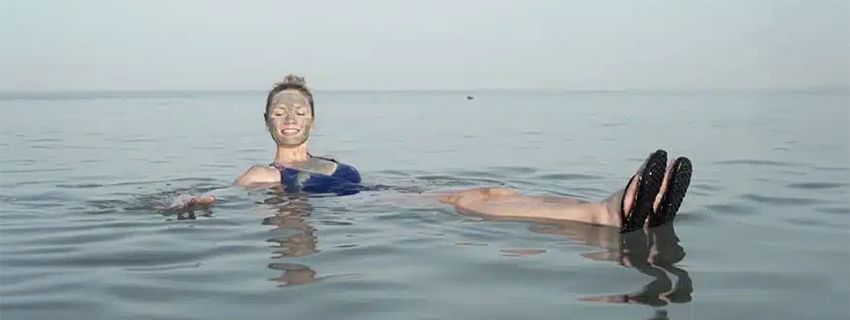
In biblical times, it was called the “Salt Sea”, and it’s linked to famous tales: the ancient cities of Sodom and Gomorrah were said to lie near its shores, and Lot’s wife from the Bible supposedly turned into a pillar of salt not far from here.
King David – yes, the David from David-and-Goliath – sought refuge in the surrounding wilderness, and the Dead Sea’s banks are a short trek from where John the Baptist is believed to have baptised Jesus. Every drop of this water seems steeped in myth and history. Even the name “Dead Sea” hints at its extreme nature. With a salinity of around 34%, the lake creates a harsh environment where fish and aquatic plants cannot survive (hence the name).
For humans, though, it’s more marvel than menace. Throughout history, people have travelled here to benefit from its unusual properties. The Dead Sea was one of the world’s first health resorts – Herod the Great built a spa here over 2,000 years ago. Its black mud and salt were coveted by Queen Cleopatra, who legend says used Dead Sea potions to enhance her famed beauty.
In 1947, the surrounding caves yielded the Dead Sea Scrolls, ancient texts that were one of the most significant archaeological finds of the 20th century. Floating in the Dead Sea, you’re literally drifting through a living museum of natural wonders and legends. How often can you say you relaxed in waters that Cleopatra once prized and that countless travellers, prophets, and kings have journeyed to experience?
Things You Need to Know About the Dead Sea’s Famous Mud Bath
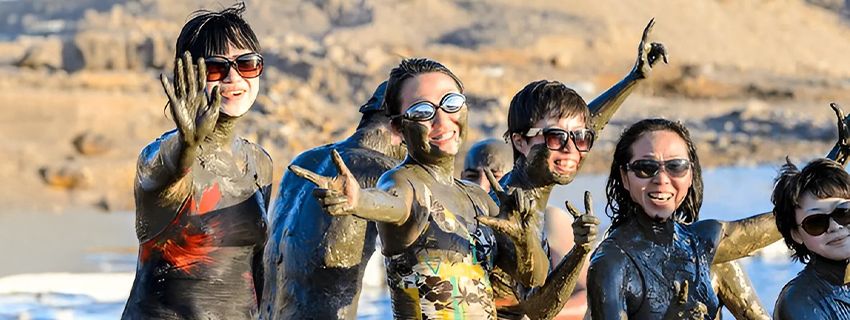
Strange but true- the rocks and shores of the Dead Sea are coated in thick layers of salt. The mineral-rich mud and salt here have been used for wellness treatments since ancient times. For those who love a bit of pampering, a five-star natural spa could be one of the things to do at the Dead Sea Jordan. Along the Jordanian shoreline, you’ll find patches of dark, mineral-rich mud ready to be slathered on. The benefits of swimming in the Dead Sea go beyond the sheer thrill of floating effortlessly; its high mineral content is believed to soothe skin conditions, ease joint pain, and improve circulation. It’s common to see gleeful travellers coated head-to-toe in grey mud, posing for goofy photos before rinsing off in the sea.
Why do they do this? Dead Sea mud is renowned for its skincare benefits, being rich in minerals like magnesium, calcium, and potassium. Generously plastering yourself with mud, letting it dry under the sun, then washing it off in the salt water leaves your skin feeling unbelievably soft and rejuvenated (your skin will thank you, truly!). In fact, people have sought out the Dead Sea for centuries to treat skin conditions; the mud and waters here are known to provide relief for ailments like psoriasis and eczema.
Consider it Mother Nature’s very own mud mask, free of charge. Luxury travellers will also be pleased to know that the Jordan side of the Dead Sea is dotted with upscale resorts and spas. These retreats capitalise on the Dead Sea’s unique offerings – think massages using Dead Sea salt scrubs, mineral-rich baths, and mud wraps that make you feel like royalty. You can float in the morning and spend your afternoon getting a soothing massage or sipping a drink by an infinity pool overlooking the alien landscape of the lake. It’s a blend of raw natural wonder and plush comfort that’s hard to top.
Tip: Even if you’re not staying overnight, some resorts offer day passes to use their private Dead Sea beaches in Jordan, showers, and pools, which can be a great way to enjoy a touch of luxury on your visit. Whether you’re a wellness enthusiast seeking the therapeutic powers of the salty water, or just a traveller who enjoys a good mud bath and a sunset cocktail, the Dead Sea has you covered – literally, in mud and salt!
It’s a spa day, Adventures Overland style: natural, adventurous, and deeply rewarding.
Floating 101: Tips for Your Dead Sea Dip
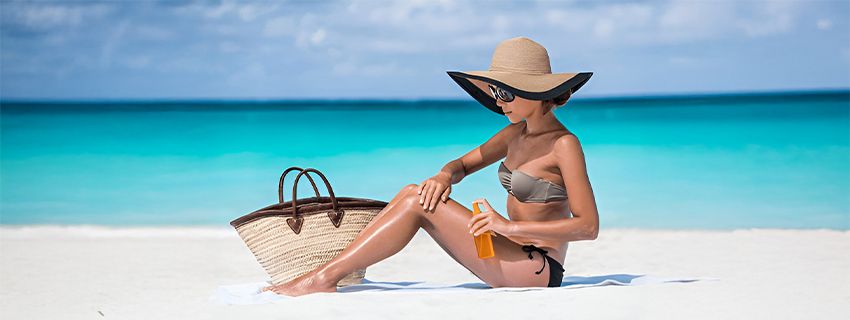
By now, you’re probably itching to jump in and float. Before you do, let’s talk practicalities. Floating in the Dead Sea is easy, but doing it right will ensure your experience is memorable for all the right reasons (and not because you got a stinging eye or ruined swimsuit!). From our adventures, we’ve gathered some essential tips. Here’s how to prepare for your Dead Sea float like a pro:
- Don’t shave or wax right before: Absolutely avoid shaving for at least a day or two before your Dead Sea dip. High-salinity water on freshly shaved skin is the definition of “pouring salt on a wound.” Any tiny cut or razor nick will burn like crazy the moment you hit that water. Embrace the scruff for a couple of days – your skin will thank you when you enter the sea pain-free. Likewise, cover any open scrapes or cuts with waterproof bandages.
- Wear water shoes or sandals: The seabed isn’t sandy, it’s coated with coarse salt crystals that can be rough and jagged. Protect your feet with water-resistant sandals or aqua shoes when walking in and out of the water. Not only will this prevent cuts (which, as mentioned, you really want to avoid in salt water), but those shoes will also save you from hobbling over hot sand and rocks in the midday sun. With so many things to do at the Dead Sea, Jordan, make sure you do them in the right way.
- Wear an old or dark swimsuit: The Dead Sea’s minerals can discolour fabrics. That brand-new white bikini or favourite bright swim trunks? Leave them in your bag. Opt for an older suit you don’t mind getting a bit dingy. Also, the mud can stain, and the salt can fast-track wear and tear on your swimwear. Many travellers have a dedicated “Dead Sea outfit” for this reason. (Don’t worry, you can rinse your suit after – but it’s best not to risk your finest beachwear here.)
- Enter slowly and no splashing: Remember, this isn’t the place for cannonball contests. The water is extremely salty, and a splash to the face is the last thing you want. Walk in carefully (those salt rocks underfoot are another reason to step gently). When it’s about knee-deep, slowly sit back as if you’re taking a seat. Your legs will magically pop up as the water takes your weight. And do not splash around – not only could you accidentally fling saltwater into your or your neighbour’s eyes, but a calm float is the whole point here. Think leisurely drift, not wild swim.
- Float on your back – never on your stomach: This might sound obvious, but it’s worth stating- the Dead Sea is for floating, not actual swimming. Do not try to swim face down or submerge your head. The buoyancy makes it almost impossible to swim normally, and you risk flipping over and getting water in your eyes or mouth. In fact, never let your face or eyes touch the water – even a drop in the eye burns like fire.
- Don’t splash your friends (or yourself): A single splash can send a jet of super-salty water right into someone’s face. We’ve seen it happen – cue the yelps and frantic dash to the showers. You will probably end up with red, burning eyes, stumbling to shore, and being blinded for minutes.
- Try the Dead Sea mud beauty routine: While Dead Sea floating, you might notice people around you scooping up dark mud from the shallow floor or from buckets provided on the beach. Join in! Slather that mud on your arms, legs, and even your face (just avoid the eyes). It’s not every day you get a free full-body mud mask loaded with minerals. Let it dry for a few minutes – you’ll feel like a creature from the deep – then wash it off in the sea. Your skin will feel baby-smooth and refreshed. Plus, it makes for hilarious photos and a great story. Mud bathing is a must-do for the whole Dead Sea spa experience.
- Limit your time in the water & rinse off: As blissful as it is, don’t overstay too long in the Dead Sea. After about 15-20 minutes, you might feel a tingling or extra warmth on your skin – that’s your cue to take a break. The minerals can start to irritate if you soak for an extended period. Step out, head to the showers and rinse thoroughly with fresh water. You’ll wash off a visible layer of salt that’s crystallised on your skin (and in your hair – dunking your hair is fine, just rinse it well).
And one more thing: bring your camera or a fun prop for that iconic snapshot. The classic is reading a newspaper while floating – it’s practically a rite of passage (a waterproof book or magazine works too). At Adventures Overland, we go above and beyond to craft a Dead Sea journey that isn’t just a customised holiday package, but a once-in-a-lifetime memory steeped in wonder.
Just make sure to get your photos before your hands get too salty or wet, and be careful with cameras (a waterproof case is a good idea, since salt can damage electronics quickly). Once the pictures are done, put the camera aside, lie back, and truly savour the moment. You’re floating in the Dead Sea – a place so unique that no trip to Jordan would be complete without it!
Beyond the Dead Sea: What Jordan Truly Has to Offer!
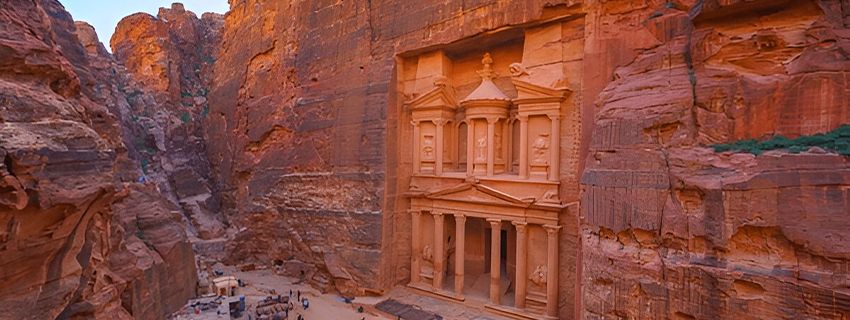
Floating in the Dead Sea is often the highlight of a trip to Jordan, but it’s far from the only adventure this country offers. After you’ve ticked off the surreal experience of bobbing on the Dead Sea, a whole world of excitement, culture, and natural beauty opens up around you. Perhaps you’ll find yourself climbing the ancient rose-red city of Petra by day, or stargazing in the Martian landscapes of Wadi Rum by night. Maybe you’ll wander through Roman ruins in Jerash or enjoy the bustling cafes of Amman. The best part is that Jordan’s gems are all within a few hours’ drive of each other, making it easy to pack multiple bucket-list experiences into one trip.
Adventures Overland makes all of this seamless by curating a tailor-made Jordan tour. Our thoughtfully crafted Jordan journeys ensure you get the most out of each experience – Dead Sea included. With us, you won’t have to worry about the logistics (like where to find a shower to rinse off that salty skin, or hauling a towel and water shoes in your luggage). We’ve got you covered, from comfortable transport down the winding roads to the Dead Sea coast, to picking the perfect spot for that float (and yes, our guides have a few tricks up their sleeve for the best Dead Sea floating photos!). By the time you’re drying off and reaching for your sunglasses, we’ll have cold drinks and fresh towels ready, so you can sit back and relish the accomplishment of floating at Earth’s lowest point.
At day’s end, as the sun sets over the Dead Sea’s shimmering surface and casts a golden glow on the Jordanian hills, you’ll feel a profound sense of wonder. It’s a feeling of connection – to nature’s marvels, to ancient history, and to your own capacity for adventure. Whether you came to Jordan seeking thrills, wellness, or a story to tell, floating in the Dead Sea delivers on all fronts with a healthy dose of fun and amazement. So go ahead – imagine yourself in these waters and let that daydream nudge you into action. Your Dead Sea trip awaits. And when you’re ready to turn the dream into reality, you know who to float with.
Here’s to making gravity optional on your next journey.
Written by
Damini Sharma
Damini has travelled the world solo, sometimes for work, primarily for self‑discovery, and now she explores full‑time! She enjoys slow, mindful travel & immerses herself in any country she visits. Working for AO, she transforms itineraries into adventures and destinations into dreams. Having explored the UAE, Indonesia, the Northeast, the Andaman Islands, and beyond, Damini writes from lived experience—capturing the sights, sounds, and soul of each journey. Whether drafting court‑worthy briefs or breathtaking travel blogs, Damini crafts experiences that invite readers to step into memory, embrace wonder, and discover deeper human connections.