- Everything You Need to Know Before Visiting Kyrgyzstan
- The Best Time To Visit Kyrgyzstan | Climate Guide!
- Top 7 Interesting Things To Do in Kyrgyzstan
- What to See in Kyrgyzstan | Best Places to See in Kyrgyzstan
- 16 Things First-time Travellers Need to Know Before Travelling to Kyrgyzstan
- The 5 Best Hikes & Treks in Kyrgyzstan
- The 5 Best Horse Riding Destinations in Kyrgyzstan
- Tips For Horse Riding
- What Should I Pack For a Kyrgyzstan Trip?
- Kyrgyzstan Travel Insurance
- Kyrgyzstan Adventure Tours & Tour Planning
- The 6 Most Vibrant Festivals of Kyrgyzstan | Get Ready To Celebrate
- Is Kyrgyzstan a Safe Country to Visit?
- 5 Kyrgyz Dishes You Have to Try
Everything You Need to Know Before Visiting Kyrgyzstan
They call it the Land of Celestial Mountains,and once you’ve stood beneath the snow-clad Tien Shan peaks or ridden through its vast green pastures, you’ll understand why. Kyrgyzstan isn’t just a destination; it’s a feeling — wild, raw, and unfiltered. Over 90% of the country is mountainous, yet its beauty lies not only in the altitude but in the raw spirit that differentiates it. Here, time slows. You’ll sip tea in a felt yurt with nomads who’ve roamed these valleys for centuries, gallop alongside rivers that carve through gorges, and wake to mirror-like alpine lakes reflecting the sky.
This Kyrgyzstan travel guide gathers everything you wish you knew before visiting — from the best time to explore and breathtaking treks to packing essentials, cultural quirks, and practical travel tips. Whether you’re an adventure seeker chasing summits, a soul searching for silence, or a traveller curious about nomadic traditions, Kyrgyzstan will surprise you at every turn. Let’s dive into the mountain heart of Central Asia.
With vast mountain landscapes, remote valleys and limited public transport between regions, travelling independently across the country often takes the form of a self guided kyrgyzstan road trip.
The Best Time To Visit Kyrgyzstan | Climate Guide!
Kyrgyzstan experiences four distinct seasons, each offering a different travel experience. Summer (June to September) is widely considered the best time to visit, whereas November to March is widely opted for a more cultural experience or skiing.
• Summer July and August are the warmest and busiest months, perfect for camping by mountain lakes like Song-Kul or Issyk-Kul, although it can get hot in lower elevations (Bishkek often hits 30–35°C). June and September are slightly cooler “shoulder” months. You’ll still have good weather with fewer crowds, though some high-altitude trails might see lingering snow in early June.
• Autumn. Late September to October brings crisp air and golden landscapes, especially in the valleys dotted with birch and walnut trees. It’s a beautiful time for photography and cultural tours, though mountain weather becomes unpredictable, and many yurt camps begin to dismantle for winter.
• Spring. April to May is a shoulder season with mild temperatures in the lowlands and blossoms in the countryside. However, many highlands remain snowbound through May, limiting access to certain lakes or treks. Spring and autumn are less popular but can be rewarding if you focus on cultural sites, cities, and lower-altitude hikes.
• Winter. November to March in Kyrgyzstan brings freezing temperatures but also opens the door to a different kind of adventure, from snow-draped mountain trails to serene, crowd-free landscapes. Winter offers unique experiences, such as skiing in Karakol (a renowned ski resort), eagle hunting festivals, and the opportunity to see a quieter side of the country. If you enjoy snow sports or cultural festivals like Nooruz (Persian New Year in March), winter can be worthwhile. Just come prepared for sub-zero nights and bundle up!
Top 7 Interesting Things To Do in Kyrgyzstan
Its mountains may define Kyrgyzstan, but its magic goes far beyond the peaks. From galloping across wild valleys to sharing tea with nomads in felt yurts, this country is made for those who crave more than sightseeing; it’s for those who chase experiences. Here are the most unforgettable things to do in Kyrgyzstan, where adventure meets authenticity.
• Trekking and Hiking. The country is a trekker’s paradise. You can embark on multi-day hikes in the Tian Shan mountains, such as the popular Ala-Kul Lake trek or the challenging Ak-Suu Traverse, or enjoy day hikes in places like Ala-Archa National Park near Bishkek. Each trek rewards you with alpine lakes, glaciers, and panoramic views of peaks.
• Horseback Riding. Embrace the nomadic way of life by exploring on horseback. Kyrgyzstan’s horse treks are legendary – you can ride across jailoos (summer pastures), visit yurt camps, and even retrace Silk Road paths. Popular horse riding adventures include trips to Song-Kul Lake, Jyrgalan Valley, or Tash Rabat caravanserai. Even beginners can join guided day rides or multi-day horse treks with local guides, experiencing the freedom of the open steppe.
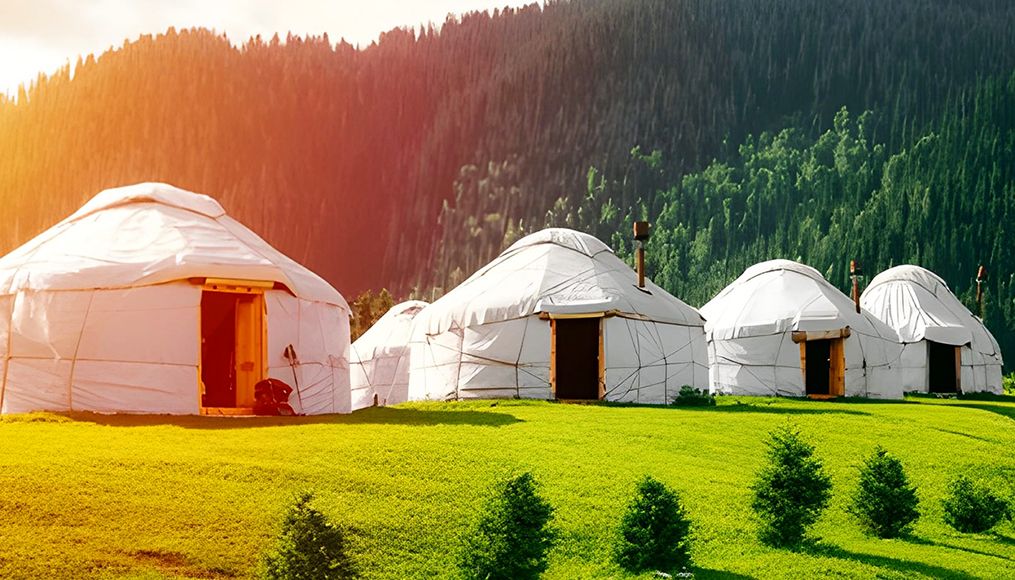
• Yurt Stays and Nomadic Culture. Spending a night in a traditional yurt is a must-do cultural experience. Many mountain valleys (e.g. Song-Kul, Son-Kol and parts of Issyk-Kul’s shore) have seasonal yurt camps where you can sleep in a felt tent under the stars. You’ll dine on home-cooked meals, cosy up to a wood-burning stove, and perhaps hear folk songs or komuz (lute) music by the campfire. It’s a fantastic way to experience Kyrgyz hospitality and nomadic customs firsthand.
• Lakes and Swimming. With around 2,000 alpine lakes, Kyrgyzstan offers plenty of opportunities to relax by the water. Issyk-Kul Lake, the world’s second-largest alpine lake, is warm enough for summer swimming on its shores. You can sunbathe on the beaches near Cholpon-Ata or Kadji-Sai, take a boat ride, or visit the natural hot springs around the lake.
• Cultural and Historical Sites. Between adventures, dive into Kyrgyzstan’s history. Explore Burana Tower, a 9th-century minaret from an ancient Silk Road city near Tokmok. Wander Bishkek’s Osh Bazaar for a sensory overload of spices, dry fruits, and traditional hats. In Osh city, visit the sacred Sulayman-Too Mountain and its caves and museum, or stroll through Uzgen’s ancient minaret and mausoleums.
• Wildlife and Eagle Hunting Shows. If you’re lucky, you might spot wildlife such as Marco Polo sheep, ibex, or even snow leopards (very rare) in remote areas. More commonly, you’ll see herds of horses, yaks, and camels roaming freely. A unique thing to do is attend an eagle hunting demonstration – local berkutchi (eagle hunters) show how they train golden eagles to hunt foxes and rabbits.
• Adventure Sports. Beyond hiking and riding, Kyrgyzstan offers other adrenaline activities. You can go white-water rafting on rivers like the Chüy or Chon-Kemin in summer. In winter, try skiing or snowboarding at Karakol Ski Base or smaller ski resorts near Bishkek (like Chunkurchak). The mountains also offer rock climbing and mountaineering opportunities – including Peak Lenin (7134 m), which is a popular expedition for experienced climbers.
From conquering mountain passes and sleeping in yurts to enjoying hearty meals and exploring Silk Road relics, Kyrgyzstan has no shortage of unforgettable things to do. Prepare for an adventure-filled trip that balances raw nature with vibrant culture.
What to See in Kyrgyzstan | Best Places to See in Kyrgyzstan
Kyrgyzstan’s map is dotted with incredible destinations. Here is an overview of some of the best places to visit across the country, encompassing scenic natural wonders and fascinating towns:
• Bishkek. The capital city is a gateway for most travellers. Bishkek’s Soviet-era architecture (like Ala-Too Square) and green parks offer a relaxed introduction. Visit the State Historical Museum, and don’t miss Osh Bazaar for local shopping. Bishkek also makes a good base for day trips (for example, to Ala-Archa National Park or Burana Tower).
• Ala-Archa National Park. Just 40 km from Bishkek, this alpine park in the Kyrgyz Range is a hikers’ paradise. Towering fir forests and glaciers await. You can do an easy hike to a waterfall or a challenging trek to Ak-Sai Glacier. It’s an ideal day trip for nature lovers wanting a quick mountain escape.
• Issyk-Kul Lake. Known as “the Pearl of Kyrgyzstan,” Issyk-Kul is a massive high-altitude lake in the northeast. It never freezes even in winter (the name means “hot lake”), thanks to its depth and mild salinity. Beach resorts and snow-capped mountains ring the lake.
• Karakol. A charming town near Issyk-Kul’s eastern end, Karakol is a jumping-off point for many treks. The city itself has sights like the Dungan Mosque (a Chinese-style mosque made of wood) and a colourful Russian Orthodox Holy Trinity Cathedral. Karakol’s Sunday animal bazaar is a lively scene where locals trade livestock. In winter, Karakol Ski Resort is the top skiing spot in Central Asia.
• Song-Kul Lake. High in the central mountains at 3,000 m elevation lies Song-Kul, a pristine alpine lake surrounded by broad summer pastures. Visiting Song-Kul is like stepping back in time – you’ll find nomadic herders living in yurts, grazing horses and yaks on the lush jailoo. Stay overnight in a yurt camp to witness unreal sunsets and starry skies.
• Osh. Kyrgyzstan’s second-largest city, located in the Fergana Valley in the south. Osh is over 3000 years old and was an important Silk Road hub. Its most famous landmark is Sulayman-Too, a sacred mountain in the middle of the city (a UNESCO World Heritage Site) with a museum inside a cave and panoramic views from the top. Osh’s bazaar is one of the biggest in Central Asia – a labyrinth of spices, produce, textiles, and daily life. The city has a more Uzbek influence on culture and cuisine.
• Alay Valley. Located in the far south, near the border with Tajikistan, the Alay Valley offers breathtaking views of the Pamir Mountains. From the town of Sary-Mogul, you can see Lenin Peak (7134 m) dominating the skyline. Many travellers venture here to do the Lenin Peak Base Camp trek or simply to experience the wide open valley with yurt stays at Tulpar-Kul lake (a small lake at base camp).
• Naryn and Tash Rabat. Naryn is a long valley city in central Kyrgyzstan, a stop on the way to China’s Torugart Pass. The drive from Bishkek to Naryn is scenic, crossing high mountain passes like Too-Ashuu. Near Naryn, a key site is Tash Rabat, a well-preserved 15th-century stone caravanserai hidden in the hills. At an altitude of 3,200m, Tash Rabat once housed Silk Road travellers. You can stay in nearby yurt camps and even ride horses to Chatyr-Kul Lake (a high border lake) if you obtain the necessary border zone permits.
• Kazarman and Saimaluu-Tash. For adventurous travellers, the central route from Naryn to Osh via Kazarman town is a rough but rewarding path (accessible in summer). Near Kazarman are the Saimaluu-Tash petroglyphs, an archaeological site with thousands of ancient rock carvings scattered on a high alpine plateau. It’s one of the largest petroglyph collections in the world, but it requires an off-road journey or multi-day trek to reach.
• Sary-Chelek Biosphere Reserve. Located in western Kyrgyzstan (Jalal-Abad region), Sary-Chelek is a lush reserve famous for its emerald Sary-Chelek Lake surrounded by pine forests. This peaceful area has several beautiful lakes, hiking trails, and plentiful fruit orchards. It’s a UNESCO Biosphere Reserve and less visited than Issyk-Kul, making it a hidden gem for nature lovers.
These are just a few of Kyrgyzstan’s highlights – in total, the country boasts countless picturesque spots. Each area of Kyrgyzstan offers something unique, so if you have time, explore widely!
16 Things First-time Travellers Need to Know Before Travelling to Kyrgyzstan
To help you prepare for your trip, here are 16 essential things to know before you go to Kyrgyzstan. These quick tips cover practical information, cultural insights, and valuable advice to ensure a smooth and responsible journey.
1. Visa Requirements: Citizens of many nationalities, including those from the EU, UK, Canada, Australia, New Zealand, Japan, and more, can visit Kyrgyzstan visa-free for 30 to 60 days. U.S. citizens also currently get a 60-day visa-free stay. If you do need a visa (for example, Indian passport holders require an e-visa), the Kyrgyzstan e-Visa system is straightforward – you apply online and get approval in a few days.
2. Currency and Money: The currency is the Kyrgyzstani Som (KGS). Cash is king in most of Kyrgyzstan, especially in rural areas. Bring crisp USD/EUR to exchange, or withdraw some from ATMs in cities (Bishkek and Osh have plenty of ATMs). Credit cards are accepted in some hotels, supermarkets, and restaurants in big cities, but you’ll need cash for markets, transport, and homestays. Prices in Kyrgyzstan are generally low – it’s a budget-friendly destination. For perspective, 1 USD ≈ is 87 KGS (as of 2025).
3. Altitude and Acclimatisation: Keep in mind that much of Kyrgyzstan is at high elevation. You might fly into Bishkek (800 m) and quickly travel to places above 2,500–3,000 m. Take it easy the first couple of days at altitude to see how your body reacts, especially if heading to Song-Kul or doing a trek above 3000 m. Altitude sickness can occur if you ascend too fast – symptoms include headache, nausea, and shortness of breath. Stay hydrated and don’t push yourself too hard initially.
4. Weather and Clothing: Kyrgyzstan’s weather can be extreme and unpredictable. Even in summer, mountain nights are cold (it can drop below freezing at high camps). Pack layers, a warm jacket, a hat, and gloves for high altitudes, and lighter shirts for warm days. Rain and thunderstorms can blow in suddenly, so a waterproof jacket is essential. If travelling in spring or fall, prepare for both cool days and possible snow in the mountains. Good hiking boots are a must for treks, and sunscreen is important at high elevation (the sun is strong in those clear, thin-air skies!).
5. Getting Around (Transportation): Public transport between cities is mainly by marshrutka (minibuses) or shared taxis. Marshrutkas are very cheap but can be crowded and have fixed departure times (often when full). Shared taxis (sedan cars that take 4-5 passengers) are faster and still affordable for inter-city trips – you pay per seat. For example, Bishkek to Karakol (6-7 hours) by shared taxi might cost around 600–800 KGS. In cities, local marshrutkas and buses run fixed routes for a flat fare (e.g. 10–15 KGS in Bishkek), and they can be tricky to navigate due to language barriers. If you plan to explore remote areas (like Kel-Suu, Song-Kul) independently, consider renting a 4x4 car – note that roads can be rough or unpaved, so a robust vehicle is required.
6. Accommodation: In cities like Bishkek and Osh, you’ll find everything from hostels and guesthouses to luxury hotels. In smaller towns (Karakol, Cholpon-Ata, Naryn, etc.), family-run guesthouses are standard – these are like B&Bs where you have a private room in a local home or a small inn. They are usually comfortable and include breakfast. Yurt stays are the highlight in rural areas; many tourist yurt camps operate in summer at Song-Kul, Jyrgalan, Tash Rabat, and other scenic spots. Yurt camps are basic – expect outhouse toilets (squat style) and maybe no showers, with solar power providing minimal lighting. But they usually include dinner and breakfast in the price.
7. Food and Dietary Needs: Kyrgyz cuisine is meat-centric and hearty. The nomadic diet features lots of mutton, beef, horse meat, dairy, and dough-based foods. Vegetarians and vegans will find options limited in traditional eateries. Typical dishes include plov (rice pilaf with carrots and meat) and kuurdak (pan-fried meat with onions and potatoes). You’ll also encounter laghman, a delicious hand-pulled noodle stir-fry, and manti, large steamed dumplings usually stuffed with meat and onion. If you don’t eat meat, you can often get fried eggs, salads (tomato and cucumber salads are standard), or ask for vegetarian versions of noodle dishes.
8. Toilets and Showers: Be ready for some squat toilets! Outside of city hotels and modern cafes, most toilets in the countryside are simple pit latrines – basically a hole in the ground inside a wooden outhouse. They often don’t have toilet paper or running water, so carry your own toilet paper and hand sanitiser when on the road. In towns, bus stations and markets have public toilets for a small fee (5–10 som).
9. Mobile Network & Internet: Major towns and even many villages have cell coverage (Beeline, O!, and Megacom are the leading telecom providers). However, in the mountains and remote valleys, expect no signal. Buy a local SIM card for cheap (available at the airport or in city shops) to get data – coverage is pretty good on the main roads and in populated areas, and 4G in cities. A SIM plus a few GB of data might cost only $5-10.
10. Useful Apps: Download offline maps before your trip. Maps.me and OsmAnd offer good trail and road information for Kyrgyzstan, which is particularly useful since Google Maps lacks detailed hiking route information. The app 2GIS is extremely useful in Kyrgyzstan – it’s a Russian app that provides detailed city maps and even works offline for Bishkek/Osh (and shows marshrutka routes). As mentioned, Yandex Taxi (Yandex Go) is excellent for urban transport. Google Translate (with offline Russian and Kyrgyz) helps with signs and basic conversation. If you’re trekking, consider carrying a compass or a hiking app with GPS tracking, as trails can be unmarked.
11. Community-Based Tourism: Kyrgyzstan boasts an excellent Community-Based Tourism (CBT) network. These are local offices (or coordinators) in many towns that help travellers with homestays, guides, treks, and transport. For example, CBT Karakol can arrange a guide/porter for a trek. Using CBT is a fantastic way to ensure your tourist dollars support local families.
12. Costs and Bargaining: Although Kyrgyzstan is inexpensive, it's advisable to carry sufficient cash, as ATMs may be scarce in villages. It’s wise to have small bills; paying for a homestay with a large note might be a problem if the homestay owners can’t make change. Bargaining is normal in bazaars and when hiring private drivers. Politely haggle over prices for souvenirs or taxi rides, but remember that a small amount means more to a local seller than it does to many tourists.
13. Responsible Travel: Respect local customs and environments. Kyrgyz people are mostly Muslim (about 90%), but practice a moderate form of Islam blended with nomadic traditions. Dress modestly when visiting villages or religious sites (for women, a headscarf is only needed if entering a mosque). Always ask permission before photographing people, especially elders or in rural communities – many are happy to pose, but it’s polite to ask. When invited into a yurt or home, you’ll typically be offered tea and food; it’s courteous to accept at least a little and show appreciation.
14. Health and Medical: No special vaccines are required for Kyrgyzstan, but it’s good to be up to date on routine immunisations. Medical facilities in the cities are adequate for fundamental issues, but in rural areas, they are constrained. Travel insurance with emergency evacuation coverage is strongly recommended. Carry a basic first aid kit with you, including any personal medications, altitude sickness pills, Imodium and rehydration salts (for diarrhoea), ibuprofen/paracetamol, and bandages for blisters. At high altitudes, use sun protection to prevent altitude headaches (sun + exertion can hit hard).
15. Border Zones and Permits: Some areas of Kyrgyzstan near the frontiers with China, Kazakhstan, or Tajikistan require special permits for foreigners (and even Kyrgyz citizens). For instance, the Irkeshtam Pass region and some parts of the Pamirs/Alay near Tajikistan, or the Inylchek region near the China border, need a border permit. These usually must be obtained in Bishkek or Osh through a tour company or CBT at least 2-3 weeks in advance. If you’re sticking to common routes (like Song-Kul, Issyk-Kul, Ala-Archa), you won’t need any permits.
16. Electricity & Plugs: Kyrgyzstan uses 220V, 50Hz electricity with Type C and Type F plugs (the standard European two round prongs) – the same as continental Europe. If you are travelling from North America, the UK, or other regions, consider bringing a plug adapter. A universal travel adapter is handy, especially if you transit through different countries. Power outages can happen occasionally, even in Bishkek, and certainly in small towns. In yurt camps, there might be no electricity or just a solar panel for lighting. Carry a power bank to recharge your phone/camera during multi-day treks or yurt stays.
These 16 tips cover the basics of what I wish I knew before exploring Kyrgyzstan. Being prepared will help you travel smart, but don’t worry if you can’t plan everything – Kyrgyzstan is full of surprises, and the spontaneous moments often become the best memories. With an open mind and adventurous spirit, you’ll handle whatever comes your way!
The 5 Best Hikes & Treks in Kyrgyzstan
Kyrgyzstan’s epic landscapes make it a world-class trekking destination. There are dozens of incredible hikes, from easy day walks to challenging multi-day expeditions. Here is a list of the five best hikes and treks in Kyrgyzstan (both well-known routes and lesser-known gems) that showcase the country’s diverse mountain scenery.
1. Ala-Kul Lake Trek (Karakol Region) – Duration: 3 days. A classic trek to a stunning alpine lake at 3,560m in the Terskey Ala-Too range. Hikers traverse from Karakol Valley over a high pass (3860m) to reach Ala-Kul, a turquoise glacial lake cradled by peaks. The route continues down to Altyn Arashan hot springs, where you can soak your tired legs.
2. Ak-Suu Traverse (Jyrgalan to Jeti-Ögüz) – Duration: 6-7 days. Often hailed as one of the best multi-day treks in Kyrgyzstan, this route links the village of Jyrgalan with Jeti-Ögüz. It features a bit of everything: lush jailoo valleys, several high passes, turquoise lakes (including Ala-Kul if you detour), and the Altyn Arashan valley en route. Trekking the Ak-Suu Traverse means camping in remote valleys and perhaps encountering shepherds.
3. Heights of Alay Trek (Alay Valley) – Duration: 3-4 days. This trek in southern Kyrgyzstan delivers jaw-dropping views of Peak Lenin (7134m) and the Pamir range. Typically, you start near Sary Mogul village, hike up to Tulpar-Kul Lake and Lenin Base Camp, then cross a high pass (4100m) into the Kojokelen valley, ending near Osh. You experience both high alpine terrain and the warm green pastures of the Alay Valley.
4. Song-Kul Lake Trek (various routes) – Duration: 2-5 days. There are multiple ways to trek or ride on horseback to Song-Kul, the mountain lake. A popular 3-day trek starts from the village of Kyzart (near Kochkor) and goes over Tuz-Ashuu Pass down to the lake shore, with yurt homestays each night. Another route is from Kurpanu Valley. These treks are moderate and allow you to arrive at Song-Kul on foot, which is incredibly rewarding as the vast lake comes into view.
5. Terskey Ala-Too Traverse (Issyk-Kul to Naryn) – Duration: 8-10 days. An extended trekking route that circles or crosses the Terskey Ala-Too range south of Issyk-Kul. One popular section goes from Jeti-Ögüz or Barskoon, over into the hidden Arabel Plateau, past glaciers, then down to the Juku Valley and out near the village of Karkyra or into the Naryn region. This remote trek features high passes over 4000m and a few villages, requiring you to be self-sufficient or have a guide. The reward is pristine wilderness rarely seen by other tourists.
Each of these hikes has its own allure, from turquoise lakes to glacier views to cultural encounters. Before setting out, make sure to check the season and local conditions. Always carry a detailed map or GPX track, and let someone know your route. With preparation, you’ll find Kyrgyzstan’s trails to be immensely rewarding – the landscapes here leave even veteran hikers in awe. Happy trekking!
The 5 Best Horse Riding Destinations in Kyrgyzstan
Horseback riding is deeply woven into Kyrgyz culture – after all, this is a nation of nomads who once relied on horses for every aspect of life. Here are 5 of the best horse riding destinations in Kyrgyzstan.
1. Song-Kul Lake: Arguably the top horse trekking destination, Song-Kul’s vast open pastures offer a perfect setting for riders of all levels. In summer, yurt camps around the lake provide ready horses and guides. You can do a multi-day ride from Kochkor or Naryn to Song-Kul, or just day rides along the lake’s shore after driving up.
2. Jyrgalan Valley: The Jyrgalan region near Karakol is gaining fame for horse riding. Gentle slopes and alpine meadows make it great for beginners, yet you can also attempt more adventurous routes to the Boz-Uchuk Lakes or along the valley ridges. The community-based tourism in Jyrgalan has trained guides and well-cared-for horses.
3. Karakol & Jeti-Ögüz: The area around Karakol offers excellent short horse treks. One popular trip is a horseback ride to Altyn Arashan – instead of hiking, you can ride up the valley to the hot springs, which takes about 4-5 hours. The trail passes through forests and along a rushing river. Another is exploring Jeti-Ögüz. You can ride to the “Seven Bulls” rock formations and into the lush Jeti-Ögüz valley, even continuing over to Issyk-Kul’s shore in a couple of days.
4. Kochkor to Tash Rabat (via Kel-Suu): For experienced riders, an epic multi-day journey is possible in Naryn province. Starting near Kochkor/At-Bashi, you can ride to the spectacular Kel-Suu Lake (a hidden canyon lake), then onward through rugged mountains to the medieval Tash Rabat caravanserai. This is a long expedition (lasting 5-7 days or more), which requires camping or yurt stays.
5. Chon-Kemin National Park: Located between Bishkek and Issyk-Kul, the Chon-Kemin valley is a lovely spot for horseback excursions. The valley has a mix of forests and meadows, and is at a relatively low altitude (suitable for year-round visits). You can base at a guesthouse in Ashu or Karool-Debe village and do day rides or overnights up the side valleys. Chon-Kemin is known for its birdlife and gentle terrain. It’s especially nice for families or those wanting a short, easy horseback experience, with village life around and comfortable accommodations at night.
Tips For Horse Riding
- Wear long pants and proper footwear (even if just sneakers) to be comfortable while riding. Helmets are generally not provided, so if that’s a concern, you might bring your own riding helmet. Horses in Kyrgyzstan are smaller than European breeds, but they are tough and sure-footed.
- Always listen to your guide on how to handle the horse, especially during river crossings or steep sections. Keep in mind, a full-day ride can be very tiring if you’re not used to horseback – you will definitely feel it in your legs!
- Start with a shorter ride if you’re a novice.
- Respect the animals – treat the horse well, and it will carry you safely to amazing places. Riding through Kyrgyzstan’s mountains and valleys is often the highlight of a trip, forging a connection to the nomadic spirit that defines this land.
What Should I Pack For a Kyrgyzstan Trip?
Preparing the right gear and clothing will make your travels in Kyrgyzstan much more comfortable. Here’s a comprehensive Kyrgyzstan packing list.
• Clothing Layers: Pack for variable weather. T-shirts or quick-dry shirts for warm days, a fleece or down jacket for chilly nights, and a waterproof windbreaker or rain jacket for wind and rain. For trekking, consider moisture-wicking base layers and a light thermal layer, which are suitable for high altitudes. Bring a warm hat and gloves (even in summer, you’ll appreciate them at 3000m+). For lower elevations in summer, a sun hat or cap is essential.
• Trekking Gear: Sturdy hiking boots with good ankle support are a must if you plan on hiking or riding (the stirrups and rocky trails demand closed-toe shoes). Also pack comfortable sneakers or sandals for relaxing at camps or in towns. A pair of flip-flops is handy for shower rooms or yurts. Don’t forget thick hiking socks (and liner socks to prevent blisters). A small daypack (15-30L) is essential for hikes to carry water, snacks, and layers. For overnight treks, a larger backpack (50-70L) is needed for your gear.
• Sleeping Gear: If you will camp or stay in high-altitude yurts early/late in the season, a warm sleeping bag is recommended. Many yurt camps provide blankets, but they can be basic; extra warmth is helpful if you’re sensitive to cold. A sleeping bag liner (silk or fleece) can add warmth and also serve as a lightweight sleeping sack in hostels.
• Water and Snacks: Consider a refillable water bottle or hydration bladder for convenience. Bring a water filter or purification tablets to treat stream water. Energy bars or trail mix are nice to have on long travel days or hikes, since outside of towns, you may only find basic biscuits or candies in shops.
• Electronics: Kyrgyzstan uses European-style plugs (Type C/F) at 220V. Pack a travel adapter and perhaps a small power strip if you have multiple devices (sometimes there’s one outlet for a whole yurt or room). A power bank is essential for recharging phones or cameras during multi-day treks or in yurts without electricity.
• Toiletries and Others: Bring travel-sized toiletries, as you can buy basics in cities, but not in villages. Include biodegradable soap/shampoo if camping, a quick-dry travel towel, toilet paper packets and hand sanitiser (never assume bathrooms will have any!). Wet wipes are great for a “mountain shower” when you can’t bathe. For women travellers: it might be hard to find specific feminine hygiene products in rural areas, so bring enough of what you need.
• Documents and Money: Of course, passport (plus a photocopy backup), any required visa printouts, and travel insurance info. Keep copies of essential papers separately or on your phone. Bring your driver’s license if you plan to rent a car.
• Optional Nice-to-Haves: Some travellers appreciate having a lightweight sleeping pad if camping (though you can often rent gear in Bishkek/Karakol). A tent is only necessary if you plan to camp independently – otherwise, local guides or CBT can make arrangements. Binoculars if you’re into birdwatching or want to scan mountain ridges for wildlife. A phrasebook or a downloaded Kyrgyz/Russian phrase app can facilitate deeper interactions. And perhaps small gifts for locals – if families’ll host you, consider bringing little tokens like postcards from your country, stickers for kids, or a small souvenir as a nice gesture (optional, but welcomed).
Finally, pack everything in a durable, flexible bag – a backpack or duffel is better than a rigid suitcase for fitting in cars and yurts. With this packing list checked off, you’ll be well-prepared to handle Kyrgyzstan’s rugged charm and variable climate. Safe travels – or as the Kyrgyz say, Joñuŋuz amán bolsuń! (Have a good trip!)
Kyrgyzstan Travel Insurance
While planning your Kyrgyzstan adventure, don’t skip the safety net of travel insurance. It’s not mandatory, but it’s highly recommended — especially if you’ll be trekking, horse riding, or exploring remote mountain regions.
Do You Need Travel Insurance in Kyrgyzstan?
Kyrgyzstan’s wilderness is stunning but rugged. Medical facilities outside cities are limited, and severe cases often require evacuation to Bishkek or even Almaty, Kazakhstan. A good policy should cover medical evacuation (medevac), treatment at private clinics, trip cancellations, and lost luggage — giving you peace of mind in the mountains.
Does It Cover Adventure Activities?
Many standard policies exclude high-altitude trekking, mountaineering, or horse riding. If you plan to trek above 4,000 m or go skiing, check that your plan includes an adventure sports rider. Companies like World Nomads often cover these activities — always read the fine print.
Does It Include Medical and Evacuation Coverage?
Hospitals in Bishkek and Osh are decent, and a few international clinics serve expats, but you’ll likely pay upfront before reimbursement. Ensure your insurance covers emergency evacuation without pre-authorisation and save your insurer’s 24/7 contact details.
Personal Property and Theft
Petty theft is rare but possible. Insurance can cover stolen or damaged items, but most providers require a police report to process claims. In rural areas, loss or damage (like dropping a camera in a river) is more likely than theft — insurance helps cover those too.
Documents to Carry
Keep a digital and paper copy of your policy, claim instructions, and any medical info or prescriptions. Some insurers require you to call before large expenses, so know the procedure beforehand. In short, travel insurance lets you focus on Kyrgyzstan’s beauty without worry. You may never need it — but if you twist an ankle on a mountain trail, you’ll be glad you have it.
Kyrgyzstan Adventure Tours & Tour Planning
Whether you prefer a well-structured expedition or the thrill of planning your own route, Kyrgyzstan offers both guided adventures and free-spirited travel options. Here’s how to make the most of either path:
Guided Adventure Tours
For a hassle-free experience, several local and international companies offer guided tours — from multi-day treks and 4x4 expeditions to horse riding and cultural journeys. These tours handle logistics such as transport, gear, and accommodation, allowing you to focus purely on adventure. Some itineraries even include yurt stays at Son-Kul, eagle hunting shows in Bokonbaevo, and treks in Jeti-Ögüz. For those seeking luxury self-drive adventures, Adventures Overland stands out as a world-class operator, known for curating premium overland expeditions across Central Asia. Travellers can drive through Kyrgyzstan’s dramatic mountain passes in a convoy of 4x4s, combining comfort with offbeat exploration — the perfect blend of thrill and exclusivity.
Choosing a Tour Operator
Opt for reputable operators like Adventures Overland with strong safety standards and responsible travel practices. Smaller groups (6–8 people) ensure a more immersive experience. Check inclusions — some tours focus on hiking, others on horse riding or cultural exchanges. Always confirm that safety equipment and emergency procedures (like satellite communication) are in place.
Private Guides & Custom Routes
If you prefer flexibility, hire a private driver or guide. A custom 7-day route — Bishkek → Issyk-Kul → Naryn → Son-Kul → Osh — offers a scenic loop through Kyrgyzstan’s best regions. Local CBT (Community-Based Tourism) offices can arrange cars, guides, and stays at fair prices, ensuring income goes directly to local families.
Self-Drive Adventures
For seasoned adventurers, self-driving across Kyrgyzstan is entirely possible. Rentals in Bishkek offer 4x4 vehicles (some with camping gear). Roads can be rugged, so off-road experience helps. Navigation apps are essential, and understanding basic car maintenance is useful. If crossing borders (Kazakhstan, Tajikistan, Uzbekistan), confirm vehicle permissions beforehand.
Booking on the Go
Outside peak summer, many tours and stays can be booked spontaneously. In Karakol or Kochkor, guides for treks or yurt stays can often be arranged within a day. For specialised expeditions or luxury convoys (like those run by Adventures Overland), it’s best to book in advance.
Multi-Country Expeditions
Many travellers extend their adventure into neighbouring Uzbekistan, Kazakhstan, or Tajikistan. Overland tours covering multiple ‘Stans are popular and easy to arrange. Ensure your visas and vehicle paperwork are in order. For a seamless high-end experience, Adventures Overland offers cross-border expeditions that connect the Silk Route’s most breathtaking landscapes.
The 6 Most Vibrant Festivals of Kyrgyzstan | Get Ready To Celebrate
Experiencing a local festival can add a rich layer to your trip, offering insight into Kyrgyz culture, traditions, and community spirit. Here are some major festivals in Kyrgyzstan to be aware of, and why you might want to plan your visit around them:
• Nooruz (Nowruz): Spring New Year: Every March 21, Kyrgyzstan bursts into colour to celebrate Nooruz, the Persian New Year and the arrival of spring. Streets fill with music, dancing, and locals in bright traditional dress, while parks transform into mini villages with yurts serving sumolok — a sweet wheat pudding cooked for hours to bring prosperity. It’s one of the best times to experience Kyrgyz culture at its liveliest — just expect big crowds, busy transport, and a few closed shops as everyone joins the festivities.
• The World Nomad Games: First held in 2014, the World Nomad Games celebrate traditional sports and nomadic culture on a grand stage. Hosted by Kyrgyzstan (notably at Cholpon-Ata on Issyk-Kul’s shores), it’s a wild mix of horseback wrestling, eagle hunting, archery, and the legendary kok-boru — a fierce goat polo match on horseback. Beyond the adrenaline, expect cultural shows, craft fairs, and concerts showcasing Central Asian heritage. Held every few years, it’s a once-in-a-lifetime spectacle that turns the mountains into a festival ground of ancient traditions and modern pride.
• National Horse Games Festivals: Beyond the Nomad Games, Kyrgyzstan hosts lively regional horse festivals in summer — especially around Kyzyl-Oi, Suusamyr Valley, Kochkor, and Talas. Expect thrilling kok-boru matches, long-distance races, and daring stunts like tyin enmei (grabbing a coin mid-gallop). Usually held in July–August, these events offer a raw, authentic glimpse into Kyrgyz horse culture — often with more locals than tourists.
• Folk Music and Cultural Festivals: Kyrgyzstan has several festivals aimed at preserving and showcasing its arts. The “Oimo” International Festival in Bishkek is a major craft fair and cultural event, attracting artisans from across Central Asia to showcase and sell handmade felt products, carpets, jewellery, and more. There are also folk music performances and workshops. In Osh, there’s a Silk and Spice Festival that highlights the city’s Silk Road legacy, with traditional dances and a bazaar-like atmosphere.
• Independence Day: August 31 is Kyrgyzstan’s Independence Day (from the Soviet Union in 1991). It’s a national holiday with official ceremonies. In Bishkek’s Ala-Too Square, there’s usually a military parade or cultural show, and folk concerts in the evening. Fireworks often cap off the night. It can be interesting to attend – you’ll feel a sense of national pride and see everyone out and about.
• Regional Harvest Festivals: Different regions celebrate their local bounty. For example, Apple Festival in Issyk-Kul, as the south shore town of Tosor sometimes has a festival celebrating the native Sievers apples (thought to be ancestors of domestic apples). In Talas, there might be a Manas Epic festival (Talas is the legendary birthplace of Manas, the Kyrgyz epic hero) where Manaschi (epic reciters) perform. Walnut Festival in Arslanbob is another – late September when the walnut harvest happens in the great walnut forest, with locals hosting games and music among the trees.
Attending any festival or holiday event in Kyrgyzstan offers a vibrant glimpse into local life – you’ll see authentic customs, hear the language and music, and likely be swept up in the hospitality (Kyrgyz people love it when foreigners take an interest in their culture, and you may end up with invitations to join tables or dance).
Is Kyrgyzstan a Safe Country to Visit?
One of the first questions many travellers ask is about safety. The answer is yes – Kyrgyzstan is generally a very safe country to visit, especially for tourists. Let’s break down the safety aspects:
• Low Crime Rate: Kyrgyzstan has a low violent crime rate. It’s uncommon for travellers to experience serious crimes. The culture places a strong emphasis on hospitality towards guests. Foreigners often mention how locals go out of their way to help them. Just keep an eye on your bag in bazaars, and that’s about it. Locals are famously kind — expect smiles, not scams.
• Scams and Hassles: There’s minimal tourist hassle in Kyrgyzstan. You won’t encounter the aggressive touts or scammers that you might in some tourist hotspots elsewhere. Locals might be curious about you (especially in areas where few foreigners go), and you might get questions like “Where are you from?” or offers of tea, but it’s genuine friendliness. Taxi drivers at airports may try to overcharge a bit, but once you’re aware of fair prices, you can negotiate.
• Women Travellers: Kyrgyzstan is generally relatively safe for women, including solo travellers. The society is traditional in some ways but also Soviet-influenced in terms of gender equality (women are visible as professionals, university students, etc.). In rural areas, people are very respectful. That said, standard solo female travel precautions apply: dressing modestly (especially in villages) can avoid unwanted attention out of respect for local norms, and it’s wise not to wander alone very late in unfamiliar city parts after too many drinks (same as anywhere).
• Road Safety: The roads and driving are among the most hazardous aspects. Marshrutka drivers sometimes speed or overtake on mountain roads, where road conditions can be awful. If you self-drive, caution is needed to avoid accidents (yield to wandering livestock!). When hiring drivers, most are skilled with the terrain, but don’t hesitate to ask them to slow down if you feel unsafe.
• Natural Risks: Nature is both Kyrgyzstan’s draw and a source of risks. Altitude and weather changes can be dangerous if you’re unprepared (as discussed in earlier sections). Remote trekking means that if something goes wrong (injury, sudden illness), help is far. Always inform someone of your plans, or better yet, take a guide for arduous treks. Cell phones won’t work deep in the mountains – a satellite messenger can be a lifesaver.
• Border Areas: Note: Avoid wandering close to the borders of Tajikistan or Uzbekistan outside of official crossings, as there have been occasional armed disputes on the Kyrgyz-Tajik border (far southwest in Batken province). These do not affect tourist routes (no tourists go to those particular villages in conflict).
• Health Safety: Sanitation and healthcare are things to be mindful of (not safety from crime, but safety health-wise). Stick to bottled or boiled water as mentioned, to avoid stomach bugs. Food-wise, Kyrgyz cuisine is generally prepared fresh; just be cautious with uncooked street food or unwashed fruits/veggies. Altitude sickness prevention is a health safety must for high treks.
In summary, travelling in Kyrgyzstan is safe, friendly, and relatively easy in terms of personal security. Most visitors come away not talking about crime or danger, but about the warm encounters with locals and the sense of peace in the mountains.
5 Kyrgyz Dishes You Have to Try
One of the joys of travel is tasting the local cuisine, and Kyrgyzstan has some truly unique foods. Kyrgyz cuisine reflects the country’s nomadic and multicultural heritage – expect a lot of meat, dough, and dairy, influenced by Turkic, Uighur, Russian, and Dungan (Chinese Muslim) culinary traditions. Here are 5 Kyrgyz dishes you have to try (and likely won’t be able to resist trying again and again!):
1. Beshbarmak – The National Dish. If Kyrgyzstan had one defining dish, it would be beshbarmak. The name means “five fingers” because it’s traditionally eaten with the hands. Beshbarmak is a comforting dish that combines boiled meat (usually lamb or beef, sometimes horse) sliced or shredded, served on top of broad flat noodles, and dressed with an onion broth sauce. It’s often garnished with spring onions or parsley. The richness of the meat and the handmade noodles make it a filling meal. Beshbarmak is commonly served at celebrations and gatherings. Don’t be surprised if you’re offered horse meat – it’s a delicacy and tastes somewhat like rich beef.
2. Lagman – Hand-Pulled Noodle Stir-Fry Lagman is originally from the Dungan/Uyghur cuisine but is totally integrated into Kyrgyz food culture – you’ll find it in almost every cafe. It consists of long, chewy hand-pulled noodles, usually served with a stir-fry of meat (beef or lamb) and vegetables in a savoury sauce. Common veggies include bell peppers, tomatoes, onions, carrots, maybe radish or eggplant, seasoned with garlic and herbs. This dish is a must-try for noodle lovers (and who isn’t a noodle lover?).
3. Plov (Paloo) – Rice Pilaf Plov is a staple across Central Asia, and Kyrgyzstan’s version holds its own. Plov is essentially fried rice, but that simple description doesn’t do it justice. It’s made by simmering rice with chunks of meat (usually lamb or beef), carrots, and plenty of oil and spices until the flavours meld. The carrots (cut into sticks) give it a slight sweetness, and the meat, simmered, becomes tender. Plov often includes chickpeas or raisins for extra texture and taste. Typically, it’s cooked in a large cast-iron cauldron called a kazan.
4. Manti – Steamed Dumplings Manti are big, steamed dumplings about the size of a fist. They’re kind of like Central Asian dim sum. The dough is thin, and the filling is traditionally minced meat (usually lamb or beef) mixed with finely chopped onions. Sometimes a bit of fat is included for richness (don’t be alarmed if you see a piece of fat – it melts into flavour). You might also find pumpkin manti as a vegetarian option, especially in autumn – these are slightly sweet and delicious. Manti are usually served four or five on a plate, often with a drizzle of sour cream or onion sauce.
5. Kuurdak – Fried Meat and Potatoes. For a taste of actual nomad comfort food, try kuurdak. This is a stir-fry of meat, potatoes, and onions. The meat (often mutton or beef, or even yak in alpine areas) is first fried until browned, then slow-cooked with onions and chunks of potato until everything is tender and the flavours mingle. It’s usually seasoned simply with salt, pepper, and maybe a bit of cumin or other spices, depending on the cook. Kuurdak originated as a way to use freshly slaughtered meat, including organ meats. In many restaurants, though, it will be just the regular cuts of lamb or beef.
Bonus Beverage: While not a “dish,” I have to mention Kymyz (Fermented Mare’s Milk) as something you should try for the cultural experience. It’s a fizzy, sour milk with a low alcohol content. Not everyone loves it, but it’s quintessentially Kyrgyz. You’ll find it fresh in spring and summer in the jailoos (pastures) – often sold on the roadside in reused bottles. It’s said to have health benefits. Take at least a sip; it’s unlike anything you’ve tried before!Each dish tells a story of the land, the animals, and the people – sharing food with Kyrgyz locals will likely become a cherished memory of your trip. As they say before a meal in Kyrgyzstan, Jaqsy tamak jeyiniz! – Bon appétit!
Written by
Damini Sharma
Damini has travelled the world solo, sometimes for work, primarily for self‑discovery, and now she explores full‑time! She enjoys slow, mindful travel & immerses herself in any country she visits. Working for AO, she transforms itineraries into adventures and destinations into dreams. Having explored the UAE, Indonesia, the Northeast, the Andaman Islands, and beyond, Damini writes from lived experience—capturing the sights, sounds, and soul of each journey. Whether drafting court‑worthy briefs or breathtaking travel blogs, Damini crafts experiences that invite readers to step into memory, embrace wonder, and discover deeper human connections.