Morocco offers unforgettable experiences, from ancient medinas and royal cities to the vast Sahara and the Atlas Mountains. Travellers who want to experience these highlights in one continuous journey often choose a Guided Morocco Road Trip, where historic routes connect UNESCO World Heritage sites, legendary kasbahs and remote desert landscapes. Along the way, you’ll pass through vibrant cities, sample local cuisine and encounter adrenaline-filled desert terrain. Whether exploring with expert guidance or planning an independent self-drive itinerary, here are the top things to do that showcase Morocco’s culture, scenery and history.
Explore Imperial Cities & UNESCO Heritage
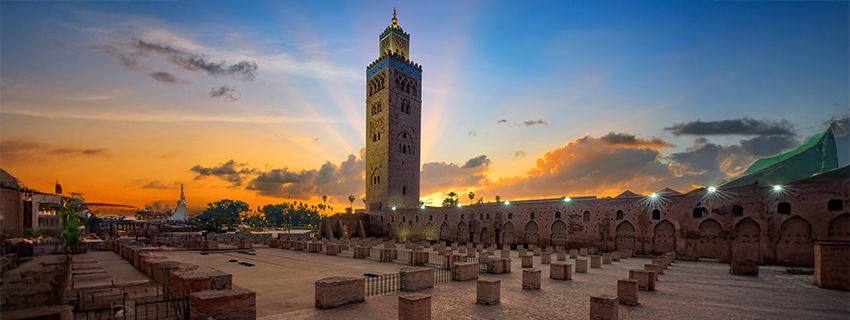
Start in the imperial cities, each with its own historic medina. Fez (Fes) el-Bali is Morocco’s oldest walled city, a living museum of narrow lanes, bustling souks and medieval architecture. Its medina is UNESCO-listed and one of the most extensive and best-preserved historic towns in the Arab-Muslim world. Marrakech, by contrast, combines opulent palaces and gardens with the riotous energy of Jamaa al-Fna square. Founded by the Almoravids in the 11th century, Marrakech was a central cultural hub with its Koutoubia Mosque, Saadian Tombs and Ben Youssef Madrasa remaining stunning monuments.
- Top royal cities: In Rabat and Meknes, you can stroll through imperial mausoleums and medinas. Casablanca impresses with its colossal Hassan II Mosque (the second-largest mosque in Africa). Vibrant Chefchaouen, the “Blue City” in the Rif Mountains, is ideal for photography and exploring its narrow blue lanes. Coastal Essaouira’s 18th-century fortified medina is another UNESCO site, famed for its whitewashed ramparts and Atlantic breezes.
- Cultural immersion: Shop at centuries-old souks (markets), drink mint tea in a riad courtyard, and savour Moroccan cuisine (tagine, couscous, pastilla) to experience local culture. Look out for handcrafted pottery, rugs and leather goods made in traditional workshops throughout the medinas.
Sahara Desert Adventure
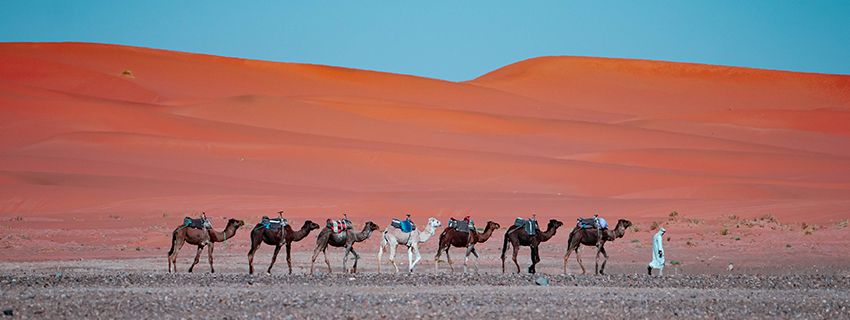
No Morocco itinerary is complete without the Sahara. Many tour itineraries (from Marrakech or Fez) drive deep into the desert, ending in the Merzouga dunes. Here you can ride camels into the dunes at sunset or sunrise – a quintessential experience. Camel riding is now “one of the most popular activities” for visitors to Erg Chebbi. Ride a caravan of camels to an overnight Berber camp, fall asleep under brilliant stars, and wake early to watch the sunrise light up the sand.
- Dune bashing: For adventure, try a 4×4 dune-bashing or quad-bike safari on the sands (available from desert lodges). It’s a high-speed ride over dunes and gravel plains – not far from where camels lead more gentle treks.
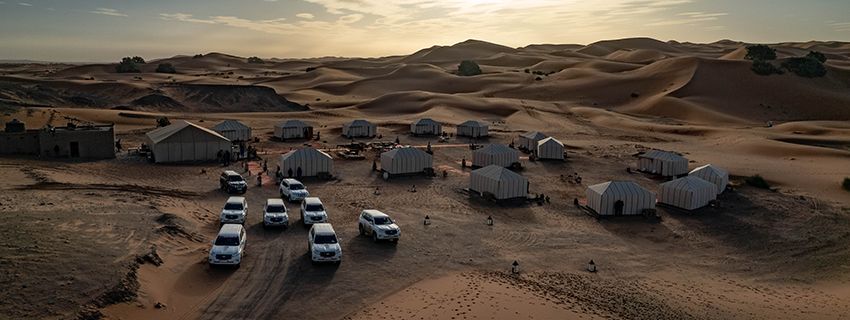
- Desert camping: Stay in a Saharan camp beneath towering dunes. There are simple nomad-style camps and luxury desert glamping options with Berber tents and campfires. Remote camping under the stars is an unforgettable way to experience the Sahara’s silence and starlight.
Atlas Mountains & Scenic Drives
Winds through the High Atlas form the backbone of any Morocco road trip. The Tizi n’Tichka pass (2,260 m) connects Marrakech to Ouarzazate and is the country’s highest paved road. The drive is spectacular: winding roads climb past Berber villages, juniper forests and red-rock ridges. “Most travellers’ first taste of the region is the Tizi n’Tichka…pass…an introduction that is hard to beat”. South of the pass lies Ouarzazate, gateway to the Sahara and the film studios.
- Kasbahs & Gorges: Continue east to Aït Benhaddou (a UNESCO ksar) and the Dades and Todra Gorges. The mud-brick Ksar of Aït Benhaddou is a striking example of southern Moroccan architecture.
- Driving these old caravan routes: the roads roll through crumbling mud-brick villages and past long ribbons of deep-green palmeries as they stretch out towards the Sahara.
- High Atlas hiking: Stop in mountain towns (Telouet, Taliouine, Imlil) for hikes or mule treks into scenic valleys, or simply enjoy panoramic views of snow-capped peaks. The mountain air and scenery provide a refreshing contrast to the desert.
Coastal Cities & Other Highlights
Blend city and coastal stops. In western Morocco, the Atlantic cities are charming: Essaouira’s white-walled medina hosts fresh seafood stalls and beachside bougainvillaea. The seaside town of Rabat has royal gardens and the Kasbah des Oudayas by the river. In the north, Tangier’s Kasbah Museum and cafes overlook the Strait of Gibraltar.
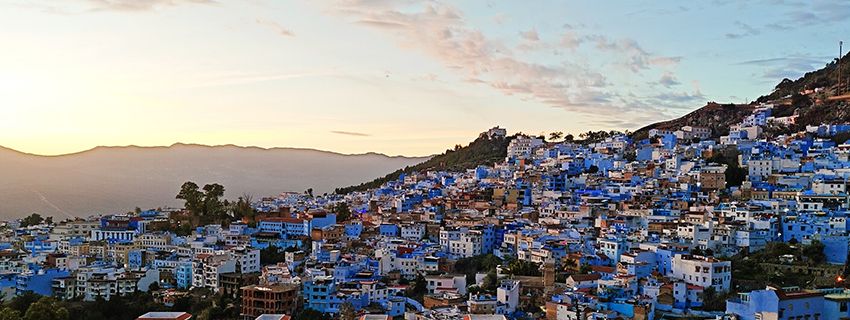
- Chefchaouen: In the foothills of the Rif Mountains, Chefchaouen is famed for its blue-painted alleys and relaxed vibe. Wander its steep lanes and enjoy mountain views – this is one of the “best places to visit” in Morocco for culture and photography.
- Coastal Drives: Along the Atlantic coast, stop at surf towns like Taghazout or historic Agadir for beaches and coastal cuisine. On the Atlantic-Mediterranean crossroads, Tetouan and Chefchaouen offer a taste of Andalusian-influenced architecture.
Throughout Morocco you’ll enjoy authentic cultural experiences like sample street food (spiced tea and fresh pastries), listen to live Gnawa or Andalusian music, and visit lively markets. Every city offers its own UNESCO or historic attractions – from Rabat’s Hassan Tower to Meknes’s royal stables. Planning a guided Morocco road trip package or a self-drive itinerary ensures you hit these highlights with expert insights.
Adventures Overland combines iconic stops into turnkey 9-10 day expeditions, but you can also piece together a self-drive “best of Morocco” route on your own.
Road Trip Tips & Practicalities
- Self-drive vs. guided: A self-drive in Morocco gives freedom, but roads (especially in the mountains or desert) can be challenging. Many travellers opt for a guided overland tour or a 4×4 rental witha driver to navigate rough tracks and local conditions. Expert guides from a Morocco road trip package handle logistics and 4×4 recovery, easing the adventure.
- Timing: The best times are winter (December–February) or fall (September–November) for mild weather. Summer can be extremely hot, especially in the Sahara, and winter nights get chilly in the desert and mountains.
- What to pack: Bring layered clothing, sturdy shoes, sun protection and a scarf for dust. A small local SIM and good maps/GPS are handy in remote areas.
- Distances: Morocco is larger than it seems: a trip from Fes to Marrakech takes about 8–9 hours by car (often broken up with stops). Plan 10+ days to avoid rushed travel if you want to see the top cities and deserts.
- Local culture: Moroccans are generally welcoming. Dress modestly (especially outside big cities) and learn a few Arabic or French phrases. Off the beaten path, expect limited English; a phrasebook goes a long way. Tipping drivers and guides is customary if they’ve provided good service.
Written by
Damini Sharma
Damini has travelled the world solo, sometimes for work, primarily for self‑discovery, and now she explores full‑time! She enjoys slow, mindful travel & immerses herself in any country she visits. Working for AO, she transforms itineraries into adventures and destinations into dreams. Having explored the UAE, Indonesia, the Northeast, the Andaman Islands, and beyond, Damini writes from lived experience—capturing the sights, sounds, and soul of each journey. Whether drafting court‑worthy briefs or breathtaking travel blogs, Damini crafts experiences that invite readers to step into memory, embrace wonder, and discover deeper human connections.