- What is the Best Time to Visit Cambodia?
- What Is the Best Time to Go to Cambodia from India?
- Cambodia Weather by Month
- January: Cool, Dry and Comfortable
- February: Pleasant Days and Cultural Experiences
- March: Rising Heat Around the Temples
- April: Khmer New Year and Serious Heat
- May: The Countryside Turns Green
- June: Lush Landscapes and Monsoon Showers
- July: A Greener Side of Cambodia
- August: Rainy, Green and Atmospheric
- September: The Wettest Stretch of the Year
- October: Adventures Overland’s Fixed Departure Season for Cambodia Overland
- November: Drier Roads and the Water Festival
- December: Comfortable Weather for Sightseeing
- Dry Season vs Rainy Season: Which One Should You Choose?
- The Soul of Cambodia: Festivals and Traditions
- What to Eat During Your Cambodia Trip?
- Fish Amok
- Lok Lak
- Kuy Teav
- Handmade Rice Paper
- Fresh Coconuts
- How to Reach Cambodia from India?
- Cambodia Visa Requirements for Indian Travellers
- Keeping in Touch Across Cambodia
- Permits, Driving Documents and Practical Requirements
- Practical Tips for Planning Your Cambodia Trip
- So, What Is Really the Best Time to Visit Cambodia?
You are scrolling through pictures of Angkor Wat at sunrise, half-dreaming about a Cambodia trip, and then it hits you: the classic traveller's dilemma. Go now? Wait for winter? What about that monsoon everyone keeps warning you about?
If you have ever sat with a half-packed bag and a browser full of open tabs trying to figure out when is the best time to visit Cambodia, then you are not alone. Cambodia genuinely changes personality with the seasons, from dry, golden months around the temples to a lush, green countryside during the rains.
For Indian travellers, cooler months are usually easiest for sightseeing, but adventurous types might chase a different season entirely. If you are eyeing a road-based journey instead of a typical temple hop, timing gets even more interesting.
The best time to go to Cambodia depends on what you're chasing: temples, festivals, quiet countryside, or an off-road expedition. This guide will help you to learn more about which months are best to visit Cambodia and will assist you in exploring the best places, cuisine, and festivals. Continue reading to learn more.
What is the Best Time to Visit Cambodia?
For most travellers, November to February is the easiest stretch for exploring Cambodia. The weather turns cooler and drier, which makes long days around Phnom Penh, Battambang and Siem Reap far more enjoyable. December and January, in particular, are lovely for wandering around Angkor Wat and Angkor Thom without melting in the heat.
According to a report by Cam Ness, “In 2025, Cambodia drew 5.5 million international visitors overall, and Indian travellers made up a modest slice of that number, just over 71,000 arrivals, or around 1.3% of total tourist footfall.
There isn't one single correct answer to the best time to go to Cambodia. April brings Khmer New Year and a buzzing cultural energy that's hard to replicate any other time of year, while the wetter months turn the countryside into a completely different, greener world.
If you are specially planning for a road trip then, Adventures Overland expedition, October is chosen on purpose. The journey covers roughly 1,000 km from Phnom Penh to Siem Reap, cutting through rural roads, river routes and off-road terrain the whole way.
What Is the Best Time to Go to Cambodia from India?
October to February is generally your most comfortable window for a classic Cambodia holiday, if you are flying in from India. Temperatures stay manageable, rainfall drops off, and you can actually plan your sightseeing without constantly checking the sky for incoming showers.
So if you are trying to nail down the best month to visit Cambodia from India, December and January are strong picks, especially if Angkor Wat is at the top of your list.
But the equation shifts if you are travelling with Adventures Overland. Our Cambodia Overland fixed departure runs in October, starting in Phnom Penh and wrapping up in Siem Reap. This timing brings greener countryside and more varied road conditions, which honestly just adds to the character of a self-drive expedition like this one. For more details you can check the whole Cambodia travel guide.
Cambodia Weather by Month
Cambodia generally experiences two main seasons, the dry and rainy seasons, with temperatures and rainfall varying as the year progresses. Looking at Cambodia weather by month, October to February is generally cooler and drier, March and April heat up considerably, and the rains take over from around May onward.
January: Cool, Dry and Comfortable
Cambodia in January feels like the sweet spot, as it has cool mornings, dry skies, and temperatures that let you actually enjoy long walks around Angkor Wat, Angkor Thom, and Bayon without wilting. Buddhist culture shows up everywhere too: quiet pagodas, everyday village rhythms, roadside fruit stalls. Honestly, this is the month locals and travellers both seem happiest exploring in.
February: Pleasant Days and Cultural Experiences
Still dry, still comfortable, but you will feel the heat inching up by afternoon. Cambodia in February is your window to hit Angkor Wat early before the sun gets serious. Meak Bochea draws crowds to pagodas across the country, adding real cultural texture. Quieter villages and countryside roads round out the experience nicely.
March: Rising Heat Around the Temples
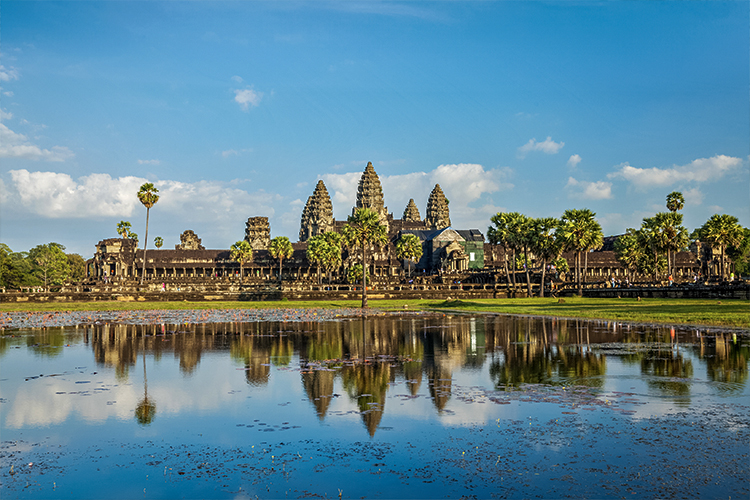
Things heat up fast this month, so mornings become your best friend. Angkor Wat, Angkor Thom and Bayon are still the stars, but March also brings something special: the equinox sunrise, when the sun lines up perfectly with the temple's towers. Afternoons call for slowing down, hydrating, and saving energy for evening exploration instead.
April: Khmer New Year and Serious Heat
April runs hot, genuinely hot, but it's also the most culturally alive month to be here. Khmer New Year fills streets with family gatherings, water festivities and temple visits. In Siem Reap, celebrations layer right on top of Angkor Wat sightseeing. Just plan for early starts, busier transport and shifting local business hours.
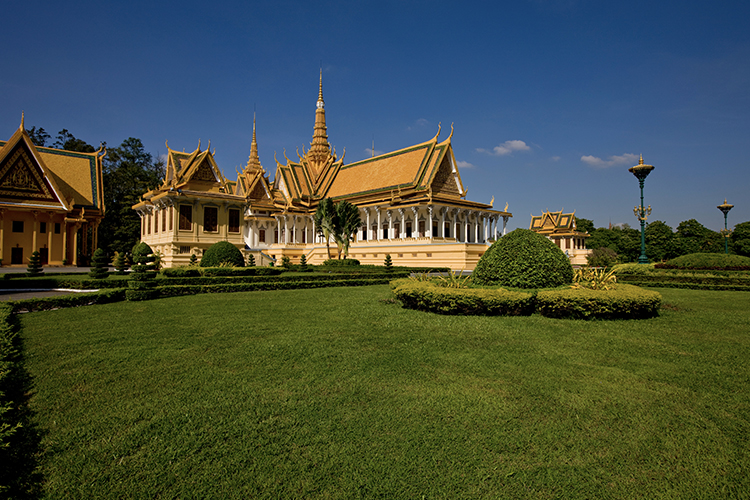
May: The Countryside Turns Green
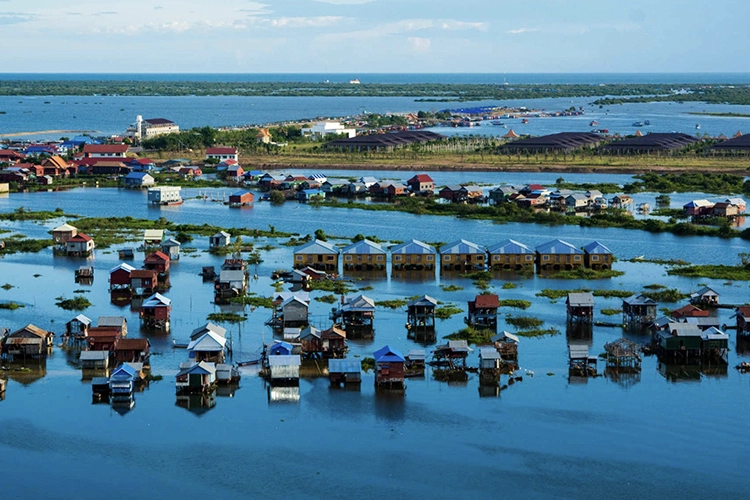
May flips the script, showers arrive, and the countryside starts turning a fresh, vivid green. Temples around Siem Reap stay accessible, though flexibility helps. Rice fields, villages and plantations look renewed under the rain. It's a quieter, more intimate month for soaking in everyday Cambodian culture, away from the busiest tourist crowds entirely.
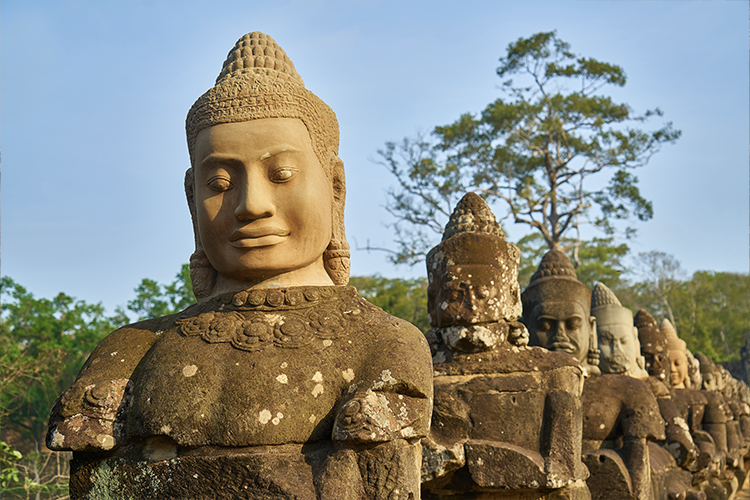
June: Lush Landscapes and Monsoon Showers
Regular rain doesn't mean staying indoors; June's countryside turns properly lush and atmospheric. Angkor Wat looks striking against greener backdrops, and village life carries on as usual with roadside snacks and fresh fruit. For road travellers, changing surfaces matter more here, making flexibility and good local support genuinely worthwhile.
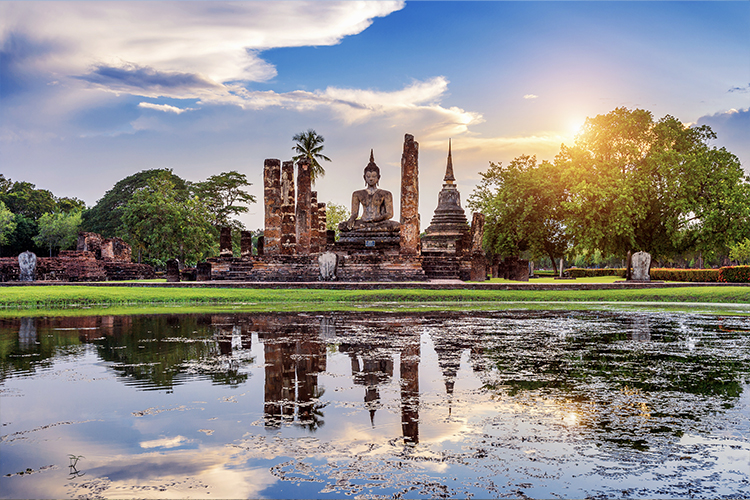
July: A Greener Side of Cambodia
The rainy season rolls on, painting rural roads, rice fields and plantations in vibrant green. Siem Reap's temples remain the highlight, but the landscape itself becomes part of the story. This month rewards slower travel, local food and quiet village watching, minus the peak-season crowds. Just pack proper rain protection and stay flexible.
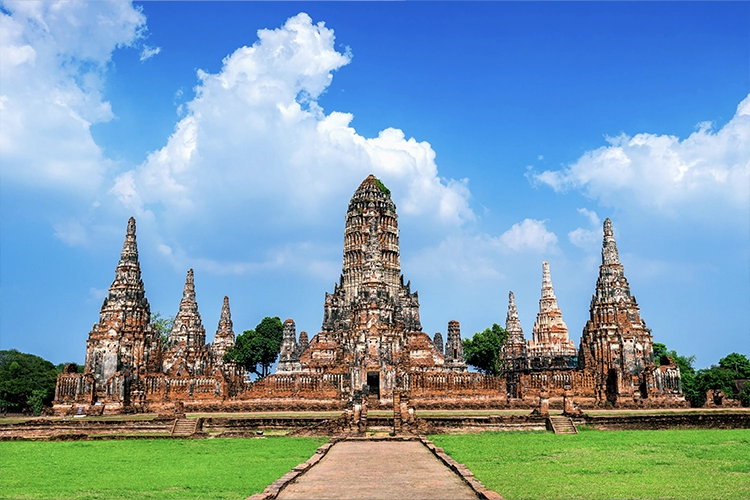
August: Rainy, Green and Atmospheric
Firmly wet season territory now, frequent showers, alive countryside, and temples like Angkor Wat, Angkor Thom and Bayon still delivering full cultural depth regardless of weather. This month suits travellers okay with flexible plans. A rain jacket and comfortable footwear go a long way, especially if you're venturing through rural areas.
September: The Wettest Stretch of the Year
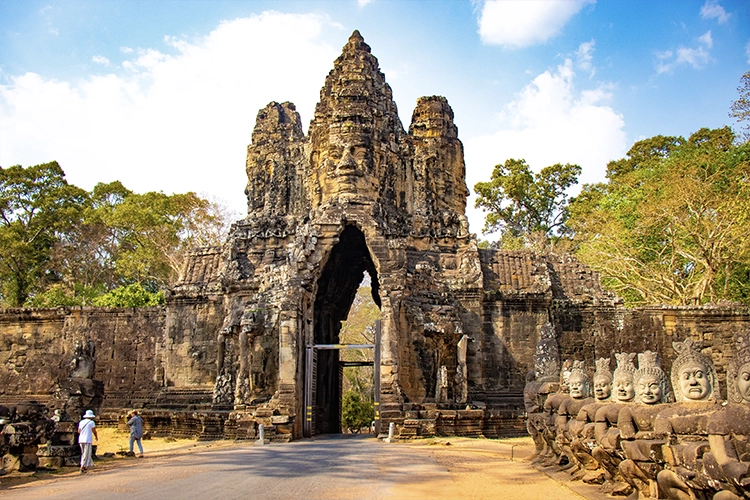
September usually brings the heaviest rainfall of the year, so flexibility is non-negotiable. But the payoff is real; rice fields and rural landscapes look exceptionally fresh and green. Siem Reap's ancient temples still draw crowds, even if wet surfaces slow things down. Road conditions deserve extra attention this month too.
October: Adventures Overland’s Fixed Departure Season for Cambodia Overland
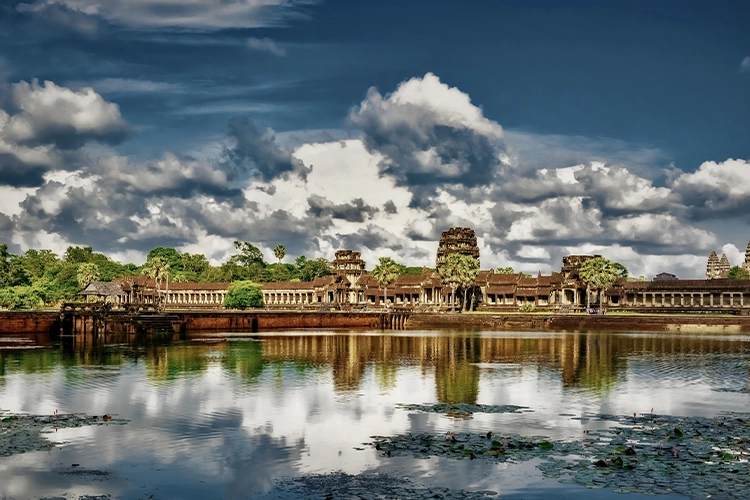
October is when the Adventures Overland’s Cambodia Overland journey comes alive, with our departure setting off for an unforgettable road adventure. The route moves from Phnom Penh through Kirirom National Park, Chi Phat and Thma Bang across the Cardamom Mountains, mixing river crossings, off-road trails and mud before continuing through Battambang toward Siem Reap.
November: Drier Roads and the Water Festival
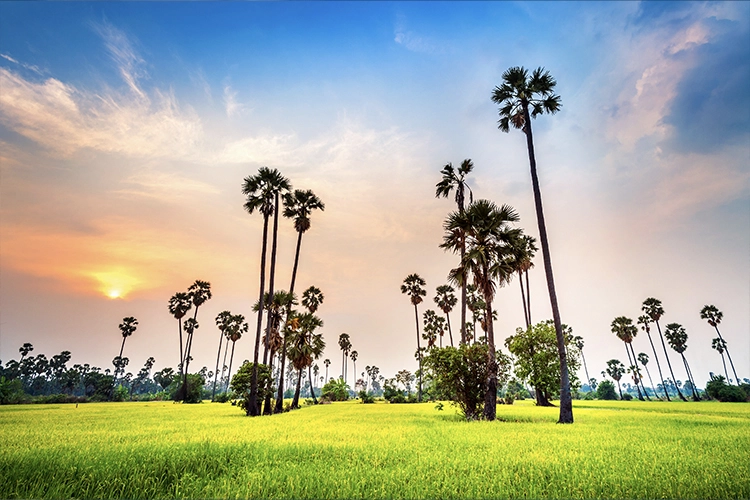
If you have ever gone to Cambodia in November, then you will observe that welcome shift toward cooler, drier travel days, with landscapes still green from recent rains. Culturally, it's huge too: Bon Om Touk, the Water Festival, brings boat races and celebrations across the country's waterways. Combine that with village visits and roadside food, just book ahead since it's popular.
December: Comfortable Weather for Sightseeing
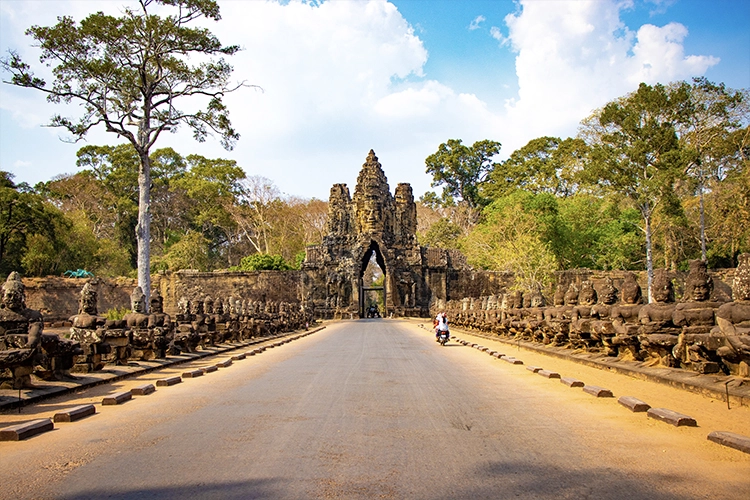
The most pleasant stretch all year might be Cambodia in December, because of the dry, cool weather and the ease of long days around Angkor Wat, Angkor Thom, and Bayon. Phnom Penh and Siem Reap get busy with visitors, while rural pockets stay peaceful. Local markets and restaurants make it effortless to soak in everyday Cambodian food and culture.
Dry Season vs Rainy Season: Which One Should You Choose?
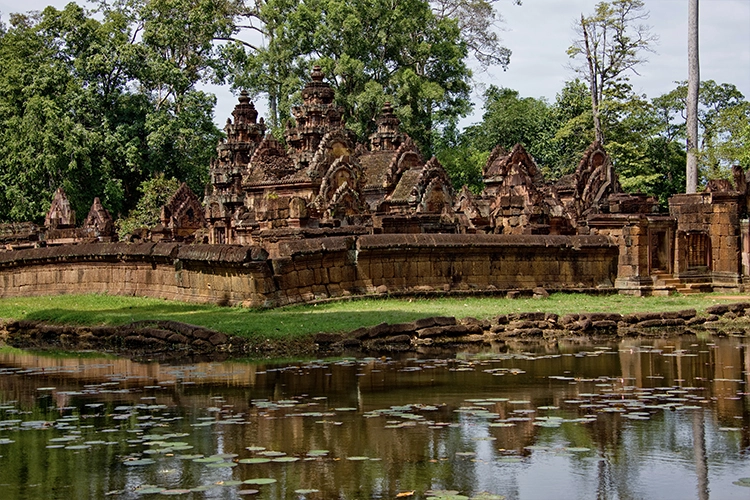
Choosing between Cambodia dry season travel and rainy season travel really comes down to the kind of experience you are after. The dry season, especially in October through February, is easier for long sightseeing days, temple visits, and standard road travel. December and January offer some of the most comfortable conditions overall, though they do bring more crowds along with them.
The Cambodia rainy season travel has its own charm. The countryside turns greener, the skies get more dramatic, and rural Cambodia feels particularly atmospheric. For road travellers, though, rainfall matters a lot more, since dirt tracks and off-road sections can change quite a bit.
For Adventures Overland's October expedition, this in-between transition is actually part of the appeal. The route deliberately moves past the conventional tourist roads and into the Cardamom Mountains, where river crossings and off-road terrain add a genuinely adventurous edge to the trip.
If you are planning for a road trip, then Adventures Overland's Cambodia Overland fixed departure takes place in the month of October, from Phnom Penh through Kirirom, Chi Phat, Thma Bang, Veal Veng and Battambang to Siem Reap, offering a genuinely adventurous way to see Cambodia. For more information you can check out the whole Cambodia travel guide, for better planning.
The Soul of Cambodia: Festivals and Traditions
Cambodian culture is deeply tied to Buddhism, family traditions, agriculture, and community celebration. April's Khmer New Year is one of the biggest cultural occasions in the country, bringing families together for temple visits, traditional rituals, games and playful water celebrations.
October ties into Pchum Ben, an important period for honouring ancestors and visiting pagodas. For travellers joining the Cambodia Overland expedition, the timing falls just after this significant cultural period.
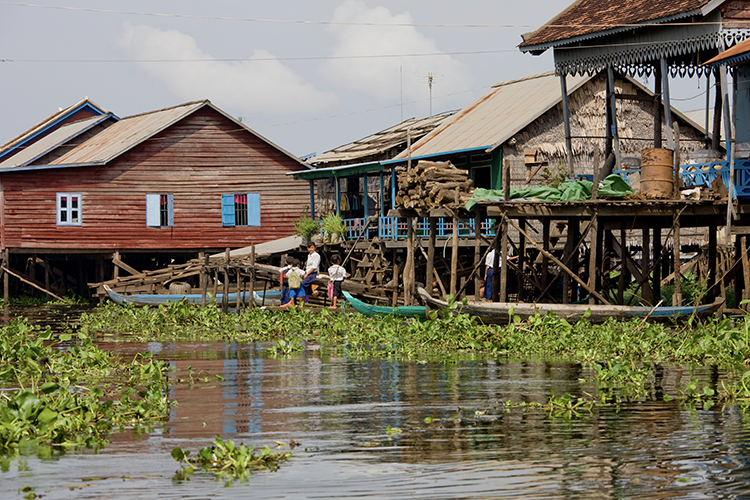
November brings the Water Festival, complete with boat races and celebrations centred around Cambodia's waterways. Beyond the official festivals, culture shows up naturally along the road too, through village homes, rice fields, local communities, handmade rice paper and small, unplanned interactions that end up becoming part of the journey.
What to Eat During Your Cambodia Trip?
Food is one of the easiest ways to connect with Cambodia, and you don't need to stay inside the tourist centres to taste it properly.
Fish Amok
Cambodia's signature curry, steamed in banana leaf, creamy, fragrant and impossible to skip.
Lok Lak
Stir-fried beef with a tangy lime pepper dip, simple, hearty and roadside famous.
Kuy Teav
A comforting noodle soup, perfect for early mornings before a long drive ahead.
Handmade Rice Paper
Watch local artisans make rice paper by hand, then sample it fresh along the Adventures Overland route.
Fresh Coconuts
Rural stretches mean roadside stops for coconuts straight off the tree, cool and refreshing.
In Phnom Penh, Battambang and Siem Reap, local restaurants and markets serve up authentic Cambodian dishes, while the expedition takes care of breakfasts, lunches and dinners throughout the journey.
After hours behind the wheel, even a simple meal shared with the convoy becomes one of those memories that stays with you long after the trip ends.
How to Reach Cambodia from India?
For most of the Indian travellers, the real adventure begins once they land, but for people who are crazy for travelling, Cambodia Overland is a road trip at heart, and Phnom Penh is where the journey truly kicks off. If you are joining the Adventures Overland’s Cambodia fixed departure then, plan your travel around Phnom Penh, since that's exactly where the fixed departure sets you on the road.
Day one is kept intentionally relaxed, with airport transfer, hotel check-in, a chance to meet fellow travellers and the AO team, followed by a welcome dinner. The expedition itself kicked off the next day, covering roughly 125 km from Phnom Penh towards Kirirom National Park before heading deeper into rural Cambodia.
Cambodia Visa Requirements for Indian Travellers
Getting your paperwork sorted is simple if you know what to check off. Here's what Indian travellers need before hitting the road:
- Tourist Visa: Indian passport holders need a valid Cambodian Tourist Visa, available through Cambodia's e-Visa system for eligible travellers.
- Passport Checks: Confirm passport validity, photograph requirements and other entry details well before departure.
- e-Arrival Formalities: Complete Cambodia's required e-Arrival process within the permitted pre-arrival window.
- Visa Assistance: Adventures Overland includes visa assistance as part of the Cambodia Overland expedition, making the process much easier.
- Double-Check Rules: Immigration and entry requirements can change, so verify the latest government guidelines yourself before you leave.
- Document Backup: Keep your passport, visa documents, flight details and travel insurance saved both digitally and offline, just in case.
Keeping in Touch Across Cambodia
Connectivity is generally reliable in Phnom Penh, Battambang and Siem Reap, though it becomes a little less predictable once you are out in the remote stretches. This becomes especially relevant on Cambodia Overland, since the route cuts through the Cardamom Mountains, Chi Phat and rural countryside rather than sticking to the major roads.
The expedition provides radio handsets in every vehicle, so the convoy can stay connected even while driving through the more remote sections. Even so, a fully charged phone, a power bank, offline maps and saved copies of your travel documents are still sensible things to pack.
Permits, Driving Documents and Practical Requirements
For the Cambodia Overland self-drive expedition, it's worth paying close attention to your driving documentation.
- An International Driving Permit is listed under the exclusions, so participants need to arrange this on their own where required.
- The expedition includes the automatic vintage self-drive jeep, vehicle insurance, fuel, road tolls, ferry crossings and parking fees.
- A support vehicle with a mechanic team and spare tools travels alongside the convoy, while radio handsets keep communication flowing between vehicles.
- The itinerary also covers the ferry crossing to Chi Phat and entrance fees for the listed attractions and national park experiences.
- A refundable vehicle security deposit, medical and travel insurance, and the visa fee are excluded.
Practical Tips for Planning Your Cambodia Trip
- Start temple sightseeing early, especially during the hotter months.
- Carry lightweight, breathable clothing for Cambodia's warm climate.
- Pack a light rain jacket if you are travelling during the wet season.
- Keep sunscreen, sunglasses, insect repellent, and a refillable water bottle handy.
- Carry a power bank and download important maps for offline use.
- Dress respectfully when visiting temples and Buddhist sites.
- Keep digital and offline copies of your passport and visa documents.
- Allow extra flexibility for rural road travel during the rainy periods.
- Arrange your International Driving Permit independently if it's required for the self-drive expedition.
- Carry suitable footwear for temple walks, village visits and off-road sections.
- Book accommodation and flights early for the popular October to February period.
- If joining Cambodia Overland, arrive in Phnom Penh in time for the Day 1 transfer and welcome briefing.
So, What Is Really the Best Time to Visit Cambodia?
Honestly, there's no single "best" month for visiting Cambodia; it depends on whether you want comfort or a story worth telling. October to February gives you the easiest sightseeing, cool mornings, and dry roads to Angkor Wat. April hands you Khmer New Year's energy. The rains bring a quieter, greener Cambodia few tourists ever see.
But if you want more than a checklist of temples, October is where the real story begins. Imagine- a restored vintage jeep, dust and river water on the windscreen, and Cambodia unfolding in front of you one unpaved road at a time. That's exactly what Adventures Overland builds: a fixed departure from Phnom Penh through Kirirom, Chi Phat and the Cardamom Mountains, all the way to Angkor.
What makes it work is the support behind it. You will drive restored vintage war jeeps once used in the Vietnam War, built for terrain like this. With over 5,000 travellers guided across 50+ countries, a mechanic-backed support vehicle, a radio-connected convoy, and visa assistance, the logistics quietly disappear. You just focus on the drive, through Rovieng Temple, Prasat Banteay Ampil and finally, Angkor Wat.
Ready to trade a regular holiday for an actual road trip? Get in touch with Adventures Overland and reserve your seat for October 2026.
Frequently Asked Questions
Written by
Riya Chauhan
Senior Content Writer
Riya is a content writer and marketing enthusiast with 4+ years of experience turning research, trends and ideas into engaging digital stories. With a background in Marketing Management and International Business, she blends SEO, creative storytelling and audience insights across lifestyle, travel, business and brand content. She has created content for brands including Glen India, Jamboree India, Zupee, Trimurti Products, Little Rituals, Bennett University, and Manipal university. A curious traveller at heart, she loves discovering new places, cultures and experiences, and finding the story in each one.