- 1. Iceland’s Volcanoes Are Alive and Kicking—Literally
- 2. Glaciers Cover 11% of the Country—and You Can Hike Inside Them
- 3. You Can Snorkel Between Continents at Silfra
- 4. Geothermal Greenhouses Make Icelandic Tomatoes Taste Like Sunshine
- 5. Puffins, Arctic Foxes, and Icelandic Horses—Oh My!
- 6. Reykjavík Is Powered by Nature—and Feels Like a Cozy Sci-Fi City
Iceland isn’t just a country—it’s a living, breathing geological masterpiece. From fire-breathing volcanoes to ice-capped glaciers, geothermal farms to crystal-clear fissures you can snorkel through, this Nordic island is a playground for nature lovers and adventure seekers alike. If you’re exploring the Golden Circle, Vik, Húsafell, Hóla, or Reykjavík, here are six jaw-dropping facts that will make you fall even harder for Iceland.
1. Iceland’s Volcanoes Are Alive and Kicking—Literally
Iceland sits atop the Mid-Atlantic Ridge, where the Eurasian and North American tectonic plates are slowly pulling apart. This means the country is constantly reshaping itself through volcanic activity. One of the most famous volcanoes near the Golden Circle is Hekla, ominously nicknamed the “Gateway to Hell” in medieval times. It’s erupted more than 20 times since 874 AD, and its unpredictable nature keeps scientists on their toes.
In 2021, Fagradalsfjall near Reykjavík erupted after being dormant for 6,000 years, drawing thousands of visitors who hiked to witness lava flows in real time. Icelanders don’t just live with volcanoes—they celebrate them.
2. Glaciers Cover 11% of the Country—and You Can Hike Inside Them
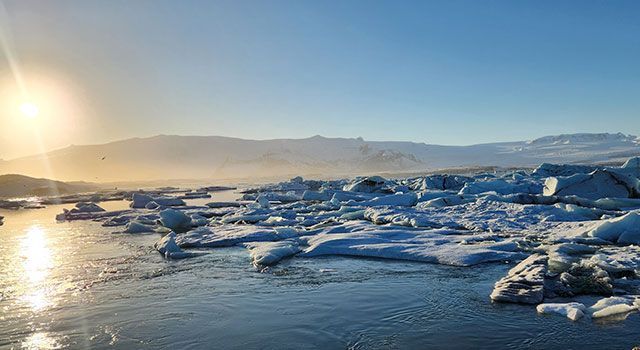
Iceland’s glaciers are more than just icy giants—they’re time capsules. Langjökull, the second-largest glacier in Iceland, is accessible from Húsafell and offers a surreal experience: you can actually walk inside it. The “Into the Glacier” tour takes you through man-made ice tunnels deep within the glacier’s heart, where the walls glow blue and silence feels sacred.
Nearby, the Snæfellsjökull glacier (visible from Hóla on clear days) inspired Jules Verne’s Journey to the Center of the Earth. It’s not just a glacier—it’s literary legend.
3. You Can Snorkel Between Continents at Silfra
Yes, you read that right. In Þingvellir National Park, part of the Golden Circle, lies Silfra—a glacial fissure filled with crystal-clear water that’s filtered through lava rock for decades before surfacing. What makes Silfra extraordinary is that it sits between the North American and Eurasian tectonic plates.
Snorkeling or scuba diving here means you’re literally floating between continents. The water is so clear you can see over 100 meters ahead, and the sensation of drifting through a geological rift is otherworldly.
4. Geothermal Greenhouses Make Icelandic Tomatoes Taste Like Sunshine
Despite its chilly climate, Iceland grows some of the freshest produce in Europe—thanks to geothermal energy. In Hveragerði, just outside the Golden Circle, greenhouse farms harness underground heat to grow tomatoes, cucumbers, and even bananas.
The Friðheimar greenhouse is a must-visit. Here, tomato vines stretch toward the ceiling under warm lights powered by geothermal steam. You can sip tomato soup surrounded by plants, and even try tomato beer. Iceland’s greenhouses are a testament to innovation meeting nature.
5. Puffins, Arctic Foxes, and Icelandic Horses—Oh My!
Iceland’s native wildlife is as unique as its landscapes. In Vik, the black sand beaches and towering cliffs are prime puffin territory. These adorable birds nest in burrows and flap their way across the Atlantic with clown-like charm.
In the highlands near Húsafell and Hóla, you might spot an Arctic fox—the only native land mammal in Iceland. They change color with the seasons, blending into snow or mossy terrain.
And let’s not forget the Icelandic horse. Smaller than most breeds but incredibly hardy, these horses have a unique gait called the tölt and are deeply woven into Icelandic culture. You’ll see them grazing peacefully across all five regions.
6. Reykjavík Is Powered by Nature—and Feels Like a Cozy Sci-Fi City
Iceland’s capital is a marvel of sustainability. Nearly all homes in Reykjavík are heated by geothermal energy, and the city’s hot water comes straight from the ground. You can soak in the famous Blue Lagoon (just outside the city) or visit local pools like Laugardalslaug, where hot tubs are a way of life.
Despite its futuristic energy systems, Reykjavík feels warm and intimate. Colorful houses, street art, and cozy cafés make it a perfect base for exploring the wild beauty beyond.
Whether you’re chasing waterfalls in the Golden Circle, hiking glaciers in Húsafell, or puffin-spotting in Vik, Iceland offers a blend of science, magic, and raw natural power. It’s not just a destination—it’s a revelation.
Written by