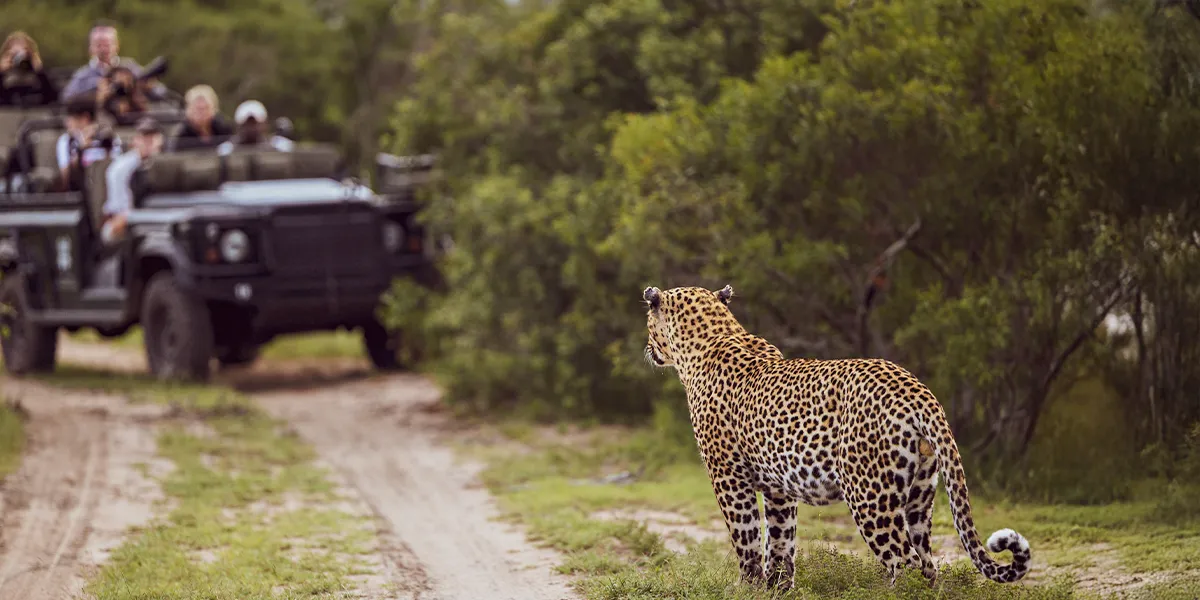
- Jungle Safari Etiquette: What Every Responsible Traveller Should Know
- The Dos of Ethical Wildlife Travel
- Do Choose Your Experience Thoughtfully
- Do Keep Your Distance
- Do Follow the Guide and Park Rules
- Do Keep the Noise Down
- Do Photograph Responsibly
- Do Support the Local Communities
- The Don'ts of an Ethical Wildlife Safari
- Don't Feed Wild Animals
- Don't Touch or Chase Animals
- Don't Wander Off the Designated Route
- Don't Treat Wildlife as a Thrill Ride
- Don't Assume Every Encounter is Automatically Ethical
- When is the Best Time to Go?
- What Should You Actually Pack?
- What Types of Wildlife Safaris Are Out There?
- Taking Wildlife Beyond the Usual Safari
- How Do You Pick a Genuinely Responsible Experience?
- Experience Wildlife, Responsibly
Let's be honest, a wildlife safari is about so much more than ticking off a tiger, lion or elephant sighting on your list. The real safaris experience are the ones where you get to watch animals doing their own thing, undisturbed, in the landscapes they actually live.
According to a report by the World Wildlife Research, "The global wildlife tourism industry stood at USD 190.7 billion in 2025, and it's not slowing down. It will climb to USD 205.7 billion in 2026, with growth continuing all the way to USD 380.9 billion by 2033.”
Whether you're chasing the best Wildlife Safaris in India or dreaming up an international wildlife trip, ethical travel really comes down to three things: respecting the animals, following local rules, and choosing experiences that put conservation first.
There are some Dos and Don’ts that we need to follow while traveling and experiencing the wildlife safaris. Let’s continue reading this informative blog to know more about them.
Jungle Safari Etiquette: What Every Responsible Traveller Should Know
Honestly, the magic of a jungle safari lies in not knowing. A rustle in the grass, a distant call echoing through the trees, an animal appearing between the branches for just a second before vanishing again. That element of surprise is exactly why how we behave out there matters so much.
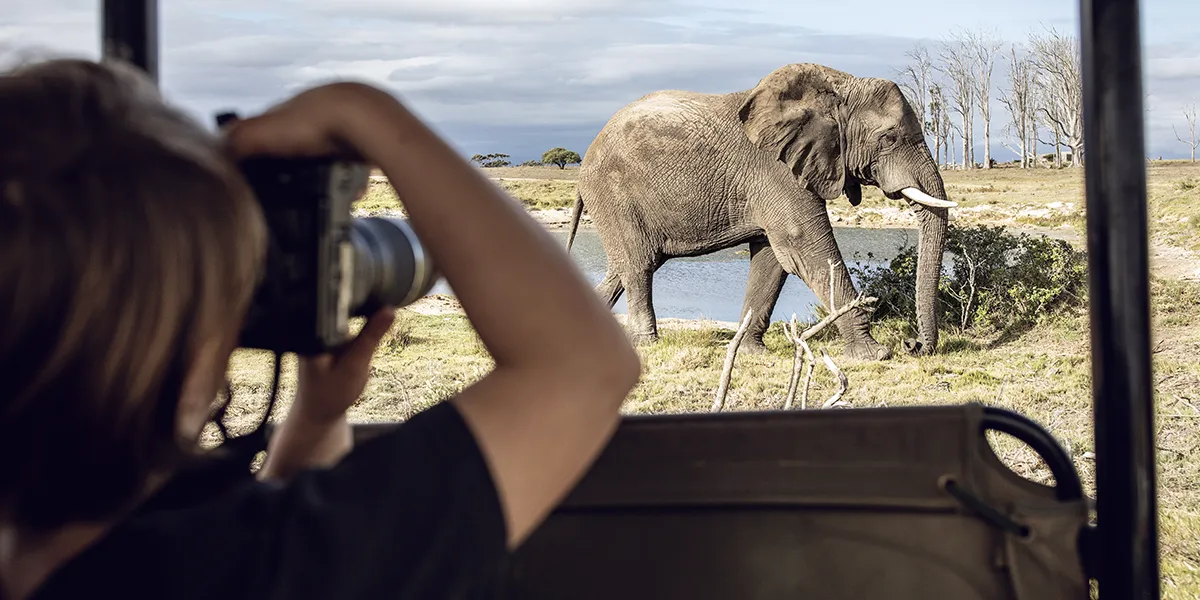
The Dos of Ethical Wildlife Travel
Do Choose Your Experience Thoughtfully
Research operators behind popular wildlife safaris carefully; a genuine jungle safari tour prioritises animal welfare over guaranteed sightings and marketing.
Do Keep Your Distance
Never approach animals for photos. Stay in your vehicle, follow guide instructions, and let sightings happen naturally without forcing interaction.
Do Follow the Guide and Park Rules
Respect routes, speed limits and viewing rules, especially across the best wildlife reserves in India, where each reserve has unique protocols.
Do Keep the Noise Down
Avoid loud chatter or engine noise. A quieter wildlife safari helps you notice subtle details like bird calls and distant movement.
Do Photograph Responsibly
On any wild tiger safari or jungle safari, never disturb animals for a shot. The best photos capture truly natural behaviour.
Do Support the Local Communities
Choose operators valuing local participation. A meaningful safari connects travellers with both landscapes and communities, not just tourist attractions.
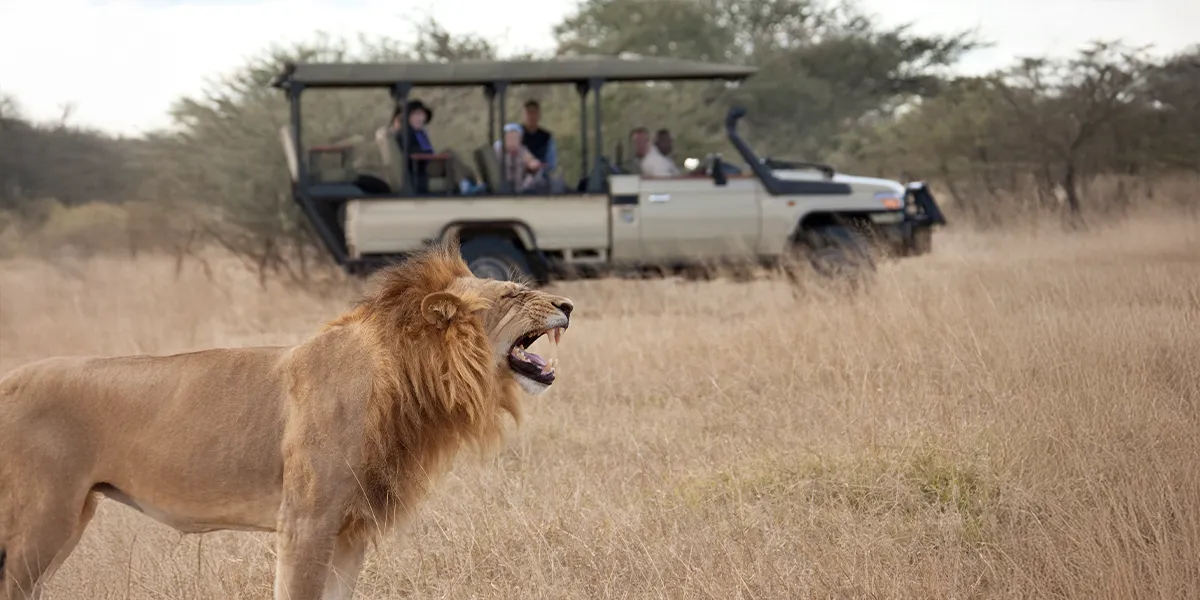
The Don'ts of an Ethical Wildlife Safari
Don't Feed Wild Animals
Feeding wildlife disrupts natural behaviour and creates risk. On any best forest safari in India, let animals find food naturally instead.
Don't Touch or Chase Animals
An animal near your vehicle isn't an invitation to interact. Give it space and let encounters end naturally, on its terms.
Don't Wander Off the Designated Route
Straying off-path damages vegetation and habitats, placing you unsafely close to wildlife. No unexpected sighting is worth that environmental cost.
Don't Treat Wildlife as a Thrill Ride
Chasing the most dangerous jungle safari in India misses the point. A true jungle safari park rewards natural behaviour, not manufactured drama.
Don't Assume Every Encounter is Automatically Ethical
Thrilling encounters can still raise welfare concerns. Research treatment and interaction practices before comparing the best safari places in India.
When is the Best Time to Go?
The best time to visit safari in India really depends on which destination, park rules, seasonal conditions and experience you're after. It's worth checking the official information for the specific park you're planning to visit.
The same logic applies internationally too. AO Experiences points out that safari planning is really about picking the right destination and season, and they also recommend booking your jungle safari trip well in advance since parks often have limited slots.
What Should You Actually Pack?
Your safari packing list should be all about comfort, observation and responsible travel, not loading up on unnecessary gear. Here's what's genuinely worth carrying:
- Comfortable, weather-appropriate clothing
- Sturdy walking shoes for anywhere walking is allowed
- Sun protection
- Personal medication and essentials
- Binoculars or a camera with a decent zoom
- A reusable water bottle, where it's permitted
- ID and any required travel documents
Always double-check the destination's specific rules before you pack, since some protected areas restrict certain items or activities.
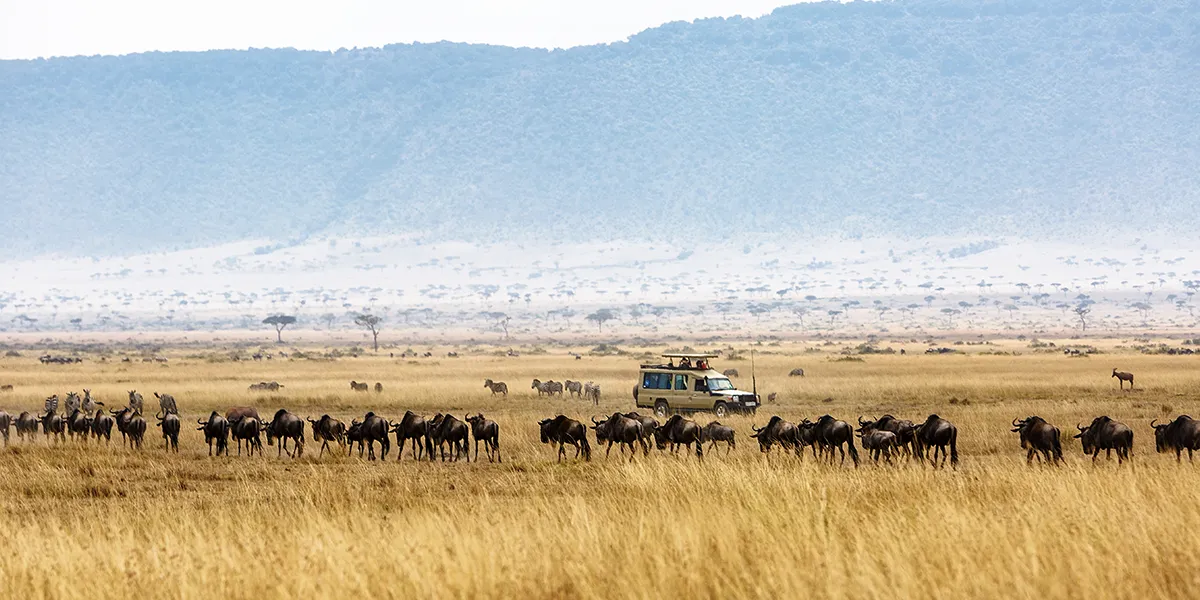
What Types of Wildlife Safaris Are Out There?
A safari doesn't always mean sitting in a jeep for hours. Depending on where you go and the local regulations, wildlife experiences can take quite a few different forms. Jeep safaris use 4x4 vehicles to explore parks and reserves. Walking safaris get you much closer to the environment, guided by trained rangers the whole way. Boat safaris let you spot wildlife from the water, while night safaris are all about the animals that come alive after dark.
AO Experiences lists all four as genuine types of wildlife safari experiences worth trying. This is exactly why a jungle safari trip can feel completely different depending on where in the world you take it, and it's also why so many people search for a top 10 safari in India list before deciding where to start, or look up a famous jungle safari in India to build their itinerary around.
Taking Wildlife Beyond the Usual Safari
For travellers who want wildlife woven into a bigger road journey, Adventures Overland brings the safari experience into a self-drive expedition through South Africa's Garden Route.
The South Africa Drive is a 9 Nights / 10 Days self-drive road trip covering 1,160 kilometres across four terrains: mountain, highway, coastal and vineyard. Its Signature Activities include a proper Game Drive, alongside shark cage diving, an ostrich farm visit and a cable car ride.
And the wildlife doesn't stop at the game drive either. The official itinerary features the Garden Route Game Lodge, while Adventures Overland's South Africa page talks about spotting the Big 5, exploring Oudtshoorn's ostrich farms, and meeting elephants at Knysna Elephant Park.
The journey ties wildlife into the road itself, moving from Cape Town through Stellenbosch and Hermanus to Garden Route Game Lodge, Knysna and Port Elizabeth. The vehicle for the trip is the Toyota Fortuner, running a 2.8L turbo-diesel engine with 204 bhp.
It's a nice reminder that a wildlife safari in India comparison isn't the only frame of reference out there. A personalised trip can bring landscapes, wildlife and outdoor adventure together in one thoughtfully planned journey.
How Do You Pick a Genuinely Responsible Experience?
Honestly, it comes down to asking a few simple questions before you book anything:
AO Experiences specifically highlights local expertise, custom packages, trained naturalists, safety, respect for wildlife and the environment, local community engagement and expert-guided itineraries as the pillars of our approach. We have worked with clients from more than 30 countries.
Experience Wildlife, Responsibly
The best wildlife safari isn't about the closest encounter; it's about one that happens on the animal's own terms. For road-trip lovers, Adventures Overland's South Africa Drive blends self-drive freedom with the scenic Garden Route and a dedicated game drive, covering 9 Nights/10 Days, 1,160 kilometres, four terrains and Big 5 highlights.
For a more personal journey, AO Experiences crafts wildlife travel around safety, respect and expert guidance, because when respect leads, every encounter means more.
Frequently Asked Questions
Written by
Riya Chauhan
Senior Content Writer
Riya is a content writer and marketing enthusiast with 4+ years of experience turning research, trends and ideas into engaging digital stories. With a background in Marketing Management and International Business, she blends SEO, creative storytelling and audience insights across lifestyle, travel, business and brand content. She has created content for brands including Glen India, Jamboree India, Zupee, Trimurti Products, Little Rituals, Bennett University, and Manipal university. A curious traveller at heart, she loves discovering new places, cultures and experiences, and finding the story in each one.